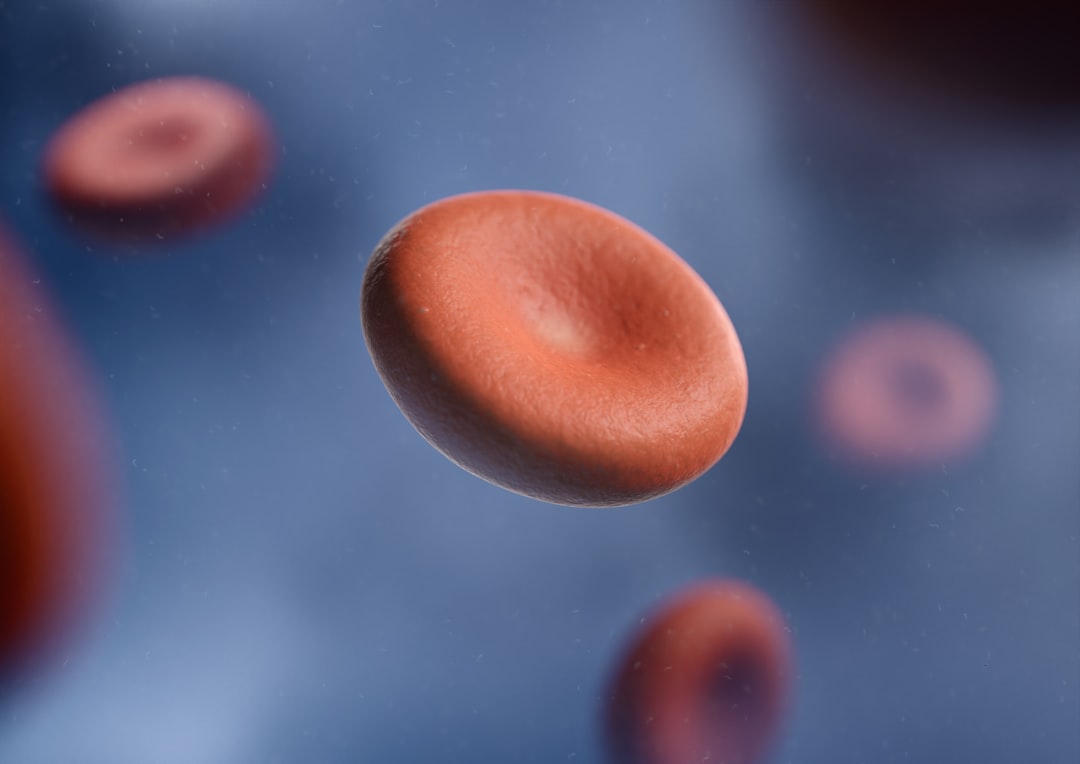
Have you ever wondered if your blood type dictates who you are? In many parts of the world, particularly in East Asia, the idea that your blood type influences your personality is a widely discussed and often believed concept. It’s a fun conversation starter at parties and even a factor some consider in relationships or hiring decisions. But is there any truth to it, or is it just a fascinating cultural phenomenon? Let’s explore the intriguing connection between blood types and personality! 😊
The Enduring Popularity of Blood Type Personality Theories 🤔
The notion of blood type personality, known as “ketsuekigata” in Japan, gained significant traction in the 1970s through the works of Masahiko Nomi and his son Toshitaka Nomi. Their books popularized the idea that each ABO blood type (A, B, O, AB) corresponds to distinct personality traits. This concept has since permeated popular culture, influencing everything from dating guides to marketing strategies in countries like Japan and South Korea.
It’s a captivating idea, isn’t it? The simplicity of categorizing complex human personalities into just four groups makes it easy to grasp and discuss. People often find aspects of their own personality, or those of their friends and family, reflected in these descriptions, which further fuels the belief. It’s a classic example of how confirmation bias can reinforce a popular theory.
In some cultures, knowing someone’s blood type is almost as common as knowing their zodiac sign, and it’s often used to make lighthearted judgments or predictions about their character!
What Each Blood Type is Popularly Said to Represent 📊
Let’s dive into the commonly associated personality traits for each blood type, as widely believed in popular culture. Remember, these are cultural stereotypes and not scientifically proven facts.
Common Blood Type Personality Traits
| Blood Type | Perceived Traits | Common Stereotypes |
|---|---|---|
| Type A | Organized, cautious, responsible, sensitive, reserved, perfectionist. | Often seen as introverted or overly anxious. |
| Type B | Creative, passionate, strong-willed, independent, curious, free-spirited. | Sometimes labeled as selfish or eccentric. |
| Type O | Confident, outgoing, ambitious, natural leaders, resilient, sociable. | Can be perceived as arrogant or overly dramatic. |
| Type AB | Rational, adaptable, diplomatic, enigmatic, artistic, unique. | Often seen as unpredictable or two-faced due to mixed traits. |
While these descriptions can be entertaining, relying solely on blood type for understanding personality can lead to overgeneralizations and even discrimination. True personality is far more complex and influenced by countless factors.
Key Checkpoints: What to Remember About Blood Type Personalities! 📌
So, you’ve made it this far! With all this information, it’s easy to get lost. Let’s quickly recap the most crucial takeaways. Just remember these three points:
-
✅
Cultural Phenomenon, Not Scientific Fact
Blood type personality theories are deeply ingrained in certain cultures but lack scientific backing. -
✅
Beware of Stereotyping
Over-reliance on these theories can lead to harmful generalizations and prejudice. -
✅
Personality is Complex
Human personality is shaped by a myriad of factors, including genetics, environment, and life experiences, far beyond a simple blood type.
The Scientific Perspective: Is There Any Truth? 👩💼👨💻
Despite the widespread belief and cultural acceptance, scientific research has consistently found no credible evidence to support a link between ABO blood types and personality traits. Blood types are determined by antigens on the surface of red blood cells, which play a crucial role in immunology and blood transfusions, not in psychological development.
Psychologists and geneticists generally agree that personality is a complex interplay of genetic predispositions, environmental factors, upbringing, and life experiences. Attributing personality solely to blood type is akin to astrology – a fun diversion, but not a scientific explanation for human behavior.
While blood type can influence certain health aspects, such as susceptibility to some diseases or dietary considerations (though the “blood type diet” is also largely unproven), there is no established biological mechanism linking it to personality.
Navigating Blood Type Personality in Social Settings 📚
So, how should you approach blood type personality theories, especially if you encounter them in social or professional settings? It’s all about perspective and understanding cultural nuances. While it’s important to recognize the lack of scientific basis, you can still engage with the topic in a lighthearted and respectful manner.
Scenario: A New Acquaintance Asks Your Blood Type
- Information 1: They might be genuinely curious or using it as a cultural icebreaker.
- Information 2: They might then try to guess your personality based on their blood type knowledge.
Recommended Approach
1) Respond politely: Share your blood type if you’re comfortable. There’s no harm in it.
2) Engage playfully: If they offer a personality assessment, you can respond with humor or acknowledge the cultural aspect without necessarily agreeing. For example, “Oh, that’s what they say about Type A, isn’t it?”
3) Shift focus: Gently steer the conversation towards actual shared interests or experiences to get to know them better on a deeper level.
Final Result
– Result Item 1: You maintain a friendly interaction and respect cultural norms.
– Result Item 2: You avoid endorsing pseudoscience while still being sociable.
Understanding that these theories are a form of cultural shorthand can help you navigate social interactions with grace. It’s about appreciating diverse perspectives while remaining grounded in scientific understanding.

Conclusion: Embracing Complexity Over Simplification 📝
While the idea of blood type personality is a fascinating cultural phenomenon that offers a simple framework for understanding ourselves and others, it’s crucial to remember its lack of scientific foundation. Human personality is a rich tapestry woven from countless threads of genetics, environment, and personal experiences. Reducing it to a single biological factor like blood type oversimplifies the incredible complexity of who we are.
So, the next time someone asks your blood type and tries to guess your personality, feel free to play along, but also remember the vast, intricate world of individual differences that truly define us. What are your thoughts on blood type personalities? Share your experiences in the comments below! 😊