Have you ever been asked your blood type, not for a medical reason, but to understand your personality? In many parts of the world, particularly East Asia, the idea that your blood type dictates your character traits and even compatibility with others is a widespread belief. It’s a fun conversation starter, a topic for matchmaking, and even influences pop culture. But how much truth is there to it? Let’s dive into this intriguing topic and separate the myths from the scientific facts! 😊
The Cultural Phenomenon of Blood Type Personalities 🤔
The concept of blood type personality, known as “ketsueki-gata” in Japan, suggests that individuals with different ABO blood types possess distinct personality traits. This belief gained significant traction in Japan in the 1970s through publications by Masahiko Nomi, though its origins trace back to earlier theories in the 1910s and 1920s. It’s similar to how astrology is used in Western cultures, offering a lighthearted way to discuss human behavior and relationships.
According to popular belief, each blood type is associated with specific characteristics:
- Type A: Often seen as conscientious, responsible, detail-oriented, and sometimes anxious or reserved.
- Type B: Regarded as creative, passionate, individualistic, but potentially selfish or unpredictable.
- Type AB: Considered complex, adaptable, intellectual, and a mix of A and B traits, sometimes perceived as mysterious or aloof.
- Type O: Believed to be confident, outgoing, natural leaders, and strong-willed.
This cultural phenomenon has permeated various aspects of daily life in some East Asian countries, influencing dating, workplace dynamics, and even consumer products. It’s common to be asked your blood type as a conversation starter, much like asking for a zodiac sign.
While widely popular, the scientific community largely dismisses blood type personality theories as pseudoscience due to a lack of empirical evidence or testable criteria.
The Scientific Reality of Blood Types 📊
Beyond cultural beliefs, blood types play a critical role in medicine, particularly in blood transfusions and organ transplants. The ABO blood group system, discovered by Austrian immunologist Karl Landsteiner in 1901, is the most important of the 48 different blood type classification systems recognized by the International Society of Blood Transfusions (ISBT) as of June 2025.
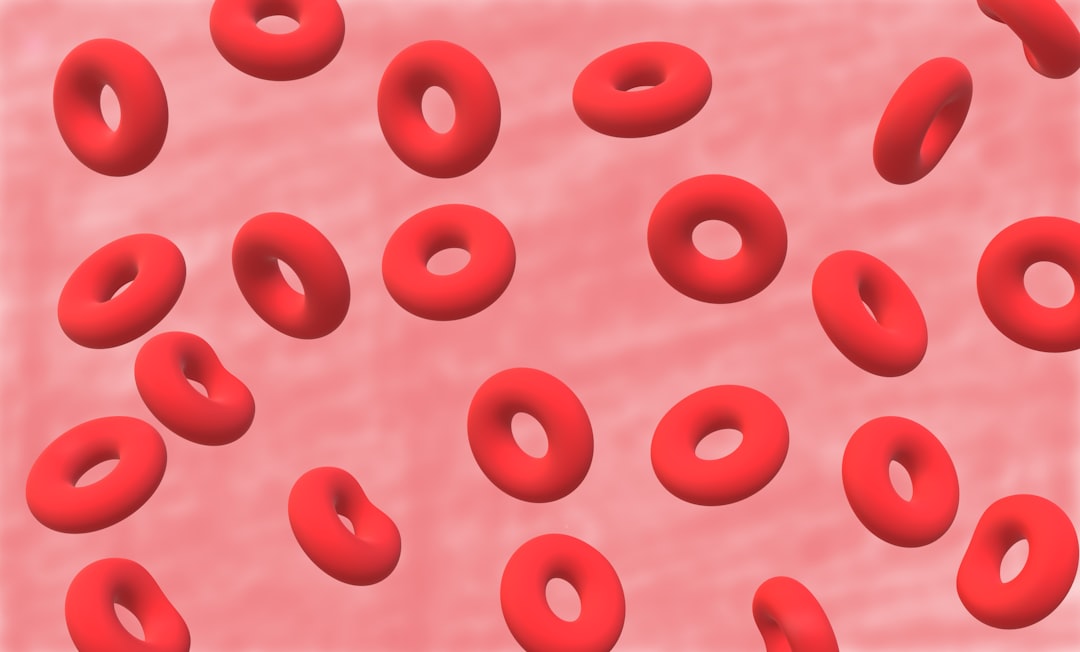
Your blood type (A, B, AB, or O) is determined by the presence or absence of specific antigens (A and B) on the surface of your red blood cells. Additionally, the Rh factor (positive or negative) further classifies your blood, leading to eight common blood types (e.g., A+, O-). These antigens can trigger an immune response if foreign to the body, making careful blood typing and cross-matching essential for safe transfusions.
Blood Transfusion Compatibility at a Glance
| Recipient Blood Type | Compatible Donor Red Blood Cells | Universal Donor (Red Cells) | Universal Recipient (Red Cells) |
|---|---|---|---|
| A+ | A+, A-, O+, O- | O- | AB+ |
| B+ | B+, B-, O+, O- | O- | AB+ |
| AB+ | All blood types | O- | AB+ |
| O- | O- only | O- | AB+ |
Type O negative blood is considered the universal donor for red blood cells, crucial in emergencies when a recipient’s blood type is unknown. Conversely, AB positive individuals are considered universal recipients.
While blood type personality theories are harmless fun, relying on them for serious decisions like dating or hiring can lead to discrimination and is not supported by scientific evidence.
Key Checkpoints: What to Remember! 📌
Made it this far? Great! Since this article is quite comprehensive, let’s quickly recap the most important takeaways. Please keep these three points in mind.
-
✅
Blood Type Personality is Pseudoscience
Despite its popularity in some cultures, there is no scientific evidence to support the idea that your blood type determines your personality or compatibility. -
✅
Medical Importance is Undeniable
The ABO and Rh systems are vital for safe blood transfusions and preventing complications in pregnancy, saving countless lives. -
✅
Emerging Health Links, Not Personality
Recent research is exploring potential associations between blood types and susceptibility to certain diseases, offering insights into personalized medicine, but these are not about personality.
Beyond Personality: Blood Type and Health Trends 👩💼👨💻
While personality links remain unproven, scientific research continues to uncover fascinating connections between blood types and various health aspects. These studies focus on the biological mechanisms of blood groups and their potential influence on disease susceptibility, offering avenues for personalized medicine.
For instance, recent studies have explored the relationship between blood types and COVID-19. Some research suggests that individuals with blood type O may have a lower risk of infection and reduced likelihood of severe outcomes, while those with types A and AB might face an increased risk of severe clinical outcomes. However, it’s important to note that these are statistical associations and not definitive predictors for individuals.
Other areas of ongoing research include:
- Cardiovascular Disease: Blood types A, B, and AB have been associated with a greater risk of heart attack due to coronary artery disease and higher rates of clotting disorders compared to type O blood.
- Stroke: A recent study found that people with blood type A were slightly more likely to have a stroke before the age of 60 than people with blood type O.
- Kidney Stones: Research from Karolinska Institutet suggests that having blood group B might be a protective factor against kidney stones.
- Infectious Diseases: Beyond COVID-19, blood group antigens have been found to interact with various infections, including malaria and Helicobacter pylori.
While these health links are intriguing, they represent population-level statistics. Individual health is influenced by a multitude of factors, and these findings should not cause undue alarm or replace professional medical advice.
Myth vs. Fact: A Quick Comparison 📚
Let’s put the popular beliefs and scientific facts side-by-side to clearly illustrate the difference.
Blood Type Personality: The Myth
- Claim: Blood type determines inherent personality traits (e.g., Type A is organized, Type B is creative).
- Origin: Popularized in early 20th century Japan, gaining widespread cultural acceptance.
- Usage: Used for matchmaking, social icebreakers, and even in some workplace perceptions.
Blood Type Science: The Fact
- Fact: Blood types are classifications based on antigens on red blood cells (ABO, Rh factor).
- Origin: Discovered by Karl Landsteiner in 1901, a Nobel Prize-winning medical breakthrough.
- Usage: Crucial for safe blood transfusions, organ transplantation, and understanding disease susceptibility.
This comparison highlights the clear distinction between a cultural belief and established scientific understanding. While the former offers a fun lens through which to view ourselves and others, the latter provides life-saving medical knowledge and continues to inform our understanding of human health.

Conclusion: Embracing Both Curiosity and Science 📝
It’s clear that the world of blood types is far more complex and fascinating than simple personality classifications. While the cultural phenomenon of blood type personality offers an entertaining way to explore human traits, it’s essential to remember that these are not scientifically supported. Our personalities are shaped by a myriad of factors, including genetics, environment, experiences, and individual choices, not just a single biological marker.
On the other hand, the scientific understanding of blood types is a cornerstone of modern medicine, enabling safe transfusions and opening doors to new insights into disease prevention and personalized health. So, go ahead and have fun with blood type personality quizzes, but always ground your understanding of yourself and others in evidence-based knowledge. What are your thoughts on blood type personality? Share your comments below! 😊
Blood Type Insights: Quick Summary
Frequently Asked Questions ❓
Copyright © 2025 QHost365.com ®