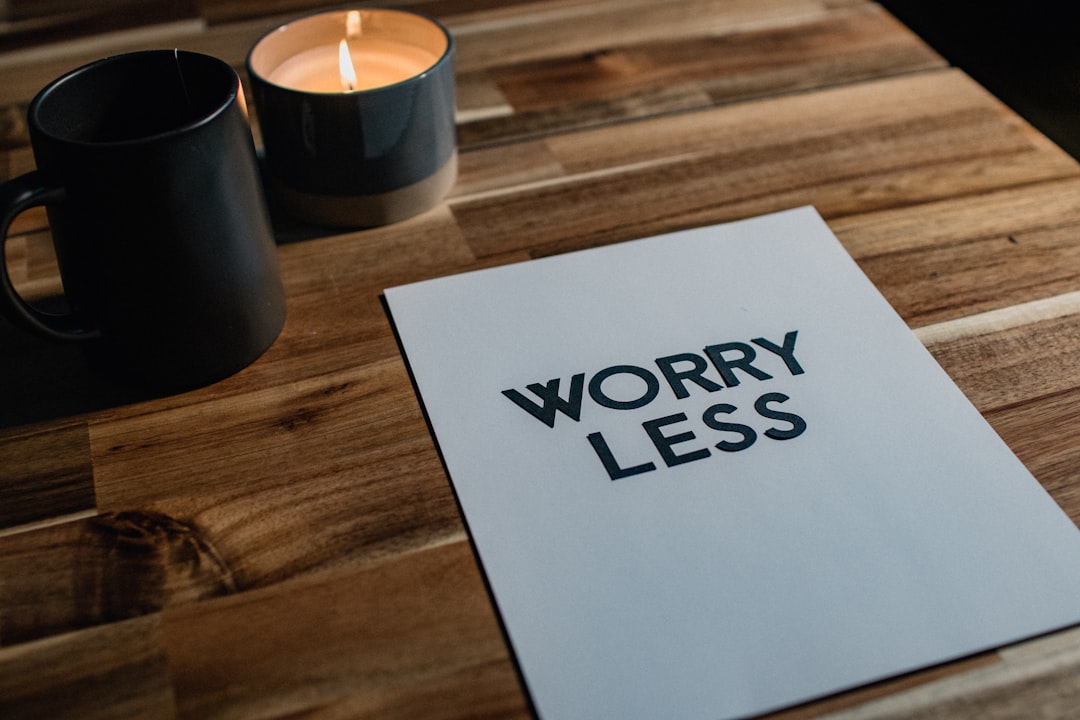
In our fast-paced world, stress often feels like an unavoidable companion. Whether it’s the demands of work, personal responsibilities, or the constant buzz of digital life, finding moments of calm can seem like a luxury. But what if I told you that some of the most powerful tools for stress reduction are already within you, just waiting to be harnessed? We’re talking about meditation and breathing techniques – practices that are not only ancient but are increasingly validated by modern science as essential for mental well-being in 2025. Ready to unlock your inner calm? Let’s dive in! 😊
The Rising Tide of Stress and the Power of Mindfulness 🤔
Stress is more than just a feeling; it’s a physiological response that, if left unchecked, can significantly impact our mental and physical health. In 2025, stress management has become a top priority, with many, especially younger generations, proactively adopting strategies to avoid long-term mental health issues. Chronic stress can contribute to heart disease, high blood pressure, anxiety, and depression.
The good news? Mindfulness, a core component of meditation, is gaining immense popularity as a research-proven tool for managing stress and improving overall well-being. Globally, over 275 million people practice meditation as of 2025, with a significant number in the U.S. (37.9 million). This isn’t just a fleeting trend; it’s a worldwide movement.
A 2025 Verywell Mind survey found that 63% of Gen Z rated their mental health in the past month as “less than good,” highlighting the urgent need for effective stress management techniques.
The Science-Backed Benefits of Meditation 📊
Meditation is far from just “sitting quietly”; it’s a practice rooted in science that can literally rewire your brain. Regular meditation has been shown to induce neuroplasticity, increase cortical thickness in areas related to emotional regulation, and reduce amygdala reactivity (the brain’s stress center).
Here’s what the latest research, updated for 2025, tells us about the profound impact of meditation:
| Benefit | Scientific Evidence (2024-2025) |
|---|---|
| Stress Reduction | Numerous studies confirm meditation lowers cortisol levels (the stress hormone) and decreases overall stress. 92% of meditators use it for stress relief. |
| Anxiety & Depression Control | Mindfulness-based therapy is effective in reducing symptoms of anxiety and depression. Long-term users report up to a 60% reduction in anxiety after 6-9 months. |
| Improved Focus & Concentration | Regular practice increases activity in the prefrontal cortex, enhancing cognitive functions. Just eight weeks can increase gray matter in attention-related brain areas. |
| Better Sleep Quality | Meditation helps with falling asleep and improving sleep quality by quieting mental chatter. |
| Enhanced Emotional Well-being | Individuals learn to observe emotions without impulsive reactions, leading to greater calmness and contentment. |
While meditation offers significant benefits, individuals with existing mental or physical health conditions should consult their healthcare provider before starting a new practice.
Key Checkpoints: What to Remember! 📌
You’ve come this far! With so much information, it’s easy to forget the essentials. Let’s recap the most important takeaways. Please keep these three points in mind:
-
✅
Meditation is Scientifically Proven:
It’s not just a spiritual practice; meditation demonstrably alters brain structure and function to reduce stress and improve mental health. -
✅
Breathing is Your Immediate Tool:
Conscious breathing techniques can quickly activate your body’s relaxation response, offering immediate calm in stressful situations. -
✅
Consistency is Key:
Even short, regular practice (5-10 minutes daily) yields cumulative benefits for long-term stress resilience and overall well-being.
Effective Breathing Techniques for Instant Calm 👩💼👨💻
Your breath is a powerful, free, and always-available tool for self-regulation. Conscious breathing techniques can modulate the autonomic nervous system, promoting relaxation and activating the body’s natural healing processes. Here are some popular and effective techniques:
- Box Breathing (4-4-4-4 Method): Inhale slowly through your nose for 4 counts, hold your breath for 4 counts, exhale slowly through your mouth for 4 counts, and hold your breath again for 4 counts. Repeat for 5-10 minutes. This technique helps regulate the autonomic nervous system and can significantly lower cortisol levels.
- 4-7-8 Breathing: Exhale completely through your mouth, making a “whoosh” sound. Close your mouth and inhale quietly through your nose to a mental count of 4. Hold your breath for a count of 7. Exhale completely through your mouth, making a “whoosh” sound to a count of 8. Repeat for four cycles. This is excellent for reducing tension and anxiety, especially before bedtime.
- Diaphragmatic (Belly) Breathing: Lie on your back with one hand on your chest and the other on your belly. Inhale slowly through your nose, feeling your belly rise while your chest remains relatively still. Exhale slowly through slightly pursed lips, feeling your belly fall. Practice for 5-10 minutes, 3-4 times daily. This activates the body’s “relaxation response.”
- Alternate-Nostril Breathing (Nadi Shodhana): Sit comfortably. Close your right nostril with your right thumb. Inhale through your left nostril. Close your left nostril with your ring finger, release your thumb, and exhale through your right nostril. Inhale through your right nostril. Close your right nostril with your thumb, release your ring finger, and exhale through your left nostril. This is one cycle. Continue for up to 5 minutes.
Even a few minutes of focused breathing can change your entire day. Incorporate these practices into your daily routine, whether it’s deep breathing, guided visualization, or breath-focused meditation.
Integrating Mindfulness into Daily Life 📚
Meditation and breathing aren’t just for dedicated sessions; they can be woven into the fabric of your everyday life. Mindfulness is about paying attention to the present moment without judgment, and it can be practiced anywhere, anytime.
A Simple Daily Mindfulness Routine
- Morning Anchor: Start your day with 5-10 minutes of breath-focused meditation. A 2025 report shows that morning practice dominates (57.8%) among meditators.
- Mindful Moments: During routine activities like walking, eating, or drinking, consciously bring your attention to your senses. Notice the taste of your food, the feeling of your feet on the ground, or the sounds around you.
- Stress Break: When you feel stress building, pause and engage in a quick 2-minute box breathing or 4-7-8 breathing exercise.
- Digital Detox: Consider regular digital detoxes. Constant connectivity can be a major source of stress.
- Evening Wind-Down: Before bed, practice diaphragmatic breathing or a guided meditation to promote restful sleep.
The Rise of Meditation Apps
Meditation apps are making these practices more accessible than ever. The global meditation app market is estimated at $2 billion in 2025 and is projected to grow significantly. Apps like Calm and Headspace lead the market, offering guided meditations, sleep stories, and breathing exercises.
Even brief usage (10-21 minutes, three times a week) can lead to measurable results in reducing depression, anxiety, and stress.
Remember, consistency is more important than duration. Even short bursts of mindful breathing or meditation throughout your day can accumulate into significant stress reduction and improved well-being.

Wrapping Up: Your Path to Inner Peace 📝
In a world that constantly pulls us in different directions, the ability to find and cultivate inner calm is invaluable. Meditation and breathing techniques are not just ancient wisdom; they are scientifically validated, accessible tools for navigating the complexities of modern life. By dedicating even a few minutes each day to these practices, you can significantly reduce stress, enhance your mental clarity, and improve your overall quality of life.
Embrace the power of your breath and the stillness of your mind. Your journey to a calmer, more resilient self starts now. If you have any questions or want to share your experiences, please leave a comment below! 😊
Key Takeaways for Stress Reduction
Frequently Asked Questions ❓