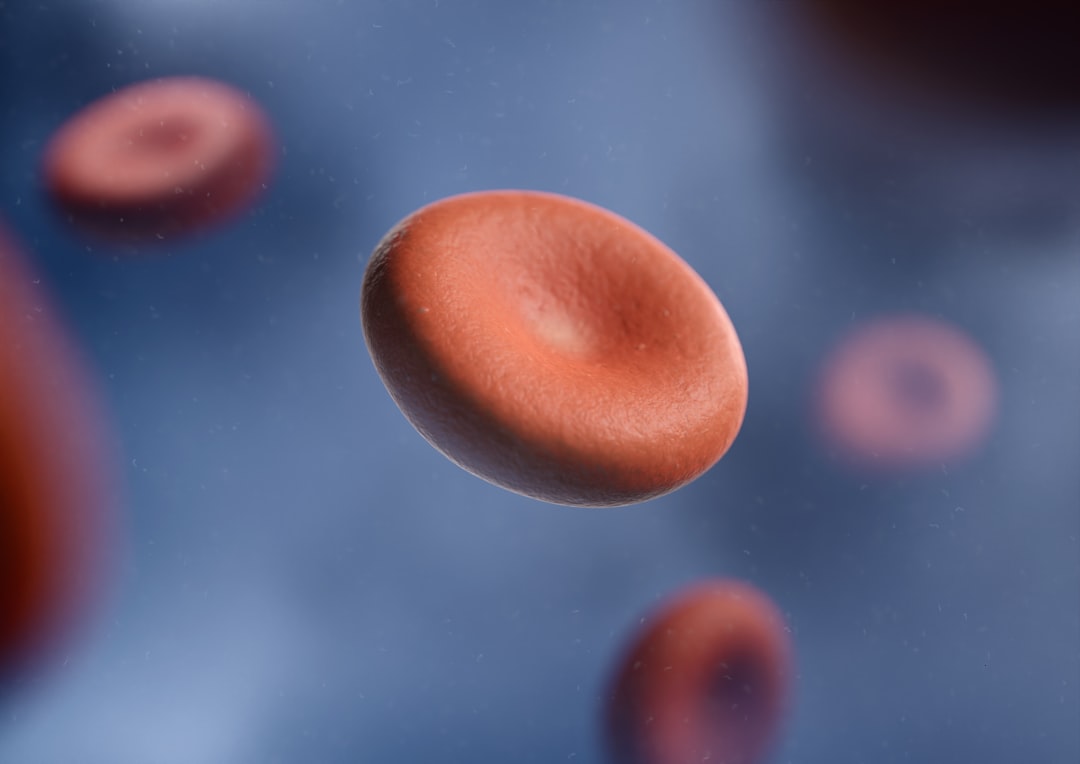
Many of us are constantly seeking ways to understand ourselves and the people around us. While Western cultures often turn to horoscopes or zodiac signs, in some parts of the world, particularly East Asia, people look to something as fundamental as blood type for insights into personality, compatibility, and even career paths! It’s a captivating concept that suggests your blood type might reveal your inherent traits. But how much truth lies behind these popular beliefs, and why do they continue to fascinate so many? Let’s explore this intriguing cultural phenomenon together! 😊
The Enduring Appeal of Blood Type Personalities 🤔
The idea that blood type influences personality first gained traction in Japan in the 1930s, thanks to Professor Takeji Furukawa’s theories. While initially met with skepticism, these ideas saw a significant resurgence in the 1970s through journalist Masahiko Nomi’s popular books. Since then, blood type personality theories have deeply permeated popular culture in countries like Japan and South Korea.
You’ll find discussions about blood type personalities everywhere – from TV shows and manga to magazines and even dating guides. It’s often used as a lighthearted way to understand oneself and others, much like horoscopes are used in Western cultures. This cultural phenomenon provides a simple framework for categorizing people, fostering a sense of community and offering a fun, accessible lens through which to view human behavior.
While widely discussed and integrated into social interactions, these blood type personality theories are primarily a cultural and social phenomenon, not a scientifically proven fact.
Unpacking the Archetypes: What Each Blood Type *Supposedly* Means 📊
According to popular belief, each blood type is associated with a distinct set of personality traits, often leading to common stereotypes. Let’s break down what your blood type *allegedly* says about you. These descriptions are based on popular cultural beliefs and are not scientifically validated.
Common Blood Type Personality Traits
| Blood Type | Positive Traits (Popular Belief) | Negative Traits (Popular Belief) | Common Stereotype |
|---|---|---|---|
| Type A | Organized, cautious, sensitive, perfectionist, artistic | Anxious, obsessive, stubborn, overly reserved | The Farmer / Perfectionist |
| Type B | Creative, passionate, independent, strong-willed | Selfish, irresponsible, unpredictable, forgetful | The Hunter / Individualist |
| Type O | Confident, ambitious, natural leader, outgoing, resilient | Arrogant, insensitive, workaholic, overly competitive | The Warrior / Leader |
| Type AB | Rational, critical, diplomatic, adaptable, artistic | Aloof, indecisive, two-faced, secretive | The Humanist / Enigma |
It’s crucial to remember that there is no scientific evidence to support the claim that blood type determines personality. Relying solely on these theories for important decisions, such as hiring or dating, can be misleading and lead to unfair judgments.
Key Checkpoints: What to Remember! 📌
Have you been following along? With so much information, it’s easy to forget the most important points. Let’s quickly recap the three key takeaways from our discussion:
-
✅
Blood Type Personalities are a Cultural Phenomenon
These theories are widely popular in East Asian cultures, particularly in Japan and South Korea, serving as a social tool for understanding. -
✅
Each Blood Type Has Associated Stereotypes
Popular beliefs attribute distinct positive and negative traits to Type A, B, O, and AB individuals. -
✅
There is No Scientific Basis for These Claims
Mainstream science consistently rejects any link between blood type and personality, emphasizing that personality is far more complex.
Beyond the Veins: The Scientific Verdict and Cultural Nuances 👩💼👨💻
Despite their widespread popularity, the scientific community, including psychologists and hematologists, overwhelmingly rejects any link between blood type and personality. Numerous studies have attempted to find correlations, but none have provided conclusive evidence. Personality is a complex construct, shaped by a myriad of factors including genetics, upbringing, environment, life experiences, and individual choices, not a single biological marker like blood type.
So, why do these beliefs persist? Psychologists often point to phenomena like the Barnum effect, where general statements seem to apply specifically to oneself, and confirmation bias, where people tend to seek out and interpret information in a way that confirms their existing beliefs. The pervasive nature of these theories in media and social discourse also plays a significant role in perpetuating them across generations. While generally harmless fun, there have been instances of “bura-hara” (blood type harassment) in Japan, where individuals face discrimination based on their blood type in social or professional settings.
While blood types are absolutely vital for medical purposes like transfusions and understanding disease susceptibility, they have no proven connection to psychological traits, behaviors, or intelligence.
Social Scenarios: Navigating Blood Type Personalities 📚
While less prevalent in the United States, understanding blood type personality theories can be incredibly useful when interacting with individuals from cultures where these beliefs are common. It’s a fascinating aspect of cultural literacy. Let’s consider a hypothetical scenario:
A First Date in a Culturally Diverse Setting
- **Situation:** You’re on a first date with someone from South Korea, and they casually ask, “What’s your blood type?”
- **Your Blood Type:** Let’s say you’re Type B.
Potential Interpretations (Based on Popular Beliefs)
1) **Initial Reaction:** Your date might immediately (and subconsciously) recall the stereotypes associated with Type B – perhaps seeing you as creative and passionate, but also potentially a bit selfish or unpredictable.
2) **Conversation Starter:** It could lead to a lighthearted discussion about whether you identify with those traits, offering a unique way to learn about each other’s perceptions.
The Takeaway
– **Cultural Awareness:** Understanding these beliefs helps you navigate social interactions with sensitivity and curiosity, rather than confusion.
– **Beyond Stereotypes:** While it can be a fun ice-breaker, remember that true understanding comes from getting to know the individual, not their blood type.
This example highlights that while we shouldn’t take these theories as scientific fact, being aware of their cultural significance can enrich our social experiences and foster better cross-cultural understanding. It’s about appreciating the diverse ways people seek to understand themselves and the world.
Conclusion: Embracing Individuality Beyond Blood Types 📝
In conclusion, blood type personality theories offer a fascinating glimpse into cultural psychology and the human desire for self-understanding. While they lack scientific backing, their enduring popularity in certain regions underscores their role as a social tool and a fun conversation starter. It’s a reminder that personality is a rich tapestry woven from countless threads, far too complex to be defined by a single biological factor.
Let’s appreciate the diversity of human personality and embrace the unique qualities that make each of us who we are, regardless of our blood type. What are your thoughts on blood type personalities? Have you encountered these beliefs in your own life? Share your experiences and questions in the comments below – we’d love to hear from you! 😊
Copyright © 2025 QHost365.com ®