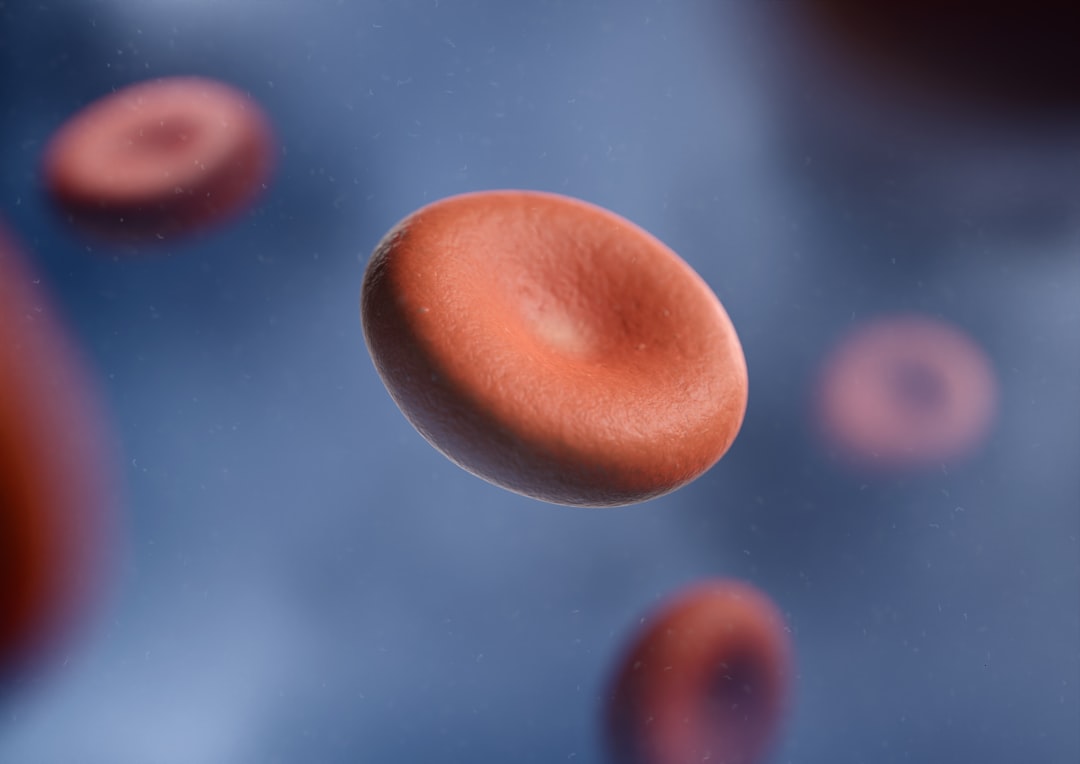
Have you ever found yourself wondering if your blood type dictates your personality? Perhaps you’ve heard friends or colleagues discussing how their “Type A” meticulousness or “Type B” free spirit perfectly aligns with their blood group. It’s a topic that sparks curiosity and often leads to lively debates, especially in certain cultures. But is there any truth to these widespread beliefs, or is it just a fun way to understand ourselves and others? Let’s explore the intriguing world of blood type personality theories! 😊
The Enduring Appeal of Blood Type Personality Theories 🤔
The concept of blood type influencing personality, known as “Ketsueki-gata” in Japan, gained significant popularity in the 1970s and continues to be a cultural phenomenon in several East Asian countries. It’s often used in social settings, dating, and even in some workplaces, much like horoscopes are in Western cultures. This enduring appeal stems from our natural desire to categorize and understand human behavior, offering a seemingly simple framework for complex personalities.
While largely considered a pseudoscience, the theories provide a common language for discussing personal traits and compatibility. Many people find the descriptions surprisingly accurate, leading to a self-fulfilling prophecy effect where individuals might unconsciously adopt traits associated with their blood type.
The idea of blood type personality originated in Japan with Professor Takeji Furukawa in 1927, though it gained widespread traction much later. His initial research, however, lacked rigorous scientific methodology.
What Each Blood Type “Supposedly” Means 📊
Let’s dive into the commonly attributed personality traits for each major blood type. Remember, these are widely held beliefs, not scientific facts! Many people find these descriptions resonate with them, making for fun conversations and self-reflection.
It’s fascinating how these stereotypes have become so ingrained in popular culture, influencing everything from dating guides to marketing strategies in some regions.
Common Blood Type Personality Traits
| Blood Type | Common Traits | Strengths | Weaknesses |
|---|---|---|---|
| Type A | Conscientious, organized, sensitive, patient | Responsible, detail-oriented, calm | Stubborn, anxious, overly cautious |
| Type B | Creative, passionate, strong-willed, cheerful | Independent, curious, adaptable | Selfish, irresponsible, forgetful |
| Type O | Confident, ambitious, natural leader, generous | Optimistic, energetic, resilient | Arrogant, insensitive, workaholic |
| Type AB | Rational, calm, artistic, empathetic | Diplomatic, charming, unique | Indecisive, critical, aloof |
These descriptions are based on popular cultural beliefs and are not supported by scientific evidence. They are generalizations and should not be used to make definitive judgments about individuals.
Key Checkpoints: What to Remember! 📌
Have you followed along so far? Since this article can be quite detailed, let me quickly recap the most important points. Please keep these three things in mind:
-
✅
Cultural Phenomenon:
Blood type personality theories are a significant cultural trend, particularly in East Asia, influencing social interactions and self-perception. -
✅
Common Stereotypes:
Each blood type (A, B, O, AB) is associated with distinct personality traits, which are widely recognized and discussed in popular culture. -
✅
No Scientific Basis:
Despite their popularity, these theories lack any credible scientific evidence and are considered pseudoscience by the medical and psychological communities.
Blood Type Compatibility: A Social Lens 👩💼👨💻
Beyond individual personality traits, blood type theories also extend to compatibility between different blood types. This is often applied to romantic relationships, friendships, and even team dynamics in a work environment. For example, Type O individuals are often seen as highly compatible with Type A and Type B, due to their perceived leadership and adaptable qualities. These compatibility charts are frequently found in magazines and online quizzes, providing entertainment and a lighthearted way to assess relationships.

While these compatibility theories can be fun conversation starters, they should not be taken as serious indicators for forming or evaluating relationships. True compatibility is built on shared values, communication, and mutual respect, not blood type.
The Scientific Perspective: Separating Fact from Fiction 📚
Despite their widespread popularity, blood type personality theories are not supported by scientific evidence. Numerous studies have attempted to find a correlation between blood type and personality traits, but none have yielded consistent or statistically significant results. The scientific consensus is clear: there is no proven link between your ABO blood group and your personality.
Psychologists and geneticists emphasize that personality is a complex interplay of genetics, environment, upbringing, and individual experiences. Attributing personality solely to blood type oversimplifies human psychology and can lead to harmful stereotyping and discrimination. As of 2025, the scientific community continues to debunk these claims, reinforcing that blood types are biological markers for medical purposes, not personality indicators.
Case Study: The “Blood Type Bias” in Action
- **Situation:** A company in a region where blood type personality is popular is hiring for a creative role.
- **Information:** The hiring manager, a strong believer in blood type personalities, notes that Type B individuals are “creative and passionate.”
Potential Outcome
1) **Bias in Selection:** The hiring manager might unconsciously favor Type B candidates, even if other candidates demonstrate superior creative skills and experience. This is a form of unconscious bias.
2) **Missed Talent:** The company could miss out on highly qualified candidates from other blood types who might be equally or more creative, simply due to an unfounded belief.
Final Result
– **Suboptimal Hiring:** The company might not hire the best talent, potentially impacting team diversity and overall performance.
– **Reinforced Stereotypes:** Such practices, even if unintentional, reinforce the unscientific belief that blood type dictates professional aptitude.
This example highlights why it’s crucial to distinguish between cultural entertainment and factual information, especially in contexts that can impact real-world decisions.
Conclusion: Summarizing the Core Insights 📝
In conclusion, while blood type personality theories offer a fascinating cultural lens through which to view ourselves and others, it’s essential to remember their true nature. They are a form of pseudoscience, lacking any empirical evidence to support a link between your blood group and your inherent personality traits. The enduring popularity of these theories speaks more to our human desire for self-understanding and connection than to any scientific reality.
So, feel free to enjoy the lighthearted discussions and quizzes about blood type personalities, but always keep a critical eye. True personality is far more intricate and beautiful than any simple categorization. What are your thoughts on blood type personalities? Share your experiences and questions in the comments below! 😊
Blood Type Personality: Quick Summary
Copyright © 2025 QHost365.com ®