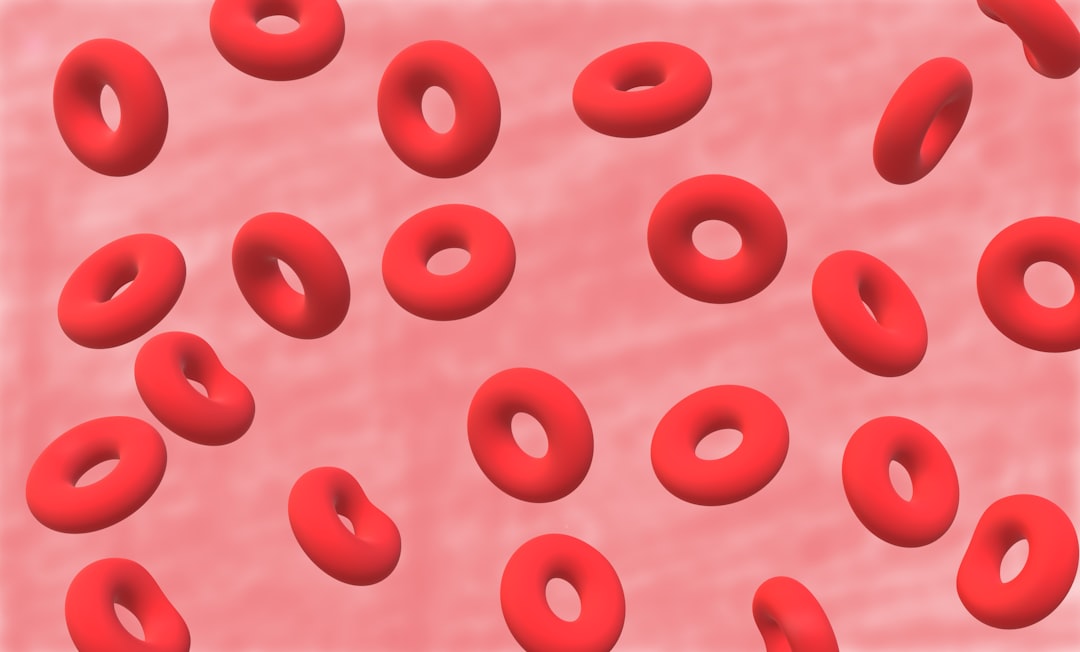
Have you ever wondered if your blood type dictates who you are? Perhaps you’ve heard friends discuss how their “Type A” meticulousness or “Type B” creativity defines them. It’s a fun concept, right? We all love finding ways to understand ourselves and others better, and for many, blood type personality theories offer a compelling, albeit simple, framework. But what if I told you that while your blood type holds fascinating secrets, they might not be about your personality at all? Let’s explore the real science behind your blood type and uncover what it truly means for you! 😊
The Allure of Blood Type Personality: A Cultural Phenomenon 🤔
The idea that your blood type can predict your personality, temperament, and even compatibility with others is a widespread belief, particularly prevalent in East Asian countries like Japan and South Korea. This concept, known as ketsueki-gata in Japanese, gained significant cultural traction after publications by Masahiko Nomi in the 1970s. According to this theory, each ABO blood group—A, B, AB, and O—is associated with distinct traits.
For instance, Type A individuals are often believed to be calm, responsible, and detail-oriented, while Type B individuals are thought to be outgoing, creative, and passionate. Type AB is described as rational and adaptable, and Type O as confident and sociable. It’s a captivating idea that has influenced everything from matchmaking to job interviews in some cultures.
A 2023 survey by Quest found that more Americans know their horoscope sign (66%) than their blood type (51%). This highlights a general lack of awareness about a crucial biological marker!
Fact vs. Fiction: What Science Says About Blood Type and Personality 📊
Despite its enduring popularity, the scientific community largely dismisses blood type personality theories as pseudoscience or superstition due to a lack of empirical evidence and testable criteria. Numerous modern studies have failed to demonstrate any statistically significant association between blood type and personality.
A notable 2015 study published in the journal “Personality and Individual Differences” analyzed data from over 10,000 participants and found no significant correlation between blood types and personality traits. Similarly, a 2014 analysis of over 10,000 Japanese subjects concluded that blood type contributed to less than 0.3% of the total variance in personality. The perceived correlations are often attributed to confirmation bias and cultural expectations rather than biological mechanisms.
Blood Type Distribution in the U.S. (Approximate)
| Blood Type | U.S. Population Percentage | Notes |
|---|---|---|
| O-Positive (O+) | ~37-38% | Most common blood type. |
| A-Positive (A+) | ~35.7% | Second most common. |
| B-Positive (B+) | ~8.5% | Less common. |
| O-Negative (O-) | ~6.6% | Universal donor, always in high demand. |
| A-Negative (A-) | ~6.3% | Relatively rare. |
| AB-Positive (AB+) | ~3.4% | Universal recipient. |
| B-Negative (B-) | ~1.5% | Very rare. |
| AB-Negative (AB-) | ~0.6% | Rarest blood type. |
Relying on blood type for personality assessment can lead to stereotyping and even discrimination, a phenomenon known as “bura-hara” in Japan. True personality is a complex interplay of genetics, environment, and social factors.
Key Takeaways: What You Need to Remember! 📌
Have you been following along? It’s easy to forget details in a longer article, so let’s quickly recap the most important points. Please keep these three things in mind.
-
✅
Blood Type Personality is Pseudoscience:
Despite cultural popularity, there is no scientific evidence to support a link between your blood type and your personality traits. -
✅
Your Blood Type Matters for Health:
Specific blood types are linked to varying risks for certain health conditions like heart disease, blood clots, and some cancers. -
✅
Knowing Your Blood Type is Crucial:
Understanding your blood type is vital for medical reasons, especially for transfusions and personalized health management.
Beyond Personality: Blood Type and Your Health 👩💼👨💻
While your blood type doesn’t define your character, it can offer valuable insights into your health. Recent research continues to uncover fascinating links between ABO blood groups and susceptibility to various diseases. Knowing your blood type can be a crucial piece of your personal health puzzle.
- Heart Disease & Blood Clots: Individuals with blood types A, B, or AB have a higher risk for coronary heart disease and blood clots compared to those with Type O blood. Specifically, Type AB has been linked to the greatest risk of heart disease.
- Stroke: Type A blood has been associated with a 16% higher likelihood of early stroke, while Type O individuals were 12% less likely. Type AB also carries a higher risk of stroke.
- Stomach Cancer: People with blood types A, AB, and B are at a higher risk of stomach cancer than Type Os, with Type A individuals being particularly susceptible, possibly due to a higher prevalence of H. pylori infection.
- Pancreatic Cancer: Your risk is higher if you’re Type A, AB, or B.
- Malaria: Interestingly, Type O blood may offer a protective factor against malaria, as the parasite has a harder time attaching to Type O red blood cells.
- Kidney Stones: A 2021 study involving over five million Swedes found a new link: having blood group B appears to be a protective factor against kidney stones.
While blood type can indicate certain predispositions, a healthy lifestyle (diet, exercise, not smoking) remains the most significant factor in managing your health risks.
Real-World Impact: Why Knowing Your Blood Type Matters 📚
Understanding your blood type isn’t just for medical emergencies; it’s a foundational piece of personal health knowledge. For instance, if you know you have a blood type associated with a higher risk of heart disease, you and your doctor can proactively focus on preventative measures.
Case Study: Proactive Health Management
- Situation: Sarah, a 35-year-old, discovers she has Type A blood.
- Information: Research indicates Type A individuals have a slightly higher risk of heart disease and stomach cancer.
Action Plan
1) Sarah discusses these risks with her doctor, who recommends regular cardiovascular screenings and a focus on a heart-healthy diet.
2) She also becomes more vigilant about digestive health, considering regular check-ups for H. pylori if symptoms arise.
Final Outcome
– Sarah feels empowered with knowledge, taking proactive steps to mitigate potential health risks rather than waiting for problems to emerge.
– This personalized approach to health, informed by her blood type, contributes to her overall well-being.
This example illustrates how knowing your blood type can empower you to engage in more informed discussions with your healthcare providers and make lifestyle choices that are tailored to your unique biological profile.
Conclusion: Embrace the Science, Not the Superstition 📝
While the idea of blood type personality is a fascinating cultural concept, it’s essential to distinguish between popular belief and scientific fact. Your blood type doesn’t define your personality, but it certainly plays a significant role in your health and well-being. By focusing on the evidence-based connections between blood types and disease risks, we can move towards a more personalized and proactive approach to health.
So, the next time someone asks about your blood type, you can share not just a letter and a plus or minus sign, but also a deeper understanding of its true scientific significance. What are your thoughts on blood type theories? Share your comments below! 😊
Blood Type Insights: Quick Summary
Frequently Asked Questions ❓