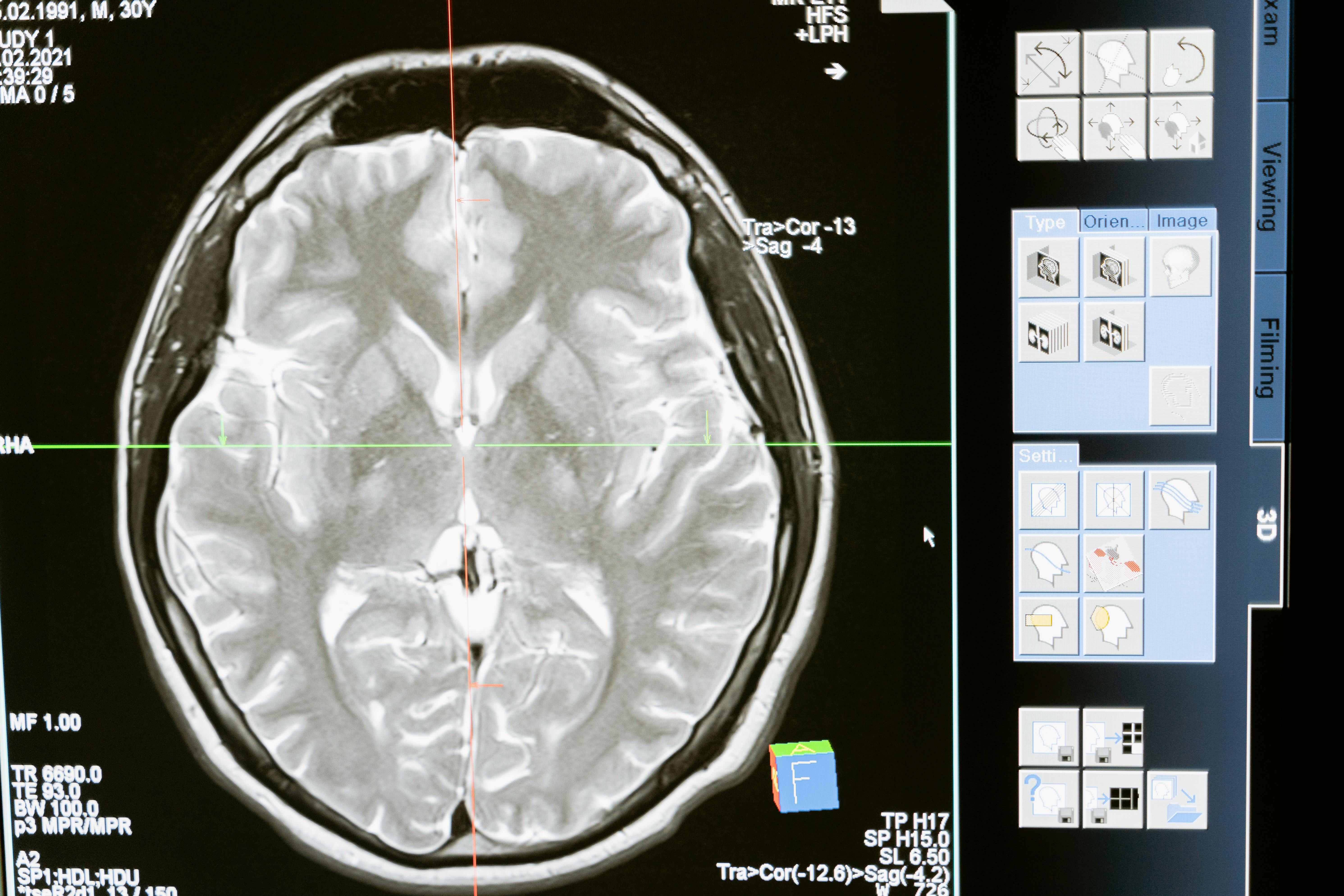
Have you ever been asked your blood type, not for a medical reason, but to gauge your personality or compatibility? It’s a common scenario, especially in East Asian cultures, where blood type personality theories, known as ketsueki-gata, are deeply ingrained in daily life. From dating to job interviews, these beliefs often shape perceptions and interactions. But how much truth is there to these popular notions? Join me as we explore the cultural phenomenon of blood type personalities, separate fact from fiction with the latest scientific insights, and uncover some truly groundbreaking discoveries about blood in 2026! 😊
The Enduring Allure of Blood Type Personalities 🤔
For decades, particularly in countries like Japan and South Korea, the idea that your blood type dictates your personality has been a widespread and often cherished belief. It’s similar to how zodiac signs are used in Western cultures, offering a quick and easy way to understand ourselves and others. People often find these descriptions surprisingly accurate, leading to their continued popularity.
Let’s take a look at the commonly associated traits for each ABO blood type:
- Type A: Often described as organized, patient, responsible, and perfectionistic. They are seen as sensitive and good team players, but can also be anxious or stubborn.
- Type B: Characterized as creative, passionate, individualistic, and spontaneous. While often seen as strong and adventurous, they can also be perceived as selfish, impatient, or overly independent.
- Type O: Believed to be confident, outgoing, natural leaders, and optimistic. They are often seen as energetic and understanding, but sometimes stubborn or aggressive.
- Type AB: A mix of A and B traits, making them complex, rational, and adaptable. They can be seen as artistic and caring, yet also indecisive or aloof.
This cultural phenomenon extends beyond casual conversation. In Japan, for instance, it’s common to find blood type horoscopes, products marketed specifically for certain blood types, and even matchmaking services that consider blood type compatibility. Some employers have even been known to consider blood types during hiring, despite government warnings against such discrimination.
A Japanese survey revealed that more than half of respondents enjoy discussing blood type personalities and believe the traits apply to them to some degree. This highlights the deep cultural resonance of these beliefs, even without scientific backing.
Fact vs. Fiction: What Science Says 📊
While the cultural impact of blood type personality theories is undeniable, the scientific community generally dismisses them as pseudoscience or superstition. The idea first gained traction in Japan in the early 20th century with publications by Takeji Furukawa in 1927, who linked personalities to blood types based on small, statistically unsound population samples. This theory was later popularized by journalist Masahiko Nomi in the 1970s, despite his lack of medical background.
Numerous modern scientific studies have attempted to find a correlation between blood type and personality traits, but the results have consistently shown no statistically significant association. Personality is a complex construct influenced by a myriad of factors, including genetics, upbringing, environment, and personal experiences, rather than a single biological marker like blood type.
Some studies suggest that any perceived correlation between blood type and personality might be due to a self-fulfilling prophecy. If you believe certain traits are linked to your blood type, you might unconsciously act in ways that reinforce those beliefs.
Key Checkpoints: What to Remember! 📌
Have you been following along? This can be a lot of information, so let’s quickly recap the most important takeaways. Please keep these three points in mind:
-
✅
Cultural Phenomenon, Not Scientific Fact:
Blood type personality theories are a significant cultural belief, especially in East Asia, but lack scientific evidence. -
✅
Personality is Complex:
Your personality is shaped by a blend of genetics, environment, and experiences, not solely by your blood type. -
✅
Blood Types Have Real Medical Importance:
While not for personality, blood types are crucial for transfusions, health risk research, and pregnancy compatibility.
Beyond Personality: The Real Science of Blood Types in 2026 👩💼👨💻
While the personality theories may be debunked, the science of blood types is anything but trivial. Blood types (A, B, AB, O, and Rh factor) are critical for medical purposes, especially blood transfusions, and ongoing research continues to uncover their deeper connections to our health. The year 2026 has already brought some significant updates in this vital field.
Blood Type and Health Risks
Recent studies continue to explore the links between blood types and various health conditions. For example, research published in January 2026 identified metabolites in blood samples associated with the risk of developing type 2 diabetes, revealing genetic and lifestyle factors that influence these markers. This kind of research helps us understand predispositions and develop better preventive strategies, far beyond any personality traits.
New Discoveries and Critical Needs
The world of blood science is constantly evolving. In a major breakthrough, scientists identified a new human blood group system, the MAL blood group, in January 2026, solving a 50-year mystery! This discovery, published in 2024, highlights the complexity and ongoing exploration of human blood. Another rare blood type, B(A), was also discovered in December 2025, bringing the total count of known blood groups to 49.
On a more urgent note, as of March 2026, blood banks across the U.S. are reporting dangerously low supplies of O-negative blood, often called the “universal donor.” This critical shortage, exacerbated by severe winter weather and canceled blood drives, underscores the immense importance of blood donation and responsible management of this scarce resource.
Blood type compatibility, specifically the Rh factor, is crucial during pregnancy. If an Rh-negative mother carries an Rh-positive baby, it can lead to complications, but modern medicine offers effective treatments to ensure healthy outcomes.
Why Knowing Your Blood Type Matters: A Practical Look 📚
Beyond cultural curiosities, understanding your blood type has tangible, life-saving implications. It’s not about predicting your next career move or finding your soulmate based on a chart, but about being prepared for real-world medical situations.
Emergency Preparedness
- Scenario: You’re in an accident and require an immediate blood transfusion.
- Impact: Knowing your blood type (and having it readily available, perhaps on a medical ID) can significantly speed up the process of receiving compatible blood, especially if O-negative is not immediately available or if you have a rare blood type.
Blood Donation
1) Identify your type: Knowing your specific blood type (e.g., O-negative, A-positive) allows you to understand which patients you can help.
2) Respond to shortages: When organizations like the Red Cross issue urgent calls for specific blood types, you can respond effectively, directly contributing to saving lives, as seen with the current O-negative shortage.
Family Planning
– Rh Factor Awareness: If you or your partner are Rh-negative, understanding this before or during pregnancy allows medical professionals to monitor and manage potential Rh incompatibility, ensuring a healthy pregnancy.
– Genetic Insights: While not for personality, blood type can be a factor in understanding genetic predispositions to certain health conditions for future generations.
Ultimately, while the cultural narratives around blood type personalities are fun and engaging, the true power of knowing your blood type lies in its medical significance and its potential to impact your health and the health of others. It’s a small piece of biological information with a huge real-world impact.
Wrapping Up: Key Takeaways 📝
So, what have we learned today? It’s clear that while the idea of blood type dictating personality is a fascinating cultural phenomenon, especially in East Asia, it doesn’t hold up to scientific scrutiny. Our personalities are far too complex to be reduced to a single biological marker.
However, blood types are incredibly important in the medical world. From ensuring safe transfusions and understanding health predispositions to the exciting discovery of new blood groups and addressing critical shortages, the science of blood is dynamic and life-saving. Let’s appreciate blood types for their true scientific value and continue to support vital research and donation efforts. Got more questions or thoughts? Drop them in the comments below! 😊
Blood Type Insights: Quick Summary
Frequently Asked Questions ❓