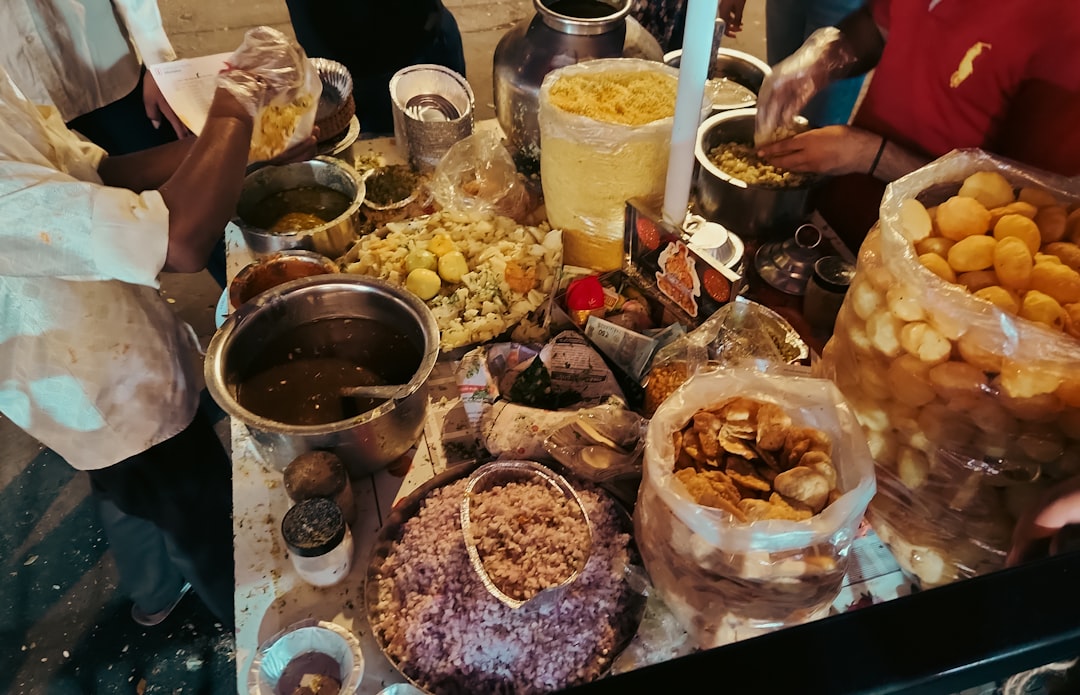
Have you ever planned an entire trip around a single dish? Or perhaps found yourself wandering through a bustling foreign market, completely captivated by the aromas and vibrant colors of local produce and street food? If so, you’re not alone! Food tourism has exploded, transforming how we experience the world. It’s no longer just about seeing the sights; it’s about tasting the culture, one incredible bite at a time. Join me as we dive into the latest trends, unmissable destinations, and essential tips to make your next food-focused adventure truly unforgettable! 😊
The Rise of Culinary Tourism: What’s Cooking in 2026? 🤔
Food tourism, or gastronomic tourism, has evolved from a niche interest into a mainstream travel motivator. Travelers are increasingly seeking authentic, immersive culinary experiences that go beyond typical restaurant dining. This trend is driven by a desire for deeper cultural understanding and a growing appreciation for local ingredients and traditional cooking methods.
Recent data indicates that the global food tourism market is experiencing robust growth. Projections suggest a Compound Annual Growth Rate (CAGR) of approximately 16-17% from 2023 to 2032, with the market value expected to reach significant figures. This growth highlights travelers’ increasing willingness to invest in unique food-related activities, from street food tours to Michelin-starred dining and farm-to-table experiences.
Sustainable food travel is also gaining traction. Look for restaurants and tours that prioritize local sourcing, minimize waste, and support local communities. This not only enhances your experience but also contributes positively to the destination.
Global Hotspots for Food Lovers: Where to Eat in 2026 📊
From bustling street food scenes to exquisite fine dining, certain cities consistently stand out for their culinary prowess. Here are some of the top destinations that should be on every food traveler’s radar in 2026:
- Tokyo, Japan: A perennial favorite, Tokyo offers an unparalleled diversity of dining, from humble ramen stalls to the highest concentration of Michelin-starred restaurants in the world. Don’t miss the Tsukiji Outer Market for fresh seafood and local snacks.
- Mexico City, Mexico: This vibrant metropolis is a culinary powerhouse, celebrated for its rich pre-Hispanic heritage blended with modern innovation. Explore the street food scene for tacos al pastor, tamales, and esquites, or indulge in world-class contemporary Mexican cuisine.
- Paris, France: The epitome of gastronomic elegance, Paris continues to enchant with its classic bistros, patisseries, and gourmet markets. Beyond the traditional, the city’s culinary landscape is constantly evolving with new international influences.
- Bangkok, Thailand: Famous for its incredible street food, Bangkok offers an explosion of flavors. From spicy curries to sweet mango sticky rice, every corner promises a delicious discovery. Don’t be afraid to try local favorites from street vendors!
- Lima, Peru: Often hailed as the gastronomic capital of South America, Lima boasts a unique fusion of indigenous, Spanish, African, and Asian influences. Experience ceviche, lomo saltado, and innovative dishes at acclaimed restaurants like Central and Maido.
When planning your culinary adventure, consider the type of dining experience you’re seeking and your budget. Some cities excel in affordable street food, while others are renowned for their high-end establishments.
Culinary Destination Snapshot: Budget vs. Experience
| Destination | Primary Culinary Focus | Typical Budget (per meal) | Unique Experience |
|---|---|---|---|
| Tokyo, Japan | Diversity (Street to Fine Dining) | $10 – $300+ | Omakase Sushi, Izakaya Hopping |
| Mexico City, Mexico | Street Food, Modern Mexican | $5 – $100+ | Taco Tours, Pujol Tasting Menu |
| Paris, France | Classic French, Patisserie | $15 – $250+ | Bistro Dining, Macaron Hunting |
| Bangkok, Thailand | Street Food, Thai Cuisine | $3 – $50+ | Floating Markets, Cooking Classes |
While adventurous eating is part of the fun, always prioritize food safety. Look for busy stalls with high turnover, observe hygiene practices, and trust your gut feeling. When in doubt, stick to bottled water.
Key Checkpoints: Don’t Forget These! 📌
Made it this far? Great! With so much to digest, here are the absolute essentials to remember for your next food adventure. Keep these three points in mind:
-
✅
Research is Your Best Friend
Before you go, dive into local food blogs, reputable review sites, and even social media to discover hidden gems and must-try dishes. -
✅
Embrace Local Experiences
Don’t shy away from street food or local markets. These are often where you’ll find the most authentic flavors and interact with local culture. -
✅
Stay Open-Minded and Adventurous
The best food memories often come from trying something new and unexpected. Be adventurous, but always prioritize safety and hygiene.
Restaurant Travel Hacks: Savoring Every Bite 👩💼👨💻
Beyond choosing your destination, knowing how to navigate the local food scene can elevate your trip. These practical tips will help you find the best eats and avoid common tourist traps.
- Go Where the Locals Go: This is perhaps the oldest and best advice. If a restaurant is packed with locals, it’s usually a good sign. Ask your hotel staff, tour guides, or even friendly shopkeepers for their personal recommendations.
- Utilize Local Review Platforms: While Yelp and TripAdvisor are global, many countries have their own popular review sites (e.g., Tabelog in Japan, TheFork in Europe). These can offer more authentic insights.
- Learn Key Phrases: A simple “delicious” (e.g., “oishii” in Japanese, “delicioso” in Spanish) or “thank you” in the local language can go a long way in enhancing your dining experience and connecting with locals.
- Consider Food Tours and Cooking Classes: These are fantastic ways to learn about local cuisine, discover hidden gems, and even pick up new cooking skills. Many tours focus specifically on street food or regional specialties.
- Make Reservations: For popular restaurants, especially fine dining, booking well in advance is crucial. Some high-demand spots might require reservations months ahead.
- Be Mindful of Dining Etiquette: Research local customs. For example, tipping practices vary widely, and in some cultures, it’s considered rude to leave food on your plate, while in others, it signifies you’ve had enough.
If you have dietary restrictions, learn how to clearly communicate them in the local language. Carry a translation card if necessary. This can prevent misunderstandings and ensure a safe and enjoyable meal.
Real-World Example: A Culinary Journey Through Vietnam 📚
Let’s imagine planning a 7-day food-focused trip to Vietnam, a country renowned for its incredible cuisine. Here’s how you might apply these tips:
Traveler’s Situation
- Goal: Experience authentic Vietnamese street food and regional specialties.
- Duration: 7 days, split between Hanoi and Ho Chi Minh City.
- Budget: Mid-range, with a focus on value and authenticity.
Planning Process
1) Research & Itinerary: Before departure, research iconic dishes like Pho, Banh Mi, Bun Cha (Hanoi), and Com Tam (Ho Chi Minh City). Identify highly-rated street food stalls and local eateries through blogs and Google Maps reviews. Book a street food tour for the first evening in Hanoi to get acquainted with the local scene.
2) Local Engagement: Upon arrival, ask hotel staff for their favorite local spots. Observe where locals eat during peak hours. Download a translation app for basic food-related phrases. Consider a cooking class in Hoi An (if time permits) to learn how to make spring rolls and other dishes.
3) Flexibility & Adventure: While having a plan, remain open to spontaneous discoveries. If a small, unassuming eatery catches your eye and seems popular, give it a try! Embrace the vibrant chaos of local markets.
Final Outcome
– Diverse Culinary Experiences: Enjoyed everything from piping hot bowls of Pho for breakfast to savory Banh Mi for lunch and flavorful Bun Cha for dinner. Discovered a fantastic local coffee shop.
– Authentic Cultural Immersion: Engaged with local vendors, learned about ingredients, and gained a deeper appreciation for Vietnamese food culture, far beyond what a typical tourist restaurant could offer.
This example illustrates how a combination of research, local engagement, and an adventurous spirit can transform a regular trip into a truly memorable culinary journey. The key is to be prepared but also willing to step outside your comfort zone.
Wrapping Up: Your Next Delicious Adventure Awaits! 📝
As we’ve explored, the world of food travel is richer and more exciting than ever. From the bustling markets of Bangkok to the elegant bistros of Paris, every destination offers a unique palate of flavors waiting to be discovered. By embracing current trends, knowing where to go, and utilizing smart travel tips, you’re well on your way to becoming a true culinary explorer.
So, what are you waiting for? Start planning your next gastronomic adventure today! Which destination is calling your taste buds? Share your dream food destinations and any personal tips in the comments below – I’d love to hear them! 😊