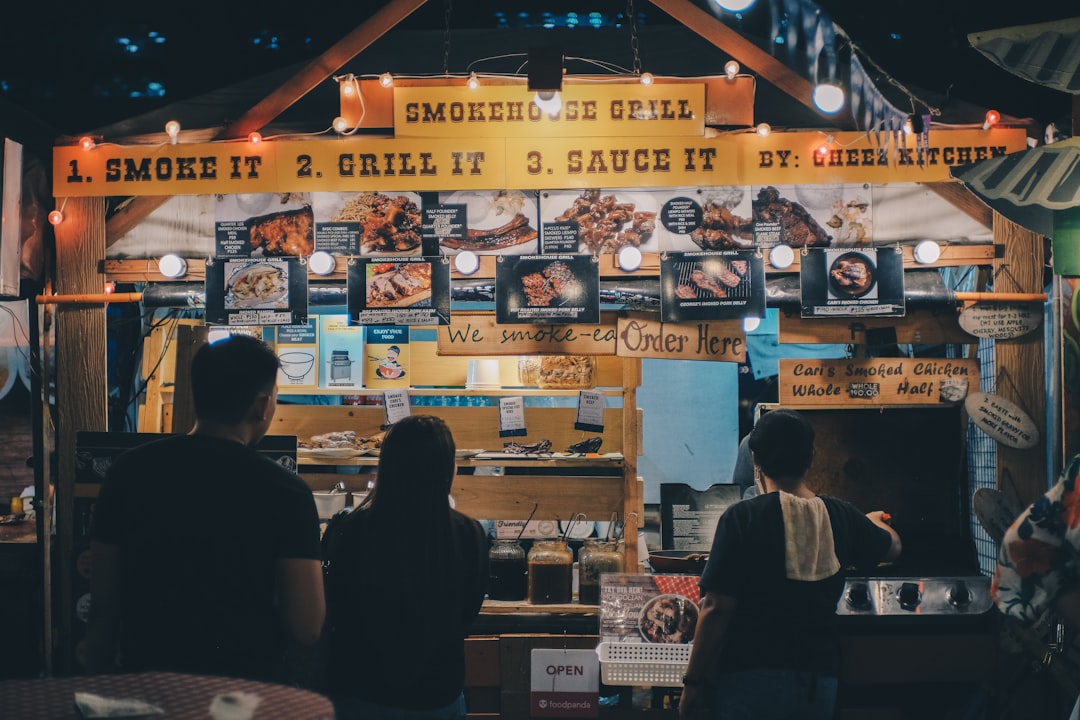
Have you ever found yourself planning a trip not just around sights, but around the next amazing meal? If so, you’re not alone! Culinary tourism is booming, transforming how we explore the world. It’s about more than just eating; it’s about connecting with culture, history, and identity through every bite. Ready to embark on your next delicious adventure? Let’s dive in! 😊
The Global Appetite: Why Food Travel is Hotter Than Ever 🔥
In 2026, food isn’t just an amenity; it’s a primary driver for global travel. Recent data highlights a significant shift: nearly 80% of global travelers now categorize food and beverage as important or very important when choosing a destination, putting it on par with pricing and location. On average, tourists are allocating a substantial 25% of their total travel budget specifically to food and beverages. This isn’t just about Michelin-starred dining; it’s about seeking authentic local experiences, with 66% of travelers most excited by street food.
The global culinary tourism market was estimated at USD 16.11 billion in 2025 and is projected to reach USD 19.06 billion in 2026, with an impressive compound annual growth rate (CAGR) of 21.9% from 2026 to 2033. This growth is fueled by a desire to explore new cultures through food, a trend amplified by social media platforms like Instagram and TikTok, which enable food enthusiasts to discover and share unique gastronomic destinations.
International tourist arrivals reached approximately 1.6 billion in 2025, surpassing the pre-COVID record of 1.5 billion (2019) for the first time. The industry is projected to contribute a record $11.7 trillion to the global economy in 2025, equivalent to 10.3% of world GDP.
Top Culinary Destinations for 2026: Where to Satisfy Your Cravings 📊
So, where should your culinary compass point in 2026? A host of cities and regions are making waves for their exceptional food scenes, offering everything from bustling street markets to refined fine dining experiences.
Global Foodie Hotspots to Watch
| Destination | Why It’s a Must-Visit for Foodies | Signature Dishes/Experiences |
|---|---|---|
| Tokyo, Japan | Boasts the most Michelin-starred restaurants globally, blending tradition with innovation. | Ramen, Sushi, Kaiseki, Izakaya dining, Yakitori, Takoyaki. |
| Bangkok, Thailand | A street food paradise with incredible depth and vibrant culinary culture. | Pad Thai, Green Curry, Boat Noodles, Mango Sticky Rice, Som Tum, Moo Ping skewers. |
| Mexico City, Mexico | One of the world’s most exciting food scenes, rich in bold flavors and ancient traditions. | Tacos al Pastor, Mole, Tlacoyos, Churros, Tamales, Elotes. |
| Venice, Italy | Experiencing a culinary renaissance with luxury hotel openings and restaurant renovations. | Lagoon cuisine, fresh seafood, cicchetti (Venetian tapas). |
| Lima, Peru | South America’s culinary capital, known for biodiversity and cultural fusion. | Ceviche, Ají peppers, inventive modern Peruvian cuisine. |
| Boston, USA | Recognized as a top food city in 2026, reinventing its seafood legacy with global influences. | New England shellfish, seasonal Mid-Atlantic ingredients, diverse immigrant traditions. |
Beyond these bustling metropolises, destinations like Okinawa, Japan, Sardinia, Italy, and Savoie, France are also gaining traction for their unique culinary offerings and natural beauty. In Asia-Pacific, the culinary tourism market holds the largest share, over 43.1% in 2025, driven by a growing desire for cultural exploration and authentic experiences.
While online reviews and social media are great for inspiration, always cross-reference information. Some highly-rated spots might be tourist traps, or even closed due to recent changes. Local food guides and asking locals for recommendations can lead to more authentic discoveries.
Core Culinary Travel Tips: Master Your Foodie Journey 📌
You’ve picked your destination, but how do you ensure an unforgettable food adventure? Here are the essential tips to make your culinary travels truly exceptional.
-
✅
Research Local Food Culture & Specialties
Before you even pack your bags, delve into the historical, social, and agricultural roots of your destination’s cuisine. This goes beyond restaurant reviews; it helps you navigate menus confidently and discover hidden gems. Make a list of authentic dishes and drinks you want to try! -
✅
Embrace Local Experiences: Street Food & Markets are Key
Travelers are increasingly prioritizing unique local experiences over traditional fine dining. Head to local markets to sample fresh produce and try street food. Consider a food tour on your first day to get acquainted with the local scene. -
✅
Connect with Locals & Consider Sustainable Choices
Talk to taxi drivers, tour guides, or Airbnb hosts for hidden gem recommendations. Also, consider sustainable food tourism practices: dine in restaurants that source ingredients locally, minimize food waste, and don’t shy away from vegetarian or vegan options.
The Rise of AI in Culinary Travel Planning 👩💼👨💻
Artificial intelligence is quietly revolutionizing how we plan our trips, including our food adventures. By 2026, AI agents are expected to mediate travel and dining decisions, offering hyper-relevant suggestions based on your preferences, budget, and dietary needs. Imagine an AI planning a Tokyo itinerary for a solo traveler interested in architecture and street food that’s completely different from one for a family seeking kid-friendly activities. This technology can cross-reference thousands of data points, from seasonal weather to local event calendars, to craft a coherent and personalized plan.
However, it’s worth noting that while 36% of travelers expect to use AI for planning in 2026, a clear majority remain cautious. Many travelers still prefer human judgment and independent verification, especially for complex or high-stakes trips. The key takeaway here is that AI is a powerful tool to enhance your planning, not replace your personal touch. It handles the tedious logistics, allowing you to focus on the experience itself.
Leverage AI tools for initial inspiration and to narrow down options, but always refine through conversation (with the AI or locals!) and independent research to ensure your trip truly reflects your desires.
Real-World Example: Crafting a Sustainable Foodie Itinerary for Italy 📚
Let’s imagine you’re planning a culinary trip to Italy, a country where the Slow Food and farm-to-table movements deeply influence its culinary landscape. You want to experience authentic flavors while being mindful of sustainability.
The Foodie’s Situation
- Goal: Experience authentic Italian cuisine with a focus on local, seasonal, and sustainable practices.
- Destinations: Venice (for its unique lagoon cuisine), Tuscany (for agritourism and wine), and a region known for food festivals.
Planning Process
1) Research Food Festivals: Look for events like the Cheese Festival in Turin or the Terre Madre Slow Food Fest in Italy, often held between September and October. These offer immersive experiences in local culinary traditions.
2) Prioritize Agriturismi: In Tuscany, book stays at “agriturismo” farms, which promote sustainable, locally sourced ingredients and offer authentic rural experiences. Many offer cooking classes, allowing you to learn traditional dishes firsthand.
3) Seek Local Recommendations: In Venice, instead of only tourist-heavy restaurants, ask locals for their favorite cicchetti bars or seafood trattorias that source from the Venetian lagoon. This ensures fresh, seasonal ingredients and supports local businesses.
Expected Outcome
– Authentic Tastes: Enjoy regional specialties and dishes made with hyper-local, seasonal ingredients.
– Cultural Immersion: Connect with Italian culinary traditions through hands-on experiences and interactions with local producers.
This approach allows for a rich, flavorful journey that not only satisfies your palate but also respects the local culture and environment. It’s about being an intentional traveler, savoring every moment and every meal.
Wrapping Up Your Culinary Quest 📝
Culinary travel in 2026 is more exciting and accessible than ever before. With global tourism continuing its robust recovery and food becoming a central pillar of the travel experience, there’s never been a better time to plan your next delicious adventure. From the bustling street food stalls of Bangkok to the refined dining of Tokyo and the emerging culinary scenes of cities like Boston, the world is truly your oyster – or perhaps, your taco, ramen, or ceviche!
Remember, the best food experiences often lie off the beaten path, found through local recommendations, immersive tours, and a willingness to explore. So, pack your bags, bring your appetite, and prepare to create unforgettable memories, one bite at a time. What culinary destination is calling your name next? Let me know in the comments below! 😊
Culinary Travel Snapshot 2026
Frequently Asked Questions ❓