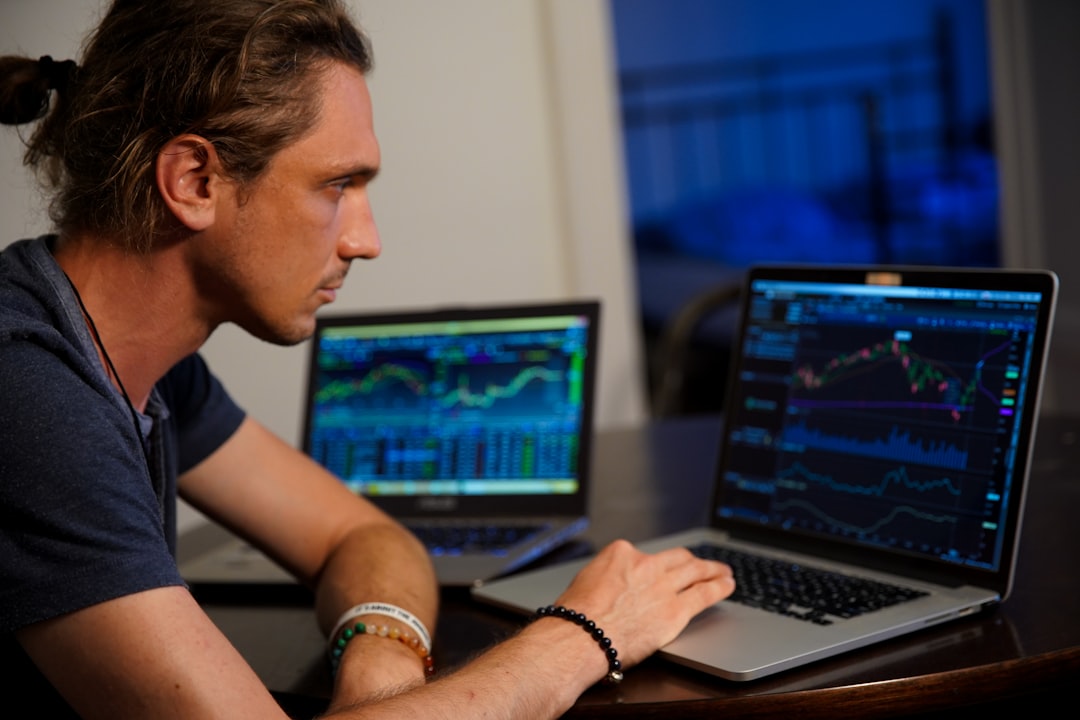
Have you ever dreamt of making quick profits from the stock market, capitalizing on rapid price movements within a single trading day? Day trading, while exhilarating, is a high-stakes game that demands discipline, knowledge, and a robust strategy. As we navigate 2026, the financial landscape continues to evolve, presenting both exciting opportunities and significant challenges for day traders. This guide will delve into the intricacies of day trading, offering you a professional yet accessible overview of what it takes to succeed in today’s dynamic markets. Ready to explore a path to potential profit? Let’s dive in! 😊
What Exactly is Day Trading? 🤔
Day trading is a speculative trading strategy where a trader buys and sells financial instruments within the same trading day. The goal is to profit from small price fluctuations, often involving multiple trades throughout the day. Unlike long-term investors, day traders close all positions before the market closes to avoid overnight risks associated with price gaps or news events. This fast-paced approach requires constant monitoring of market conditions and quick decision-making.
To succeed, day traders typically rely on technical analysis, using charts and indicators to identify patterns and predict short-term price movements. They also pay close attention to market news, economic reports, and company announcements that can trigger volatility. While the allure of quick profits is strong, it’s crucial to understand that day trading is inherently risky and not suitable for everyone.
Day trading is distinct from long-term investing. It focuses on short-term market inefficiencies and volatility, aiming for small, frequent gains rather than significant long-term capital appreciation.
The Dynamic Landscape of Day Trading in 2026 📊
The year 2026 is shaping up to be a fascinating period for financial markets, with several key trends impacting day traders. The AI supercycle continues to be a dominant force, driving significant earnings growth (estimated 13-15% for the S&P 500 over the next two years) and influencing market dynamics. This technological advancement is not only fueling optimism but also amplifying market polarization and concentration.
Globally, we’re seeing expectations for synchronized growth, supported by easing trade tensions, a rebound in manufacturing, and the delayed effects of global monetary easing. However, central banks are likely to remain cautious due to sticky inflation, which could lead to continued market volatility. For day traders, this means a market environment rich with opportunities for short-term movements, but also one that demands heightened awareness and adaptability.
Key Market Trends & Their Impact on Day Trading
| Trend | Description | Day Trading Impact | Relevance |
|---|---|---|---|
| AI Supercycle | Continued investment and innovation in Artificial Intelligence. | Increased volatility in tech stocks, potential for rapid price swings. | High-growth sectors, but also higher risk. |
| Regulatory Shifts | FINRA’s proposed rule changes to the Pattern Day Trader (PDT) rule. | Potential elimination of the $25,000 minimum equity requirement, opening doors for more retail traders. | Could increase retail participation and market liquidity. |
| Market Polarization | AI amplifying “winner-takes-all” dynamics and market concentration. | Focus on a few dominant stocks, requiring careful selection and timing. | Risk of sharp swings in broad sentiment measures. |
| Technological Advancements | Widespread access to real-time data, AI-assisted analysis, and automated systems. | Faster decision-making, reduced slippage, and emotionless risk management. | Essential for competitive edge; requires continuous learning. |
While the potential elimination of the $25,000 Pattern Day Trader (PDT) rule might seem like an opportunity for smaller accounts, remember that day trading still carries significant risk. The success rate remains low, with only about 4% of day traders making a living from it.
Key Checkpoints: What You Must Remember! 📌
Have you followed along well so far? Since this article is quite extensive, I’ll highlight the most crucial points you absolutely need to remember. Please keep these three things in mind:
-
✅
Day Trading is High Risk, Low Success Rate.
Despite the allure, only a small percentage (around 1-4%) of day traders achieve consistent long-term profitability. -
✅
Regulatory Changes are Coming.
The potential elimination of the PDT rule’s $25,000 minimum could open doors for more retail traders, but doesn’t negate the inherent risks. -
✅
Technology and AI are Game Changers.
Leveraging advanced platforms and AI-driven tools is becoming crucial for competitive edge, enabling faster, data-driven decisions.
Essential Tools and Strategies for Success 👩💼👨💻
To navigate the fast-moving day trading environment of 2026, having the right tools and a well-defined strategy is paramount. Advanced trading platforms are now more accessible than ever, offering features like real-time data, sophisticated charting tools, and automated execution. Top platforms for day trading in 2026 include Charles Schwab (thinkorswim), Interactive Brokers IBKR Pro, Fidelity, E*TRADE, Webull, and Vantage, each offering unique strengths for different trader profiles.
Beyond platforms, a solid understanding of various trading patterns is essential. These patterns, such as Head and Shoulders, Double Top & Bottom, Flag patterns, and Breakout patterns, help traders predict potential market movements. Combining these patterns with volume analysis and other indicators can significantly improve trade accuracy.
The integration of AI in trading is no longer a futuristic concept. AI-driven systems can handle vast amounts of data, make faster decisions, and manage risk without emotional bias, offering a significant advantage. Consider exploring platforms that incorporate AI-assisted analysis to enhance your trading edge.
Practical Example: A Momentum Day Trade 📚
Let’s walk through a hypothetical day trade using a momentum strategy, a common approach for capturing quick price movements. This example illustrates the decision-making process, but remember, real-world trading involves more variables and risks.
Trader’s Scenario
- Trader: Alex, an experienced day trader.
- Capital: $30,000 (meeting the current PDT rule, though this may change soon).
- Strategy: Momentum trading on a high-volume tech stock.
- Date: January 27, 2026
Trading Process
1) Pre-Market Analysis: Alex identifies “TechCo Inc.” (TCI) as a potential candidate. TCI announced better-than-expected earnings pre-market, causing a 5% jump in pre-market trading volume and price.
2) Market Open & Entry: At market open, TCI shows strong bullish momentum, breaking above its pre-market high. Alex enters a long position at $100 per share, buying 300 shares (total $30,000). He sets a stop-loss at $99 (1% risk) and a target price at $102 (2% gain).
3) Price Action & Exit: TCI continues its upward trend, reaching $101.50 within 15 minutes. Alex observes a slight slowdown in momentum and increased selling pressure. To protect profits, he adjusts his stop-loss to $101. After another 10 minutes, TCI hits $102. Alex exits his position, selling all 300 shares.
Final Result
– Entry Price: $100 per share
– Exit Price: $102 per share
– Shares Traded: 300
– Gross Profit: ( $102 – $100 ) * 300 = $600
– Net Profit: $600 – (Commissions & Fees) = Approximately $590 (assuming $10 in fees)
This example demonstrates how a day trader can capitalize on short-term market movements. However, it’s crucial to remember that losses are also a common outcome. Alex’s success here relied on quick execution, strict risk management (the stop-loss), and a clear understanding of market momentum. Without these, the outcome could have been very different.
Conclusion: Summarizing Key Insights 📝
Day trading in 2026 is a complex but potentially rewarding endeavor. We’ve explored the foundational concepts, the evolving market trends driven by AI and regulatory shifts, and the essential tools and strategies needed to navigate this fast-paced world. While the allure of quick profits is undeniable, the statistics clearly show that consistent success is rare and requires immense dedication, continuous learning, and stringent risk management.
Remember, the upcoming changes to the PDT rule could lower the barrier to entry, but they do not lower the inherent risks. Embrace technology, understand market patterns, and always prioritize protecting your capital. If you’re considering day trading, start with a demo account, educate yourself thoroughly, and never risk more than you can afford to lose. Your journey to becoming a successful day trader is a marathon, not a sprint. Do you have any questions or insights to share? Feel free to leave a comment below! 😊
Day Trading 2026: Quick Takeaways
Frequently Asked Questions ❓
Copyright © 2025 QHost365.com ®