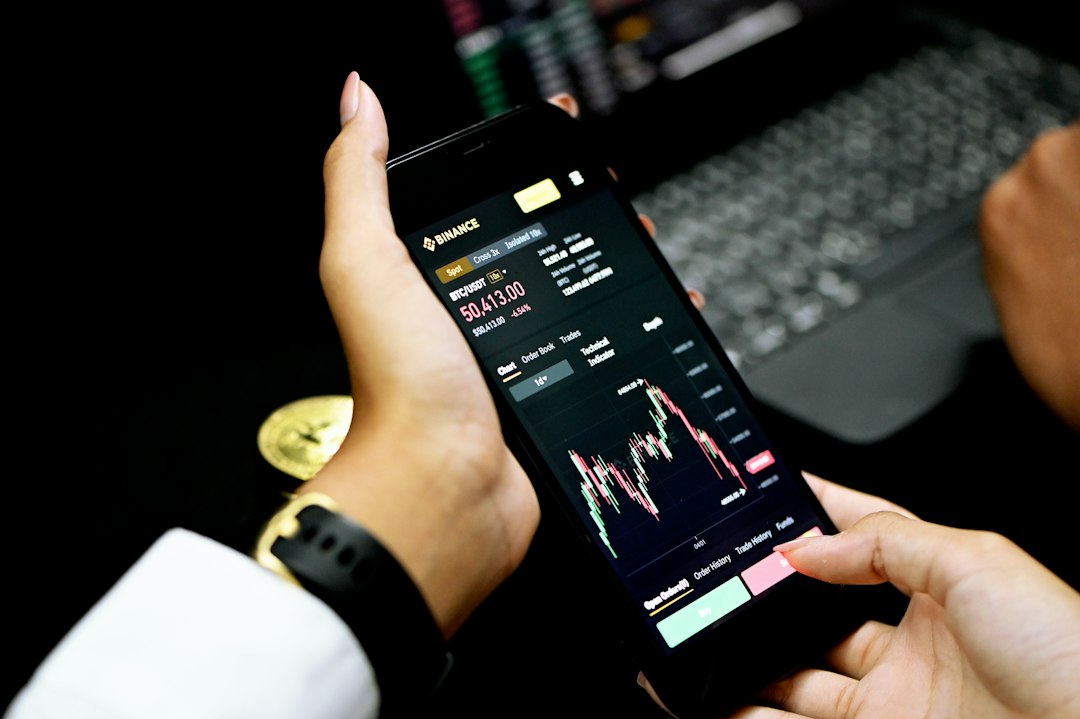
Have you ever felt the thrill of the market, the rapid shifts, and wondered if there’s a way to capitalize on those fleeting moments? I know I have! In the fast-paced world of foreign exchange, opportunities emerge and disappear in the blink of an eye. For many traders, the idea of holding positions for days or weeks feels like an eternity. What if you could make numerous small, consistent profits throughout the day, rather than waiting for massive trends? That’s where forex scalping comes in, and in 2026, it’s more relevant than ever. Let’s explore how to make these micro-movements work for you! 😊
What Exactly is Forex Scalping? 🤔
Forex scalping is a short-term trading strategy where traders aim to profit from minor price fluctuations in currency pairs. Unlike swing traders or position traders who hold trades for hours, days, or even weeks, scalpers open and close multiple positions within seconds or minutes. The goal isn’t to capture large price swings, but rather to accumulate many small profits that, over time, can add up to substantial gains.
Think of it like this: instead of waiting for a big fish, a scalper casts their net many times to catch numerous small fish. This high-frequency approach often utilizes very low timeframes, typically 1-minute or 5-minute charts, to identify and exploit fleeting market inefficiencies and momentum shifts.
In 2026, technological advancements like faster platforms, tighter spreads, and improved execution speeds have made scalping more accessible to retail traders. This means more individuals are looking to capitalize on quick market movements without extended exposure.
Why Scalping Attracts Traders: Benefits and Risks 📊
Scalping has a magnetic appeal, and for good reason. One of the primary advantages is the ability to generate quick profits. By targeting small movements of just a few pips, scalpers can see immediate feedback on their trades.
Another significant benefit is reduced market exposure. Since trades are open for such short durations, the risk of being negatively impacted by sudden, large price movements or adverse market events is significantly lessened. This flexibility also means scalping can be effective in both volatile and less volatile markets.
The Flip Side: Risks to Consider
| Aspect | Benefit | Risk | Note |
|---|---|---|---|
| Profit Potential | Numerous small gains can accumulate quickly. | Small profits can be easily eroded by costs. | Requires high trade volume and precision. |
| Market Exposure | Reduced risk from long-term market events. | Still vulnerable to sudden, short-term spikes. | Strict stop-loss is crucial. |
| Transaction Costs | Lower capital per trade compared to swing trading. | High cumulative costs from spreads, commissions, and slippage. | Choose brokers with tight spreads and fast execution. |
| Psychological Impact | Immediate feedback on trades. | Highly stressful and prone to over-trading. | Requires extreme discipline and emotional control. |
In 2026, the retail CFD and OTC forex market continues to see a majority of accounts losing money. This underscores the critical importance of a well-defined strategy and disciplined risk management, especially in a high-frequency approach like scalping.
Key Checkpoints: Remember These Essentials! 📌
You’ve made it this far! With so much information, it’s easy to forget the crucial details. Let’s recap the most important takeaways you absolutely need to remember about forex scalping.
-
✅
Scalping is about small, frequent gains.
Don’t aim for huge profits on single trades; consistency across many small trades is the key to long-term success. -
✅
Discipline and fast execution are non-negotiable.
Emotional control, strict adherence to your strategy, and a reliable broker are vital to minimize risks and capitalize on fleeting opportunities. -
✅
Technological advancements are shaping the scalping landscape.
Leverage modern platforms, low-latency execution, and consider automation to enhance your scalping strategy in 2026.
A Popular Scalping Strategy: 1-Minute Chart with MAs and Stochastic 👩💼👨💻
One of the most widely discussed and implemented scalping strategies revolves around the 1-minute chart, combining Moving Averages (MAs) and a Stochastic Oscillator. This approach aims to identify short-term momentum and potential reversals, making it ideal for quick entries and exits.
Here’s a breakdown of the typical setup:
- Timeframe: 1-minute chart.
- Indicators:
- Exponential Moving Averages (EMAs): Often a fast EMA (e.g., 5 or 8 periods) and a slow EMA (e.g., 15 or 20 periods). These help identify short-term trends and dynamic support/resistance.
- Stochastic Oscillator: Typically with settings like (14, 3, 3) or (5, 3, 3). This momentum indicator helps pinpoint overbought/oversold conditions and potential reversals.
While technical indicators are powerful, they shouldn’t be treated as standalone signals. Always use them in conjunction with price action and consider overall market conditions for better confirmation.
Real-World Example: A 1-Minute Scalping Scenario 📚
Let’s walk through a hypothetical trade using the 1-minute chart strategy with EMAs and a Stochastic Oscillator. Imagine you’re trading the EUR/USD pair during the highly liquid London session, which is known for its volatility and tight spreads.

Trader’s Situation
- Currency Pair: EUR/USD
- Timeframe: 1-minute chart
- Indicators: 8-period EMA (fast), 20-period EMA (slow), Stochastic Oscillator (5, 3, 3)
- Market Condition: Moderate volatility, slight uptrend on higher timeframes.
Trading Process
1) Identify Cross: The 8-period EMA crosses above the 20-period EMA, indicating potential upward momentum. This is a buy signal.
2) Confirm with Stochastic: Simultaneously, the Stochastic Oscillator lines cross upwards from below the 20 level (oversold territory), and both lines are heading towards the 50 level. This confirms buying pressure.
3) Entry: Enter a ‘buy’ trade immediately after the candle closes, confirming both indicator signals.
4) Set Stop Loss: Place a tight stop-loss just below the recent swing low or below the 20-period EMA to manage risk effectively (e.g., 5-7 pips).
5) Set Take Profit: Target a small profit (e.g., 8-10 pips) or exit when the fast EMA crosses back below the slow EMA, or when the Stochastic reaches the overbought (80) level and starts to turn down.
Final Result
– Outcome: The price moves up by 9 pips within the next 3 minutes, hitting the take-profit target.
– Lessons Learned: Quick execution and adherence to stop-loss/take-profit levels are crucial. The combination of trend and momentum indicators provides stronger signals.
This example illustrates how precise entry and exit points, coupled with strong risk management, are the hallmarks of successful scalping. Remember, not every trade will be a winner, but the goal is to have a high win rate with small, manageable losses.
Wrapping Up: Your Scalping Journey Awaits 📝
Forex scalping, while demanding, offers a thrilling path to potentially consistent profits for those with the right mindset and tools. In 2026, the FX market is more dynamic than ever, with geopolitical tensions driving volatility and algorithmic trading shaping market behavior. This environment can be a scalper’s playground, but it demands vigilance and adaptability.
Embrace discipline, master your chosen strategy, and always prioritize risk management. With a solid understanding of the market and a robust trading plan, you can confidently navigate the fast currents of forex scalping. Got questions or your own scalping tips? Share them in the comments below – I’d love to hear from you! 😊