
Have you ever poured your heart and soul into a blog post, only to see it languish on page two (or worse!) of Google’s search results? It’s a frustrating experience many content creators face. In the ever-evolving digital landscape, getting your valuable content seen requires more than just good writing; it demands a strategic approach to Search Engine Optimization (SEO). Especially in 2026, with the rapid advancements in AI and constant algorithm updates, staying ahead of the curve is crucial. This guide will equip you with the latest, most effective strategies to get your blog posts ranking high on Google, ensuring your voice is heard. Let’s dive in! 😊
Understanding Google’s Algorithm & Modern SEO Basics 🤔
Google’s mission remains simple: to organize the world’s information and make it universally accessible and useful. However, how it achieves this is constantly evolving. In 2026, the algorithms are more sophisticated than ever, prioritizing helpful, reliable, and people-first content. Recent updates, like the March 2026 Core Algorithm Update, continue to refine how content quality is evaluated, moving visibility towards official sources, established brands, and specialist platforms.
A key framework that has become paramount is E-E-A-T: Experience, Expertise, Authoritativeness, and Trustworthiness. Google uses this to assess the credibility of content, especially with the rise of AI-generated content. Demonstrating genuine, lived experience with your topic is now a powerful way to differentiate your content from AI-written material.
In 2026, SEO is no longer solely about ranking on a search results page; it’s about achieving visibility within AI-generated answers and citations, often appearing as “AI Overviews” at the top of search results.
Keyword Research: The Foundation of Visibility 📊
While AI is redefining keyword research, it remains the bedrock of any successful SEO strategy. In 2026, the focus has shifted from mere keyword density to understanding user intent and semantic relevance. Instead of targeting individual keywords, content is now structured around topic clusters and related search intents.
Long-tail keywords are more important than ever, as they target highly specific queries and attract users who already know what they want, leading to higher engagement and conversions. Tools leveraging AI and predictive analytics are now essential for identifying emerging trends and nuanced keyword strategies.
Evolution of Keyword Research in 2026
| Aspect | Traditional Approach (Pre-2024) | Modern Approach (2026) | Impact on Ranking |
|---|---|---|---|
| Focus | High-volume, broad keywords | User intent, long-tail, semantic relevance | Higher conversion rates, targeted traffic |
| Tools | Basic keyword planners | AI-powered analytics, trend-tracking, intent-revealing tools | Proactive content planning, competitive edge |
| Strategy | Keyword density, individual pages | Topical authority, content clusters, answer-first content | Signals expertise, improves AI citation potential |
| Visibility Goal | Top 10 organic links | AI Overviews, generative search citations, organic links | Broader reach, direct answers to user queries |
Avoid keyword stuffing! Google’s algorithms are adept at detecting unnatural keyword usage, and it can negatively impact your rankings. Focus on natural language and providing genuine value.
Key Checkpoints: This is What You MUST Remember! 📌
You’ve made it this far! With all this information, it’s easy to forget the most crucial points. Let’s recap the three things you absolutely need to keep in mind.
-
✅
E-E-A-T is Your North Star:
Demonstrate genuine Experience, Expertise, Authoritativeness, and Trustworthiness in every piece of content to satisfy Google’s core quality signals and stand out in AI Overviews. -
✅
Intent-Driven Keyword Research:
Move beyond simple keywords and focus on understanding the “why” behind user queries, targeting long-tail phrases and building topical authority through content clusters. -
✅
Optimize for AI Visibility:
Structure your content for extractability, verifiability, and contextual clarity to increase your chances of being cited in Google’s AI Overviews, which are increasingly defining search visibility.
On-Page Optimization Beyond the Basics 👩💼👨💻
Beyond keywords, on-page SEO encompasses a range of elements that tell Google what your content is about and how valuable it is to users. High-quality, unique, and fresh content is paramount. It should be comprehensive, answering user questions thoroughly, and ideally between 1,500-2,500 words for informational posts.
**Content Structure and Readability:** Use clear headings (H1 for your main title, H2s for major sections, H3s for subsections) to create a scannable structure. Employ succinct paragraphs, bullet points, and bold text to highlight key information, making it easy for readers to consume.
**Technical On-Page Elements:**
- **Meta Titles & Descriptions:** Craft compelling, keyword-rich meta titles and descriptions (under 160 characters) to entice clicks from the SERP.
- **URL Structure:** Keep URLs concise, relevant, and include primary keywords, avoiding stop words.
- **Image Optimization:** Use descriptive alt text for all images to improve accessibility and search engine indexing. Compress images to ensure fast page loading speeds.
- **Internal Linking:** Strategically link to relevant internal articles using descriptive anchor text. This builds topical authority and helps distribute link equity across your site.
- **Structured Data (Schema Markup):** Implement schema markup to enable rich snippets in search results, increasing your visibility and click-through rates.
Core Web Vitals remain a critical ranking factor in 2026. Google now holistically evaluates Largest Contentful Paint (LCP), Interaction to Next Paint (INP), and Cumulative Layout Shift (CLS). Websites that are fast, responsive, stable, and mobile-optimized will be prioritized.
Building Authority with Off-Page SEO & E-E-A-T 📚
Off-page SEO primarily revolves around building authority and trust signals for your website, with backlinks being a significant component. In 2026, the focus is on quality, relevance, and authenticity over sheer quantity. Google’s algorithms are better at devaluing manufactured or out-of-context links.
**Effective Backlink Strategies for 2026:**
- **High-Quality Content Creation:** Create valuable, in-depth content (e.g., detailed guides, original research, case studies) that others naturally want to reference and link to. This is the strongest way to earn editorial backlinks.
- **Digital PR and Outreach:** Connect with journalists, bloggers, and industry influencers to promote your content and earn mentions from trusted websites.
- **Unlinked Brand Mentions:** Monitor for mentions of your brand online that don’t include a link. A simple outreach email can often convert these into valuable backlinks.
- **Partnerships and Collaborations:** Leverage existing relationships and form new partnerships to gain backlinks and brand mentions.
- **Niche-Relevant Link Building:** Prioritize obtaining links from websites related to your industry to enhance relevance and authority.
**E-E-A-T and Off-Page Signals:** E-E-A-T extends beyond your website. Consistent mentions, backlinks, and citations from respected sources contribute to your perceived authority and trustworthiness. This is crucial for both traditional search and for being cited in AI Overviews.
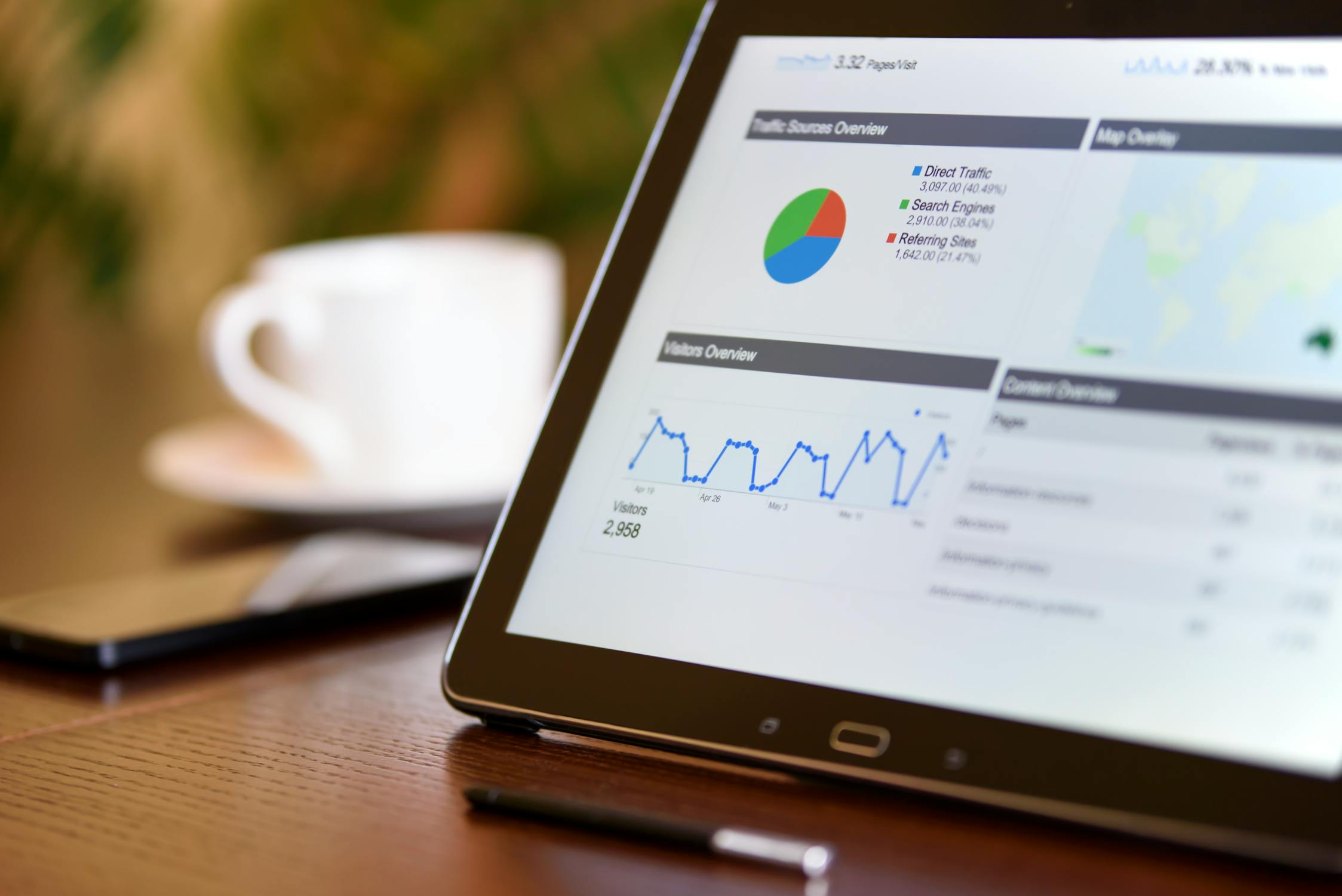
Crafting compelling content is just the beginning; strategic off-page SEO amplifies its reach.
Real-World Example: Boosting “GreenThumb Gardening” Rankings 🌿
Let’s imagine a blog called “GreenThumb Gardening” that was struggling with visibility despite publishing great content. Here’s how they applied 2026 SEO strategies:
GreenThumb’s Situation
- **Problem:** High-quality articles on organic gardening, but low organic traffic.
- **Initial Strategy:** Focused on broad keywords like “gardening tips,” leading to high competition.
- **E-E-A-T Score:** Low, as author bios were generic, lacking specific gardening experience.
Implementation Process
1) **E-E-A-T Enhancement:** Updated author bios to highlight decades of gardening experience, certifications, and real-world project photos. Added a “Meet Our Gardeners” page with detailed credentials.
2) **Keyword Refinement:** Shifted from broad terms to long-tail, intent-driven keywords like “best organic pest control for tomatoes in humid climates” or “DIY vertical herb garden for small apartments.” Used AI-powered tools to identify emerging trends in sustainable gardening.
3) **Content Overhaul:** Restructured existing articles into comprehensive guides and topic clusters. For example, a “Tomato Care” pillar page linked to detailed articles on specific diseases, watering techniques, and harvesting tips. Added interactive infographics and short video tutorials.
4) **Backlink Acquisition:** Initiated digital PR by reaching out to local news outlets and gardening forums with their unique research on drought-resistant plants. Reclaimed unlinked brand mentions from gardening communities.
Final Results (6 Months Later)
– **Organic Traffic:** Increased by 180%, with a significant portion coming from long-tail queries.
– **AI Overview Citations:** “GreenThumb Gardening” was cited in 5 new Google AI Overviews for specific, high-intent gardening questions.
This case demonstrates that by strategically focusing on E-E-A-T, user intent, and modern optimization techniques, even established blogs can achieve significant ranking improvements in the competitive 2026 search landscape.
Wrapping Up: Key Takeaways 📝
The world of Google rankings in 2026 is dynamic, driven by AI, evolving user expectations, and a continuous push for quality and trustworthiness. To succeed, your blog content must not only be well-written but also strategically optimized for how modern search engines and AI systems interpret and present information. This means prioritizing genuine experience (E-E-A-T), understanding deep user intent, and building a robust technical and authoritative presence.
By embracing these strategies, you’re not just chasing algorithms; you’re creating truly valuable content that resonates with your audience and establishes your brand as a trusted voice. The journey to the top of Google search is ongoing, but with consistent effort and the right approach, your blog posts can achieve the visibility they deserve. Got more questions or your own success stories? Feel free to share them in the comments below! 😊
2026 SEO Success Snapshot
Frequently Asked Questions ❓