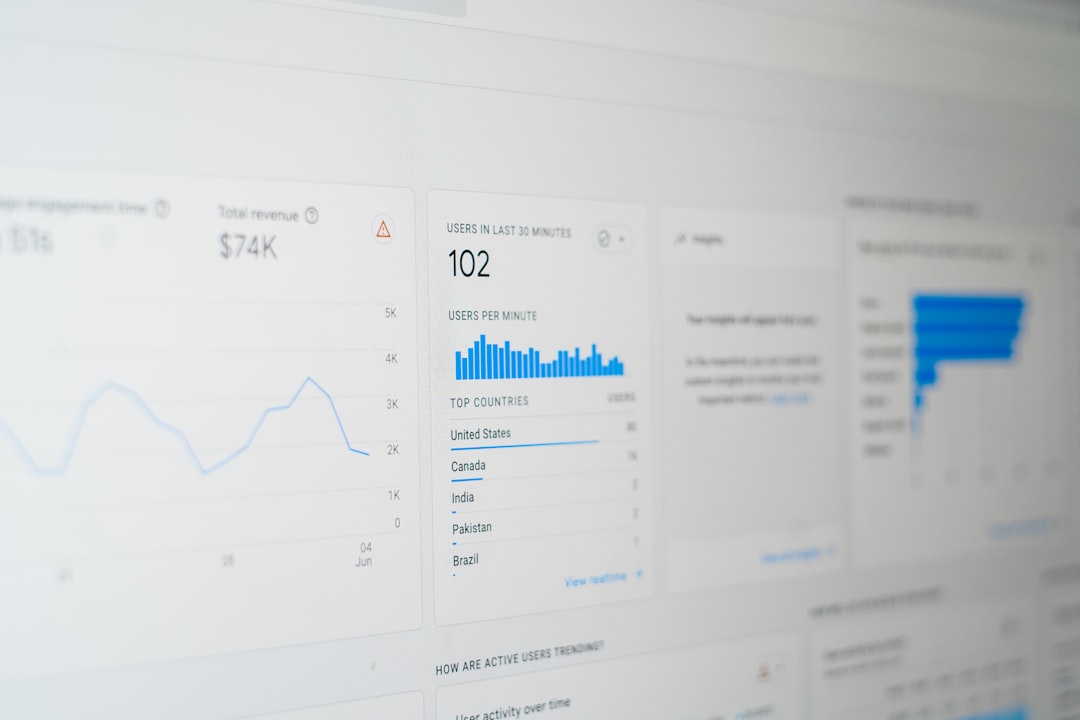
Navigating the world of Google SEO can feel like trying to hit a moving target, especially with the rapid pace of change we’ve seen in recent years. If you’re a blogger, you know the struggle: you pour your heart into creating amazing content, but if Google can’t find it, neither can your audience. The good news? While the landscape is shifting, the core principles of creating valuable content for real people remain your strongest asset. Today, we’re diving deep into what it takes to master Google SEO for your blog in 2026, armed with the freshest insights and actionable strategies. Ready to future-proof your blog? Let’s go! 😊
The Evolving Search Landscape: More Than Just Keywords 🤔
In 2026, Google’s algorithms are smarter and more nuanced than ever before. Gone are the days when simply stuffing keywords would guarantee a top spot. Today, search engines prioritize understanding user intent, assessing content quality, and evaluating the overall user experience. This means your SEO strategy needs to be holistic, focusing on genuinely helpful and authoritative content rather than just technical tricks. The search landscape is no longer just about “ranking a page” but about earning visibility across every discovery surface, including AI-generated answers.
One of the most significant shifts is Google’s continuous integration of quality evaluation into its core systems, moving away from isolated updates. This means sites are continuously reassessed, and improvements take time to reflect. The March 2026 Core Algorithm Update, for instance, was noted as one of the most volatile, with significant ranking shifts, reinforcing Google’s focus on genuinely useful, relevant, and user-aligned content.
According to a March 2026 report, 68% of online experiences begin with a search engine, and 91% of marketers report a positive ROI from SEO. This highlights SEO’s continued effectiveness as a marketing channel.
E-E-A-T: The Cornerstone of Credibility 📊
If you’re serious about blog SEO, you absolutely need to understand and implement E-E-A-T. Standing for Experience, Expertise, Authoritativeness, and Trustworthiness, E-E-A-T is Google’s framework for assessing content quality. It’s not a direct ranking factor, but it’s a guiding principle that helps Google interpret quality signals and prioritize trustworthy information. The “Experience” component was added in December 2022, emphasizing firsthand, real-world knowledge, which has become particularly critical in combating the flood of AI-generated content.
In 2026, E-E-A-T applies to virtually all content, not just “Your Money Your Life” (YMYL) topics. Google’s algorithms actively identify and reward content created by individuals with demonstrated first-hand experience in their subject matter. This means showcasing your unique perspective, personal stories, and genuine insights is more valuable than ever. Strong E-E-A-T builds a reputation for quality and reliability, leading to organic growth over time.
Key Elements of E-E-A-T for Bloggers
| Element | Description | Blog Implementation | Why it Matters (2026) |
|---|---|---|---|
| Experience | First-hand knowledge or real-world involvement in a topic. | Share personal anecdotes, case studies, original research, and unique perspectives. | Combats AI-generated content, adds authenticity that algorithms can’t replicate. |
| Expertise | Specialized knowledge or skills in a particular field. | Display author bios with credentials, link to professional profiles (LinkedIn). | Signals subject matter authority, crucial for “people-first” content. |
| Authoritativeness | Recognition as a trusted source within your industry. | Earn high-quality backlinks, get mentions from reputable sites, cite primary research. | Builds brand reputation, indicates industry recognition to Google. |
| Trustworthiness | The accuracy, transparency, and credibility of your content and site. | Provide clear contact info, privacy policies, regularly update content, fix broken links. | Ensures users (and Google) can rely on your information, especially for YMYL topics. |
While AI tools can assist with content creation, Google’s Helpful Content System (now part of its core ranking system) strongly de-emphasizes content created primarily for search engines rather than humans. Avoid using AI to mass-produce generic or templated content that lacks genuine insight.
Key Checkpoints: This is What You Must Remember! 📌
Have you been following along well? The article is long, so here’s a recap of the most important takeaways. Please remember these three things:
-
✅
Prioritize People-First Content with E-E-A-T
Google’s algorithms are increasingly rewarding content that demonstrates real-world experience, expertise, authoritativeness, and trustworthiness, created primarily to help human users. -
✅
Optimize for User Experience and Technical Health
Core Web Vitals, especially INP, are critical for mobile performance. A fast, stable, and interactive site keeps users engaged and signals quality to Google. -
✅
Adapt to AI-Driven Search and Embrace Topic Clusters
Beyond traditional rankings, aim to be cited by AI Overviews (SGE) and organize your content into comprehensive topic clusters that demonstrate topical authority.
Core Web Vitals & Technical SEO: The Foundation of User Experience 👩💼👨💻
Even the most brilliant content won’t rank if your site is slow or difficult to use. Core Web Vitals (CWV) remain crucial for SEO in 2026, serving as Google’s primary metrics for measuring real user experience. These performance signals – Largest Contentful Paint (LCP), Interaction to Next Paint (INP), and Cumulative Layout Shift (CLS) – directly influence how search engines evaluate page quality.
A significant update for 2026 is the replacement of First Input Delay (FID) with Interaction to Next Paint (INP) as the responsiveness metric. INP measures the full time until a visual response appears after an interaction, providing a more complete picture of how responsive your site feels to users. Google has also refined its measurement methodologies and placed a heavier emphasis on mobile performance, as over 60% of web traffic now comes from mobile devices. Optimizing for CWV means faster loading, smoother interactions, and stable visuals, which not only pleases Google but, more importantly, keeps your readers happy!
Poor INP scores (above 300ms) can cause significant traffic drops, particularly on mobile devices. Regularly audit your site’s performance using tools like Google PageSpeed Insights and Search Console.
Embracing AI and Topic Clusters: The Future of Content 📚
The rise of generative AI is fundamentally reshaping how users search and consume information. Google’s AI Overviews (SGE) are now delivering comprehensive, conversational summaries directly within search results, often reducing the need for users to click through to external websites. This shift means that being referenced and cited by AI systems is becoming just as important as ranking in the traditional “blue links”. Optimizing for these AI-powered search engines is known as Generative Engine Optimization (GEO).
To thrive in this new environment, bloggers should focus on creating comprehensive, in-depth content that aligns with user intent and demonstrates topical authority. This leads us to the concept of topic clusters. Instead of targeting individual keywords, organize your content around broad topics (pillar pages) supported by numerous related articles (cluster content). This not only helps Google understand your expertise in a subject but also improves internal linking and user navigation.
Case Study: Boosting Visibility with Topic Clusters
- Situation: A health and wellness blog struggled to rank for competitive keywords, despite publishing many individual articles.
- Challenge: Google perceived the blog’s content as fragmented, lacking deep authority on specific subjects.
Strategy Implemented
1) Identified core “pillar topics” like “Holistic Nutrition” and “Mindfulness Practices.”
2) Created a comprehensive pillar page for each topic, providing an overview and linking to existing relevant articles.
3) Developed new, in-depth cluster content that explored sub-topics within each pillar, ensuring strong internal linking back to the pillar page.
Final Results
– Organic Traffic: Increased by 45% within 6 months as Google recognized the blog’s enhanced topical authority.
– AI Citations: Saw a notable increase in snippets and references within AI Overviews for queries related to their pillar topics.
This case study illustrates that by strategically organizing content into clusters, the blog not only improved its traditional search rankings but also positioned itself favorably for the AI-driven search environment of 2026. Long-form content (over 2,000 words) within these clusters also tends to earn significantly more backlinks and social shares, further boosting authority.

Conclusion: Your Blog’s Future in Google SEO 📝
The world of Google SEO for blogs in 2026 is dynamic, challenging, and full of opportunities. The key takeaway? Focus on creating exceptional, people-first content that genuinely helps your audience, backed by your unique experience and expertise. Prioritize technical health with Core Web Vitals, and strategically organize your content with topic clusters to thrive in the AI-driven search era.
By embracing E-E-A-T, optimizing for user experience, and adapting to generative AI, you’re not just chasing algorithms; you’re building a resilient, authoritative blog that will continue to attract and engage readers for years to come. What are your biggest SEO challenges for 2026? Let us know in the comments below! 😊
Google Blog SEO: 2026 Essentials
Frequently Asked Questions ❓
Copyright © 2025 QHost365.com ®