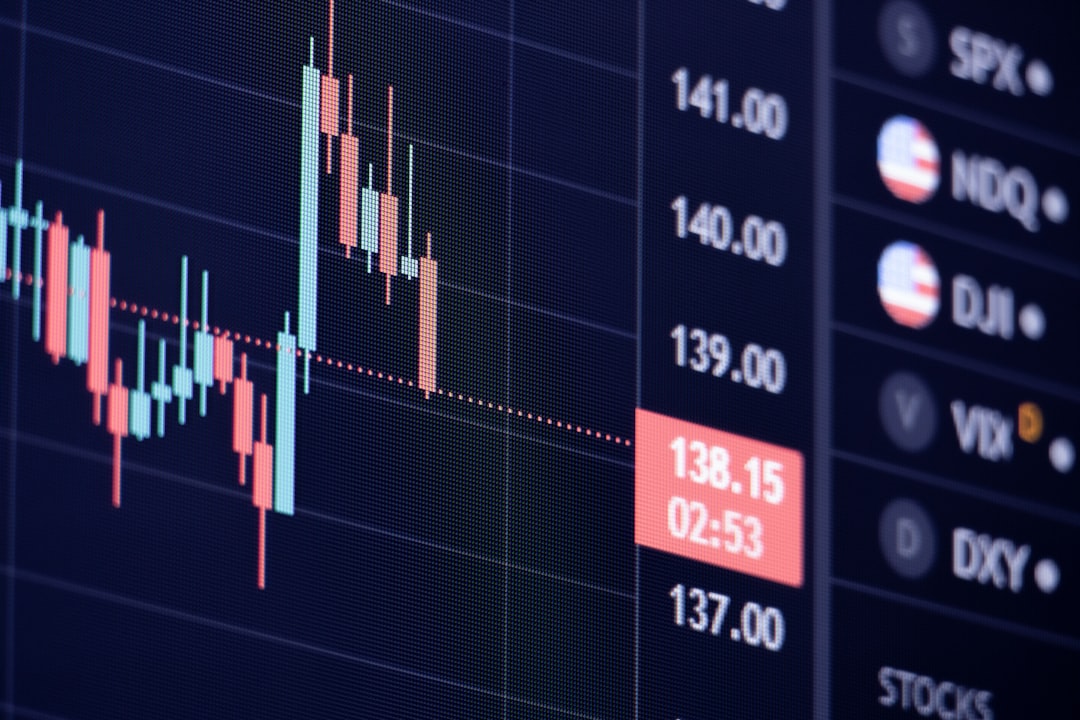
Have you ever felt overwhelmed by complex indicators and conflicting signals in the Forex market? I certainly have! It’s a common struggle for many traders, both new and experienced, to cut through the noise and truly understand what the market is telling them. But what if I told you there’s a powerful, yet surprisingly simple, method to interpret market sentiment directly from the charts? That’s where Price Action Trading comes in. It’s about stripping away the clutter and focusing on the purest form of market data: price itself. In this post, we’ll dive deep into how this strategy can help you make more informed trading decisions and potentially boost your bottom line. Let’s get started! 😊
What Exactly is Price Action Trading? 🤔
Price Action Trading is a methodology where traders make decisions based solely on the analysis of raw price movements on a chart, without relying on lagging technical indicators. It’s essentially reading the “story” the market is telling through candlestick patterns, support and resistance levels, trend lines, and chart formations. The core belief is that all relevant information about a market is reflected in its price. By understanding how price has behaved in the past, traders aim to predict its future direction. This approach emphasizes simplicity and focuses on the fundamental supply and demand dynamics visible on the chart.
Many professional traders favor price action because it offers a real-time perspective, free from the delays inherent in most indicators. For instance, while a moving average might signal a trend change after it has already occurred, a price action trader might spot early signs of exhaustion or reversal directly from candlestick formations. The global Forex market continues to see significant activity, with daily trading volumes often exceeding $7 trillion, making it a prime environment for strategies that offer direct market insights.
Price action isn’t just about identifying patterns; it’s about understanding the psychology behind them. Each candlestick tells a story of buyers and sellers battling for control, and recognizing these narratives is key to successful price action trading.
Key Components of Price Action Analysis 📊
To effectively trade price action, you need to master a few fundamental components. These are your primary tools for deciphering market behavior and identifying potential entry and exit points.
First, candlestick patterns are the alphabet of price action. They visually represent price movements over a specific period, showing the open, high, low, and close. Patterns like Pin Bars, Engulfing Bars, and Inside Bars are crucial for signaling potential reversals or continuations. Second, support and resistance levels are horizontal zones where price has historically struggled to break through. These act as psychological barriers and often present excellent trading opportunities. Finally, trend lines and channels help identify the direction and strength of a trend, providing dynamic support and resistance.
Price Action Tools Overview
| Category | Description | Purpose | Key Patterns/Examples |
|---|---|---|---|
| Candlestick Patterns | Visual representation of price movement (OHLC) over time. | Signal potential reversals or continuations. | Pin Bar, Engulfing Bar, Doji, Hammer |
| Support & Resistance | Price levels where buying/selling pressure is expected to be strong. | Identify potential turning points and entry/exit zones. | Horizontal lines, psychological levels (e.g., round numbers) |
| Trend Lines & Channels | Diagonal lines connecting highs/lows to define trend direction. | Gauge trend strength, identify dynamic S/R, and potential breakouts. | Uptrend line, Downtrend line, Parallel channels |
| Chart Patterns | Larger formations on the chart indicating market structure. | Predict larger price movements and trend reversals/continuations. | Head & Shoulders, Double Top/Bottom, Triangles |
While powerful, price action patterns are not foolproof. Always consider the broader market context and never trade a pattern in isolation. False breakouts and whipsaws are common, so confirmation is key.
Key Checkpoints: Remember These Essentials! 📌
Have you been following along well? Since this article is quite detailed, I’ll highlight the most crucial points you absolutely must remember. Please keep these three things in mind.
-
✅
Price is King: Focus on Raw Market Data
Price Action Trading prioritizes pure price movements over lagging indicators, offering a real-time view of supply and demand. -
✅
Master the Fundamentals: Candlesticks, S/R, & Trendlines
Your core toolkit includes understanding candlestick patterns, identifying strong support and resistance levels, and drawing effective trend lines. These are the building blocks of your analysis. -
✅
Context and Risk Management are Non-Negotiable
Always consider the broader market context and implement strict risk management. No single pattern guarantees success; it’s about probabilities and protecting your capital.
Implementing Price Action: Common Patterns & Setups 👩💼👨💻
Now that we understand the basics, let’s look at some actionable price action patterns you can use. These patterns are often seen at key support or resistance levels, indicating a potential shift in market sentiment.

- Pin Bar: A candlestick with a small body and a long wick (or “shadow”) extending significantly in one direction. A bullish Pin Bar (long lower wick) at support suggests rejection of lower prices, while a bearish Pin Bar (long upper wick) at resistance indicates rejection of higher prices.
- Engulfing Bar: A large candlestick whose body completely “engulfs” the body of the previous candlestick. A bullish engulfing pattern at support suggests strong buying pressure, while a bearish engulfing pattern at resistance indicates strong selling pressure.
- Inside Bar: A candlestick that is completely contained within the range (high to low) of the previous candlestick. This often signals a period of consolidation or indecision, and a breakout from an Inside Bar can indicate the next directional move.
Always look for these patterns to form at significant levels (support, resistance, trend lines, or moving averages). A Pin Bar in the middle of nowhere is far less significant than one forming precisely at a strong resistance level.
Real-World Example: A Pin Bar Reversal 📚
Let’s walk through a hypothetical scenario to see how Price Action Trading might play out in the real world. Imagine we’re looking at the EUR/USD daily chart.
Trader’s Situation
- Currency Pair: EUR/USD
- Timeframe: Daily Chart
- Observation: Price has been in a strong uptrend for several weeks, approaching a significant historical resistance level at 1.1000.
Analysis Process
1) Identify Key Level: The trader identifies the 1.1000 level as a strong resistance zone based on past price action.
2) Look for Price Action Signal: As price approaches 1.1000, a large bearish Pin Bar forms, with its long upper wick extending above 1.1000 before closing significantly lower. This signals a strong rejection of higher prices at resistance.
3) Confirmation: The next day, price opens lower and continues to fall, confirming the bearish sentiment. This is a crucial step to avoid false signals.
Trading Decision & Outcome
– Entry: The trader decides to enter a short (sell) position after the close of the bearish Pin Bar, or on the open of the next candle, placing a stop-loss just above the high of the Pin Bar’s wick (e.g., 1.1020).
– Target: A profit target is set at the next significant support level, perhaps 1.0850, aiming for a favorable risk-to-reward ratio. The trade plays out, and price drops to the target, resulting in a profitable trade.
This example illustrates how combining key levels with specific price action patterns can provide high-probability trading setups. The beauty of price action is its universality; these principles apply across different currency pairs and timeframes, making it a versatile strategy for any Forex trader. Remember, patience and discipline are paramount when waiting for these setups to materialize.
Conclusion: Your Journey to Price Action Mastery 📝
Price Action Trading offers a powerful, clear, and direct way to interact with the Forex market. By focusing on the raw movements of price, you can develop a deeper understanding of market dynamics and make more informed trading decisions, free from the distractions of lagging indicators. It’s a skill that takes time and practice to master, but the rewards of consistent profitability and a clearer market perspective are well worth the effort.
Remember, the Forex market is constantly evolving, but the underlying principles of supply and demand, reflected in price action, remain timeless. Keep practicing, stay disciplined, and always manage your risk. What are your thoughts on Price Action Trading? Do you have a favorite pattern? Let me know in the comments below! 😊