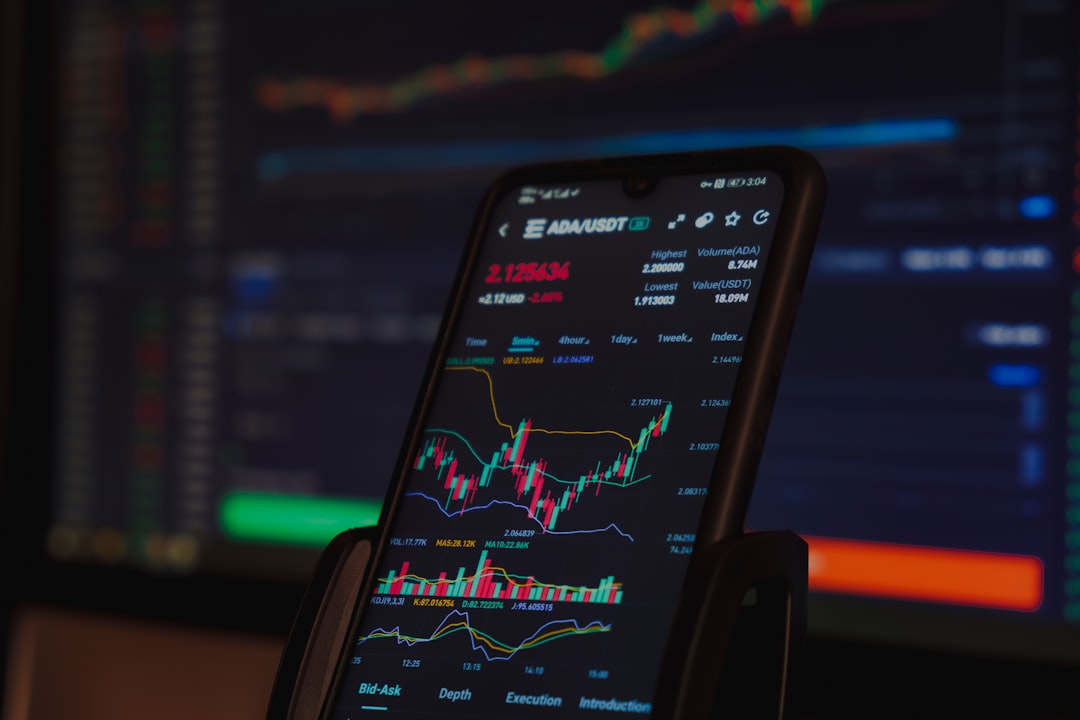
Have you ever felt overwhelmed by a chart cluttered with countless indicators, each giving a different signal? It’s a common struggle for many traders, myself included! In the fast-paced world of Forex, clarity is king. That’s where Price Action Trading comes in – a powerful methodology that strips away the noise and focuses on what truly matters: the price itself. If you’re looking for a robust, adaptable, and timeless trading technique, you’re in the right place. Let’s dive in and discover how to harness the power of price action to navigate the markets in 2026 and beyond! 😊
What Exactly is Price Action Trading? 🤔
At its core, Price Action Trading is a discipline where all trading decisions are made by analyzing the raw price movements on a chart, without relying heavily on technical indicators. Think of it as reading the market’s story directly from its purest form – the price itself. This approach provides immediate data and clarity, allowing traders to stay attuned to what’s happening in the market at any given moment.
While indicators can offer specific data analysis, they often derive their information from price action itself and can sometimes produce conflicting signals or create visual clutter. Price action traders believe that all available information, sentiment, and market psychology are ultimately reflected in the price movement, making it the most reliable indicator. This method is not just for seasoned pros; beginners can also benefit from its straightforward nature, though mastering it requires skill and time.
Price action trading is often referred to as “naked chart trading” because it focuses on clean charts, free from the distractions of multiple indicators. This simplicity helps reduce cognitive overload and allows for faster, more focused decision-making.
Key Components of Price Action Trading 📊
To effectively trade with price action, you need to understand its fundamental building blocks. These are the visual cues on your chart that tell the market’s story.
Candlestick Patterns: The Market’s Language
Candlestick charts are the most popular choice for price action traders because they display the open, high, low, and closing prices (HLOC) of an asset over a specified period at a glance. These patterns provide valuable insights into market sentiment, helping traders anticipate potential future price movements, whether they indicate trends, reversals, or continuations.
For instance, a Hammer pattern (small body at the top, long lower wick) often signals a potential bullish reversal after a downtrend. Conversely, a Shooting Star (small body at the bottom, long upper wick) can signal a bearish reversal after an uptrend.
Support and Resistance: The Market’s Floors and Ceilings
Support and resistance levels are significant price points where the market has previously experienced a bounce or reversal. Think of support as a “floor” where buying pressure is strong enough to prevent the price from falling further, and resistance as a “ceiling” where selling pressure is strong enough to prevent the price from rising higher. These are not exact lines but rather “zones” where supply and demand dynamics shift.
Trend Lines: Mapping the Market’s Direction
Trend lines are straight lines that connect two or more price points on a chart, acting as a visual guide to indicate the direction of a currency pair’s trend. In an uptrend, you draw a line along the bottom of easily identifiable support areas (valleys), connecting higher lows. In a downtrend, you draw it along the top of easily identifiable resistance areas (peaks), connecting lower highs. While two points are enough to draw a trend line, it takes three touches to confirm its validity.
| Component | Description | Key Role in Price Action |
|---|---|---|
| Candlestick Patterns | Visual representation of HLOC prices over time. | Signal market sentiment, potential reversals, or continuations. |
| Support Levels | Price zones where buying pressure is expected to halt declines. | Potential entry points for long positions, stop-loss placement. |
| Resistance Levels | Price zones where selling pressure is expected to halt rallies. | Potential entry points for short positions, profit targets. |
| Trend Lines | Angled lines connecting highs or lows, indicating market direction. | Identify trends, dynamic support/resistance, and potential entry/exit points. |
Price action trading, while powerful, is subjective. Two traders might interpret the same chart differently, which can lead to inconsistent results if not coupled with strong emotional discipline and a well-defined trading plan. Avoid forcing trend lines or patterns where they don’t naturally fit!
Key Checkpoints: Remember These Essentials! 📌
You’ve come this far, great job! With so much information, it’s easy to forget the crucial bits. Let’s quickly recap the most important takeaways from our discussion on Price Action Trading. Keep these three points firmly in mind:
-
✅
Price is the Ultimate Indicator:
All market information, sentiment, and psychology are reflected in the raw price movement. Focus on this “naked chart” to cut through noise. -
✅
Master Candlesticks, S/R, and Trend Lines:
These are your core tools for identifying patterns, key levels, and market direction. Practice reading them diligently. -
✅
Discipline and Context are Crucial:
Price action is subjective; always consider the broader market context and maintain strict emotional discipline to avoid impulsive decisions.
Price Action in 2026: Staying Relevant in a Dynamic Market 👩💼👨💻
The financial landscape is constantly evolving. In 2026, we’re seeing a significant rise in super-fast algorithmic trading and AI-driven market insights. You might wonder if a “back-to-basics” approach like price action still holds its weight. The answer is a resounding yes!
Many professional and retail traders are actually returning to price action because it offers a real-time and adaptable view of the markets, especially when traditional indicators can lag. The core logic is that human psychology – fear and greed – remains constant, making price action patterns enduring and statistically reliable, particularly when combined with key support and resistance levels.
Current trends for 2026 also indicate stricter regulations, continued growth in emerging market currencies, and increased options trading. While AI will play a bigger role, traders still need to set goals and manage risk, making price action a valuable tool, not a replacement for human insight.
Even with the rise of AI and high-frequency trading, price action remains a powerful strategy because it’s based on universal principles of supply and demand and human psychology, which don’t change. It helps traders understand the “smart money” movements.
Practical Example: A Simple Price Action Setup 📚
Let’s walk through a hypothetical scenario to illustrate how you might use price action in your trading.
Scenario: Trading a Bullish Pin Bar at Support
- Currency Pair: EUR/USD
- Timeframe: 4-hour chart
- Market Context: The EUR/USD has been in a clear uptrend for several weeks, making higher highs and higher lows.
Observation and Decision Process
1) Identify Support: You’ve drawn a strong horizontal support level at 1.0850, which has been tested and held multiple times in the past.
2) Wait for Confirmation: Price retraces back to this 1.0850 support level. Instead of blindly buying, you wait for a clear price action signal. On the 4-hour chart, a bullish Pin Bar forms right at the support level. This Pin Bar has a small body and a long lower wick, indicating strong rejection of lower prices and buying pressure.
3) Entry: You decide to enter a long position (buy) on the close of the bullish Pin Bar, or on a 50% retracement of its wick for a potentially better risk-reward ratio.
4) Stop Loss: You place your stop-loss order just below the low of the Pin Bar’s wick, or slightly below the support level, to invalidate the setup if price continues to fall.
5) Take Profit: You set your take-profit target at the next significant resistance level, perhaps a previous swing high, aiming for a favorable risk-reward ratio (e.g., 1:2 or 1:3).
Final Result
– The market respects the support level and the bullish Pin Bar, moving upwards towards your take-profit target.
– This trade exemplifies how combining key support/resistance levels with specific candlestick patterns can provide high-probability trading opportunities.
This example highlights the importance of patience and waiting for confluence – when multiple price action elements align – to increase the probability of a successful trade. It’s about letting the market show its hand before you act.
Wrapping Up: Your Path to Price Action Mastery 📝
Price Action Trading offers a timeless and powerful approach to navigating the Forex markets. By focusing on the raw, unfiltered movements of price, you can gain a clearer understanding of market psychology and make more informed decisions, even in the increasingly complex trading environment of 2026. It’s about simplifying your charts, sharpening your observation skills, and trusting the story the price is telling you.
Remember, mastery comes with practice. Start by observing charts, identifying patterns, and understanding how support, resistance, and trend lines interact. Combine this knowledge with sound risk management, and you’ll be well on your way to becoming a more confident and profitable trader. Got questions or want to share your own price action experiences? Drop a comment below – I’d love to hear from you! 😊
Price Action Essentials
Frequently Asked Questions ❓
Copyright © 2025 QHost365.com ®