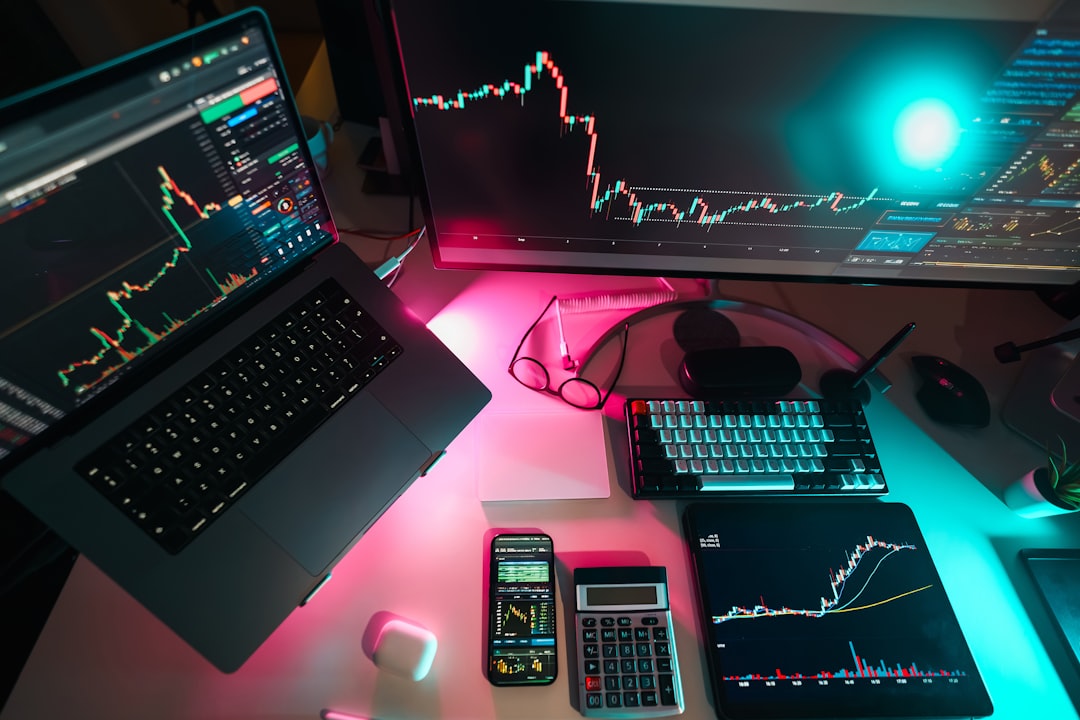
Have you ever felt the thrill of a rapidly moving market, wishing you could capitalize on those fleeting price changes? I know I have! In the dynamic world of Forex, where currencies are constantly in motion, there’s a trading style that thrives on exactly that: scalping. It’s a strategy that focuses on making numerous small profits from minor price shifts throughout the day, rather than holding positions for extended periods. It can be intense, but for those who master it, the rewards can be significant. Ready to explore if this fast-paced approach is for you? Let’s dive in! 😊
What Exactly is FX Scalping? 🤔
At its core, FX scalping is about executing a high volume of trades to capture small gains. Traders, known as scalpers, aim to profit from tiny fluctuations in currency pairs, often entering and exiting positions within minutes, or even seconds. Think of it like picking up pennies in front of a steamroller – you need to be quick, precise, and know when to get out of the way!
This strategy relies heavily on technical analysis and requires intense focus and rapid decision-making. Unlike swing trading or position trading, which look for larger market movements, scalping capitalizes on the microstructure of the market. It’s not about predicting major trends; it’s about exploiting momentum and volatility over very short timeframes.
Scalping is often performed on lower timeframes, such as 1-minute or 5-minute charts. This allows traders to identify and react to immediate price action, which is crucial for the strategy’s success.
The Allure of Scalping: Why Traders Love It 📊
So, why do so many traders gravitate towards scalping? The primary appeal lies in its potential for frequent, albeit small, profits. By avoiding overnight risks and focusing on quick trades, scalpers can potentially accumulate significant gains over a trading session. The idea is that many small wins can add up to a substantial overall profit, often with lower exposure to large market swings.
Another draw is the immediate feedback. You know almost instantly if a trade is working out, which can be satisfying for those who prefer quick resolutions. This contrasts sharply with longer-term strategies where positions might be held for days or weeks, requiring more patience and tolerance for extended drawdowns.
Key Advantages of FX Scalping
| Aspect | Description | Benefit for Scalpers | Consideration |
|---|---|---|---|
| Reduced Exposure | Trades are held for very short durations. | Minimizes risk from large, unexpected market moves. | Requires constant monitoring. |
| High Frequency | Many trades executed daily. | Numerous opportunities to profit. | Higher transaction costs (spreads/commissions). |
| Volatility Capitalization | Profits from small, rapid price changes. | Can be profitable even in sideways markets. | Requires strong understanding of market microstructure. |
| Clear Exit Strategy | Defined profit targets and stop-losses are essential. | Reduces emotional decision-making. | Discipline is paramount. |
While alluring, scalping is not for everyone. It demands immense discipline, quick reflexes, and a robust trading setup. High transaction costs and the psychological toll of constant monitoring can quickly erode profits if not managed properly.
Key Checkpoints: What You Absolutely Must Remember! 📌
Made it this far? Great! With so much information, it’s easy to forget the essentials. Let’s recap the three most crucial points you need to keep in mind for successful FX scalping.
-
✅
Precise Entry and Exit Points are Non-Negotiable
In scalping, even a few pips can make or break a trade. Utilize tight stop-losses and clear take-profit levels to manage risk effectively. -
✅
Focus on High-Liquidity Pairs and Optimal Times
Trading major currency pairs during peak market hours ensures tight spreads and quick execution, vital for scalping. -
✅
Psychological Discipline is Your Best Friend
The rapid nature of scalping can be emotionally taxing. Stick to your plan, avoid revenge trading, and take breaks to maintain focus.
Tools and Techniques for the Modern Scalper 👩💼👨💻
To succeed in scalping, you need the right tools and a solid understanding of market dynamics. High-speed internet, a reliable broker with low spreads, and a robust trading platform are non-negotiable. Beyond the hardware, technical indicators play a crucial role.
- Moving Averages (MAs): Often used to identify short-term trends and potential support/resistance levels.
- Stochastic Oscillator: Helps identify overbought or oversold conditions, signaling potential reversals.
- Relative Strength Index (RSI): Similar to Stochastic, it measures the speed and change of price movements.
- Bollinger Bands: Useful for identifying periods of high or low volatility and potential price breakouts.
- Volume Indicators: While less direct in FX, observing volume in related markets (like futures) can offer clues about momentum.
As of mid-2026, the integration of AI-powered analytics and ultra-low latency execution systems is becoming more prevalent. While not fully automated, these tools can provide scalpers with faster signal generation and execution, giving them a slight edge in highly competitive markets. Consider exploring platforms offering such advanced features.
Real-World Scenario: A Scalping Play 📚
Let’s walk through a hypothetical scalping scenario. Imagine it’s a busy Tuesday morning, and the EUR/USD pair is showing some volatility after a minor economic data release. You’re watching the 1-minute chart, looking for quick opportunities.
Trader Jane’s Situation
- Currency Pair: EUR/USD
- Timeframe: 1-minute chart
- Tools: 10 & 20 period Moving Averages (MA), Stochastic Oscillator (14,3,3)
- Market Condition: Post-news volatility, ranging within a tight 15-pip band.
The Trading Process
1) Observation: Jane notices EUR/USD price touches the lower Bollinger Band, while the Stochastic Oscillator crosses above the 20 level (oversold). The 10-period MA is starting to cross above the 20-period MA.
2) Entry: Believing a short-term bounce is imminent, Jane enters a “buy” position with 1 standard lot at 1.0850.
3) Risk Management: She immediately sets a tight stop-loss 5 pips below her entry at 1.0845 and a take-profit target 7 pips above at 1.0857.
4) Execution: Within 30 seconds, the price moves up to 1.0857, hitting her take-profit. Jane exits the trade.
Final Result
– Profit: 7 pips (1.0857 – 1.0850) = $70 (for 1 standard lot)
– Time in Trade: Less than 1 minute
This example highlights the speed and precision required. Jane’s quick analysis, immediate entry, and disciplined exit (both stop-loss and take-profit were set) allowed her to capture a small profit. Multiply this by dozens of trades a day, and you can see the potential.

Wrapping Up: Your Path to Scalping Success 📝
FX scalping, while challenging, offers a unique avenue for potentially consistent profits in the Forex market. It’s a strategy that demands a sharp mind, unwavering discipline, and a commitment to continuous learning. As markets evolve, with advancements in technology and data analytics, the landscape for scalpers continues to present both opportunities and new complexities.
Remember, success in scalping isn’t about hitting one home run; it’s about consistently getting on base. Start with a solid education, practice diligently in a demo account, and always prioritize risk management. If you’re intrigued by the fast-paced action and the idea of compounding small gains, scalping might just be your trading superpower! Got questions? Drop them in the comments below – I’d love to hear your thoughts! 😊
Scalping Essentials at a Glance
Copyright © 2025 QHost365.com ®