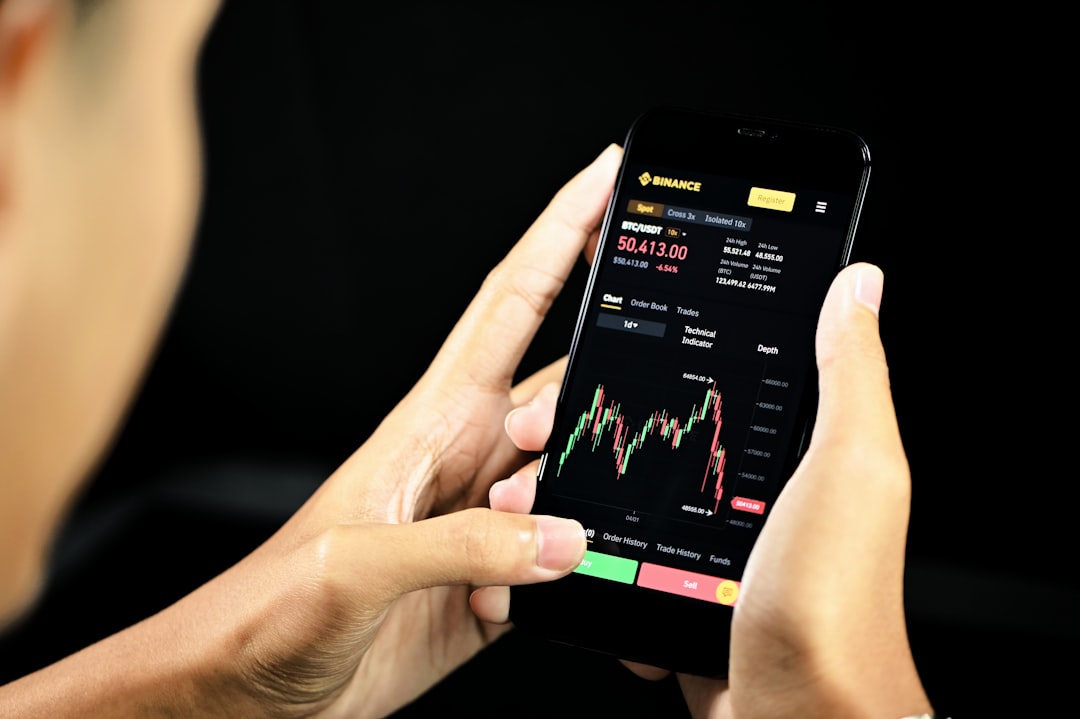
Have you ever felt the thrill of a rapidly moving market, wondering how some traders seem to snatch profits from fleeting price changes? The Foreign Exchange (FX) market, with its colossal daily trading volume, offers countless opportunities, but harnessing them requires precision and speed. Today, we’re diving deep into one of the most exciting and potentially lucrative trading techniques: FX scalping. It’s a method for those who thrive on quick decisions and disciplined execution. Ready to explore how you can leverage these micro-moves for macro gains? Let’s get started! 😊
What is FX Scalping? 🤔
At its core, FX scalping is a high-frequency trading style where traders aim to profit from small, frequent price fluctuations in currency pairs. Instead of holding positions for hours, days, or weeks, scalpers enter and exit trades within seconds or minutes, accumulating numerous small gains that, over time, can add up to significant profits.
This strategy demands constant attention to market movements and rapid decision-making. Scalpers typically utilize ultra-short-term charts, often 1-minute or 5-minute timeframes, to identify fleeting opportunities. The objective isn’t to predict major market trends but rather to capitalize on the momentary imbalances between buyers and sellers, often targeting just a few pips per trade.
In April 2025, the average daily global FX trading volume reached an astounding $9.6 trillion, a 28% increase from 2022, highlighting the immense liquidity and opportunities available in the market for strategies like scalping.
The Allure and the Challenge: Pros and Cons of Scalping 📊
Scalping holds a unique appeal for many traders, but it also comes with its own set of demanding challenges. Let’s break down why this strategy attracts so many, and what makes it particularly rigorous.
One of the primary advantages of scalping is reduced exposure to significant market risk. By holding positions for very short periods, scalpers minimize the impact of adverse long-term market movements or unexpected news events. This also translates into frequent trading opportunities, as small price movements are abundant throughout the trading day. Scalping can be effective across various market conditions, offering the potential for consistent small gains that accumulate over time.
However, this high-frequency approach isn’t without its drawbacks. The most significant is the high transaction costs. Executing dozens, or even hundreds, of trades daily means brokerage fees and commissions can quickly eat into profits. Scalping also demands intense focus, quick thinking, and split-second decision-making, which can be mentally taxing and stressful. It requires a high win rate (often 60-75% for professionals in 2026) to overcome these costs and remain profitable. Furthermore, scalpers often use greater leverage to amplify small gains, which can equally magnify losses if not managed meticulously.
Scalping vs. Other Trading Styles
| Characteristic | Scalping | Day Trading | Swing Trading |
|---|---|---|---|
| Holding Period | Seconds to Minutes | Minutes to Hours (within one day) | Days to Weeks |
| Profit Target Per Trade | Very Small (e.g., 1-5 pips) | Moderate (e.g., 10-50 pips) | Large (e.g., 50-200+ pips) |
| Trade Frequency | Very High (Dozens to Hundreds) | High (Several to Dozens) | Low (Few per week/month) |
| Primary Analysis | Technical (1m/5m charts) | Technical (15m/1h charts) | Technical & Fundamental (4h/Daily) |
Scalping is not necessarily riskier than other styles, but it demands a deep understanding of leverage and disciplined risk management. Beginners should proceed with caution and thorough practice.
Key Checkpoints: What Every Scalper Needs to Master! 📌
You’ve made it this far! Given the fast-paced nature of scalping, it’s easy to overlook crucial details. Let’s recap the most important takeaways. Keep these three points at the forefront of your mind.
-
✅
Strict Risk Management is Non-Negotiable.
Implement tight stop-losses (1-2 pips from entry) and limit your risk per trade to 0.1-0.25% of your total capital. Never chase losses and set daily maximum loss limits. -
✅
Technical Analysis and Market Timing are Paramount.
Master 1-minute and 5-minute charts, utilizing indicators like MACD, RSI, and Bollinger Bands. Focus on peak liquidity hours, especially the London and New York overlap (8 AM to 12 PM EST). -
✅
Choose a Broker Optimized for Speed and Low Costs.
An ECN broker with tight spreads (ideally 0.0-0.5 pips), low latency execution, and VPS hosting is crucial for successful scalping. Fast execution is your ultimate edge.
Navigating the Modern FX Landscape: Tools and Trends for 2026 👩💼👨💻
The FX market is constantly evolving, and 2026 is no exception. Algorithmic trading and Artificial Intelligence (AI) are reshaping the landscape, with AI-driven systems moving towards near-autonomous execution. This means that roughly 90% of intraday price action is now dictated by high-frequency trading (HFT) algorithms, which prioritize speed and precision.
For scalpers, this shift emphasizes the need for technological advantage. Low-latency connections, often achieved through Virtual Private Servers (VPS) co-located with broker infrastructure, provide a critical edge. Furthermore, regulators in regions like the EU, UK, and APAC are implementing stricter rules, demanding greater transparency from brokers and better protection for client funds. This trend benefits traders by fostering a safer and more reliable trading environment.
Modern scalpers in 2026 are increasingly integrating AI-assisted filters to identify “Volume Traps” and liquidity gaps. The use of ECN accounts and low-latency setups is paramount to compete effectively against institutional HFT algorithms.
A Practical Glimpse: Executing a Scalping Trade 📚
Let’s walk through a simplified, hypothetical example of an FX scalping trade. Remember, real-world trading involves far more variables, but this illustrates the core concept.
Scenario: EUR/USD 1-Minute Scalp
- Trader: Alex, an experienced scalper during the London-New York overlap.
- Currency Pair: EUR/USD, known for high liquidity and tight spreads during this session.
- Observation: Alex notices EUR/USD on a 1-minute chart has pulled back to a key short-term moving average (e.g., 20 EMA) in an otherwise upward micro-trend, showing signs of rejection (e.g., a bullish engulfing candle).
Execution Process
1) Entry: Alex quickly places a buy order at 1.0855 as the bullish candle closes, anticipating a bounce. His broker offers raw spreads from 0.0 pips and fast execution.
2) Risk Management: Immediately, a tight stop-loss is set at 1.0853 (2 pips below entry) and a take-profit at 1.0858 (3 pips above entry), ensuring a favorable risk-to-reward ratio. This adheres to the rule of risking only a small percentage of capital per trade.
3) Monitoring: Alex monitors the trade for a few seconds. The price quickly moves in his favor.
Final Result
– Outcome: The price hits the take-profit target at 1.0858 within 30 seconds.
– Profit: 3 pips (minus commission), contributing to Alex’s daily accumulation of small profits. This is just one of many such trades executed throughout the day.
This example highlights the speed, precision, and strict risk management required for successful scalping. The ability to identify opportunities, execute rapidly, and manage risk instantly is what separates profitable scalpers from the rest.
Wrapping Up: Key Takeaways 📝
FX scalping, while demanding, offers a compelling path to consistent profits for disciplined traders. The 2026 market, characterized by increasing algorithmic influence and stricter regulations, further emphasizes the need for technological superiority, robust risk management, and a keen understanding of short-term price action. It’s a strategy that rewards focus, quick reflexes, and an unwavering commitment to your trading plan.
Remember, success in scalping isn’t about one big win, but rather the cumulative effect of many small, precise trades. Continuous learning, adapting to market changes, and refining your strategy are key. What are your thoughts on scalping, or perhaps you have a favorite quick trading tip? Share your insights in the comments below – we’d love to hear from you! 😊
Scalping Essentials: Quick Reference
Copyright © 2025 QHost365.com ®