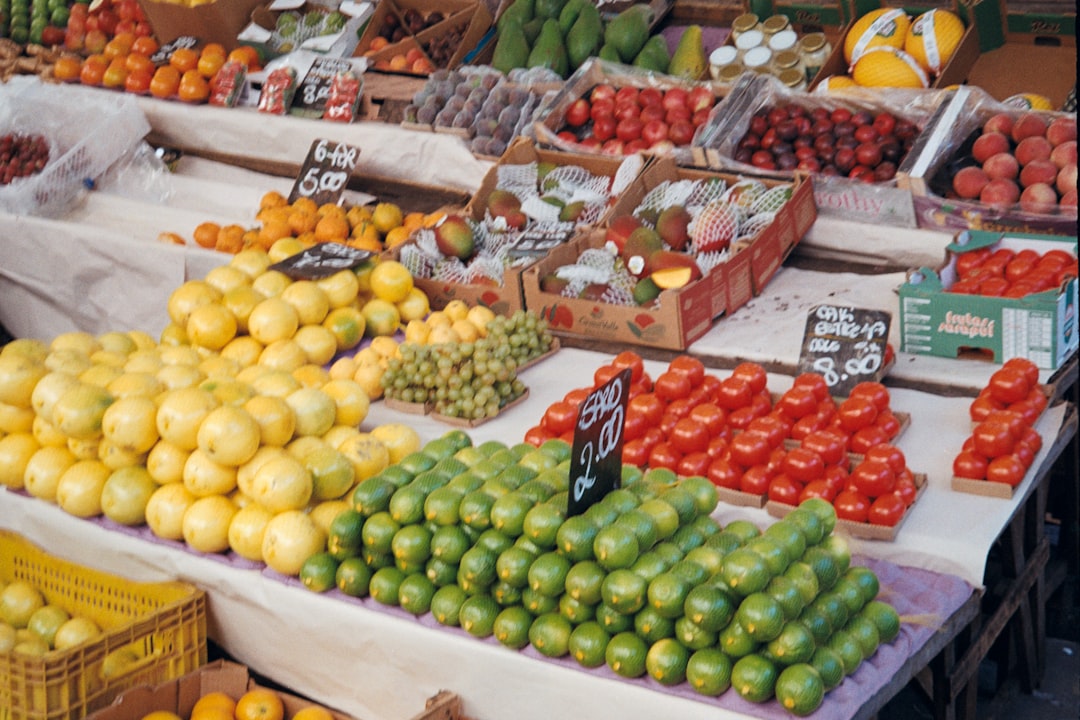
Have you ever planned a trip around a single dish, or found yourself dreaming of the vibrant street food scenes in far-off lands? If so, you’re not alone! Food tourism is booming, with more travelers than ever seeking authentic culinary experiences that connect them to local cultures. As we look towards 2025 and 2026, the appetite for unique flavors and sustainable dining is stronger than ever. Let’s dive into the delicious world of food travel and uncover how you can make your next trip a gastronomic masterpiece! 😊
Top Culinary Destinations for 2025-2026 🤔
The world is a smorgasbord of incredible flavors, and certain cities and regions are consistently drawing food lovers with their unique culinary offerings. For 2025 and 2026, several destinations are standing out as must-visit spots for any serious foodie.
From the bustling street markets to Michelin-starred establishments, these places offer a diverse range of experiences. Here’s a look at some of the top contenders:
- Tokyo, Japan: Consistently ranked as a top food destination, Tokyo boasts the most Michelin-starred restaurants globally and offers everything from exquisite sushi and ramen to delightful street food like yakitori and takoyaki.
- Bangkok, Thailand: Often hailed as the street food capital of the world, Bangkok’s vibrant scene offers an array of affordable and delicious dishes such as Pad Thai, Som Tam, and Mango Sticky Rice.
- Italy: From the fresh, seasonal ingredients of its regional cuisines to iconic pasta and pizza, Italy remains a timeless favorite for foodies.
- Mexico City, Mexico: Gaining recognition for its bold and colorful plates, Mexico City is a paradise for authentic tacos al pastor, tamales, and elotes.
- Barcelona, Spain: This city redefines modern Mediterranean cuisine, blending Catalan traditions with avant-garde techniques, famous for its tapas and markets like La Boqueria.
- Ho Chi Minh City, Vietnam: A street food hotspot where you can savor pho and banh mi, reflecting a rich culinary heritage.
- Penang, Malaysia: George Town in Penang is a culinary melting pot of Malay, Chinese, and Indian influences, famous for its hawker centers.
Many travelers are now choosing destinations specifically for their culinary offerings, with food and beverage experiences leading to a “lasting and positive impression of the destination.”
Emerging Trends in Food Travel 📊
Culinary tourism isn’t just about where you go; it’s also about how you experience food. Several exciting trends are shaping the way we eat and explore in 2025 and 2026.
The Rise of Sustainable Food Tourism
Sustainability is no longer a buzzword; it’s a core value for many travelers. In 2024, nearly 8 out of 10 respondents to a study by Harris Interactive and Sodexo believed that adopting more sustainable behaviors is an “urgent” matter. This translates directly to food choices, with a growing demand for options that are good for both the environment and local communities.
| Aspect | Description | Impact |
|---|---|---|
| Ethical Sourcing | Prioritizing fair labor practices and animal welfare. | Supports responsible production and communities. |
| Farm-to-Table | Food directly from farm to plate, supporting local businesses. | Ensures freshness and reduces intermediaries. |
| Locally Sourced | Ingredients grown close by, reducing carbon emissions. | Minimizes environmental footprint and supports local farmers. |
| Waste Reduction | Minimizing food waste and practicing good recycling. | Reduces environmental impact, especially methane emissions. |
Travelers are increasingly looking for certifications like Certified Humane, Fair Trade, or USDA Organic to identify sustainable establishments. Opting for plant-based meals is also a simple yet impactful way to reduce your environmental footprint while traveling.
While many businesses advertise sustainability, it’s always wise to look for concrete certifications or ask about their practices to ensure genuine commitment.
Key Checkpoints: Remember These Essential Foodie Tips! 📌
You’ve come this far, and there’s a lot to digest! To ensure your next food adventure is truly epic, here are three crucial takeaways to keep in mind:
-
✅
Embrace Local and Authentic Experiences:
Seek out small, family-owned eateries, local markets, and cooking classes. This is where you’ll find the true heart of a destination’s cuisine and connect with its culture. -
✅
Prioritize Sustainable Choices:
Look for ethically sourced, locally grown, and seasonal ingredients. Support businesses committed to reducing waste and consider plant-based options. -
✅
Research Smart and Avoid Tourist Traps:
Utilize online reviews (checking original language!), social media, and local recommendations to find hidden gems and steer clear of overpriced, inauthentic spots.
Practical Tips for Your Culinary Journey 👩💼👨💻
Embarking on a food-focused trip requires a little planning, but the rewards are immense. Here are some practical tips to enhance your culinary explorations:
- Do Your Homework: Before you even pack your bags, research the local cuisine, must-try dishes, and reputable eateries. Websites like HappyCow and the Green Restaurant Association can help you find sustainable options.
- Engage with Locals: Don’t be shy! Ask taxi drivers, hotel staff, or even people you meet at local markets for their favorite spots. They often know the best hidden gems.
- Consider a Food Tour or Cooking Class: These are fantastic ways to gain insider knowledge, learn about local ingredients, and even try your hand at preparing traditional dishes.
- Visit Local Markets: Farmers’ markets and local grocery stores (a trend called “Shelf Discovery” for 2026) offer a glimpse into daily life and provide opportunities to sample fresh, seasonal produce and artisanal products.
- Learn Basic Etiquette: Understanding local dining customs can prevent awkward situations and show respect. For example, slurping noodles in Japan is a sign of enjoyment, while in Italy, ordering a cappuccino after 11 AM is generally not done.
- Be Adventurous: Step outside your comfort zone and try new things! Some of the most memorable culinary experiences come from unexpected dishes.
Use social media platforms like Instagram’s “Places” tab (checking the “recent” feed) or local Facebook groups to discover trending spots where locals are actually eating. The Michelin Guide’s “Bib Gourmand” selections are also excellent for high-quality, good-value meals.
Real-World Example: A Sustainable Street Food Adventure in Bangkok 📚
Imagine yourself in Bangkok, the undisputed street food capital. Instead of heading straight for the most touristy spots, you’ve done your research and are ready for an authentic, sustainable experience.
The Foodie’s Situation
- Goal: Experience authentic Thai street food while supporting local, sustainable practices.
- Tools: Google Maps (with saved local spots), a reusable water bottle and food container, and a willingness to ask locals for recommendations.
The Culinary Journey
1) Morning Market Exploration: You start your day at a local wet market, not a tourist trap. You observe vendors, try seasonal fruits, and chat with a local who recommends a small noodle stall nearby known for its sustainable sourcing of ingredients.
2) Street Food Discovery: Following the local’s advice, you find a humble stall specializing in Khao Soi (a Northern Thai curry noodle soup, popular in Chiang Mai but found in Bangkok too). You notice the vendor uses fresh, locally sourced herbs and minimizes plastic waste. You use your reusable container for a takeaway snack.
3) Evening Culinary Class: In the afternoon, you join a small-group cooking class focused on traditional Thai dishes. The chef takes you to a local herb garden and teaches you about the importance of fresh, regional ingredients. You learn to make Pad Thai and Green Curry from scratch.
Final Results
– Authentic Flavors: You’ve tasted dishes prepared with genuine local ingredients and traditional methods, far from generic tourist fare.
– Sustainable Impact: By choosing local vendors and minimizing waste, you’ve contributed positively to the local economy and reduced your environmental footprint.
This kind of intentional food travel not only satisfies your taste buds but also provides a deeper, more meaningful connection to the destination and its people. It’s about understanding the stories and traditions behind every bite.

Wrapping Up: Your Next Delicious Journey Awaits 📝
As you plan your adventures for 2025 and 2026, remember that food is more than just sustenance; it’s a gateway to culture, history, and connection. By embracing authentic experiences, prioritizing sustainability, and utilizing smart travel tips, you can transform any trip into an unforgettable culinary exploration.
So, where will your taste buds take you next? Don’t hesitate to share your dream food destinations or ask any questions in the comments below! Happy travels and bon appétit! 😊
Culinary Travel Essentials
Frequently Asked Questions ❓