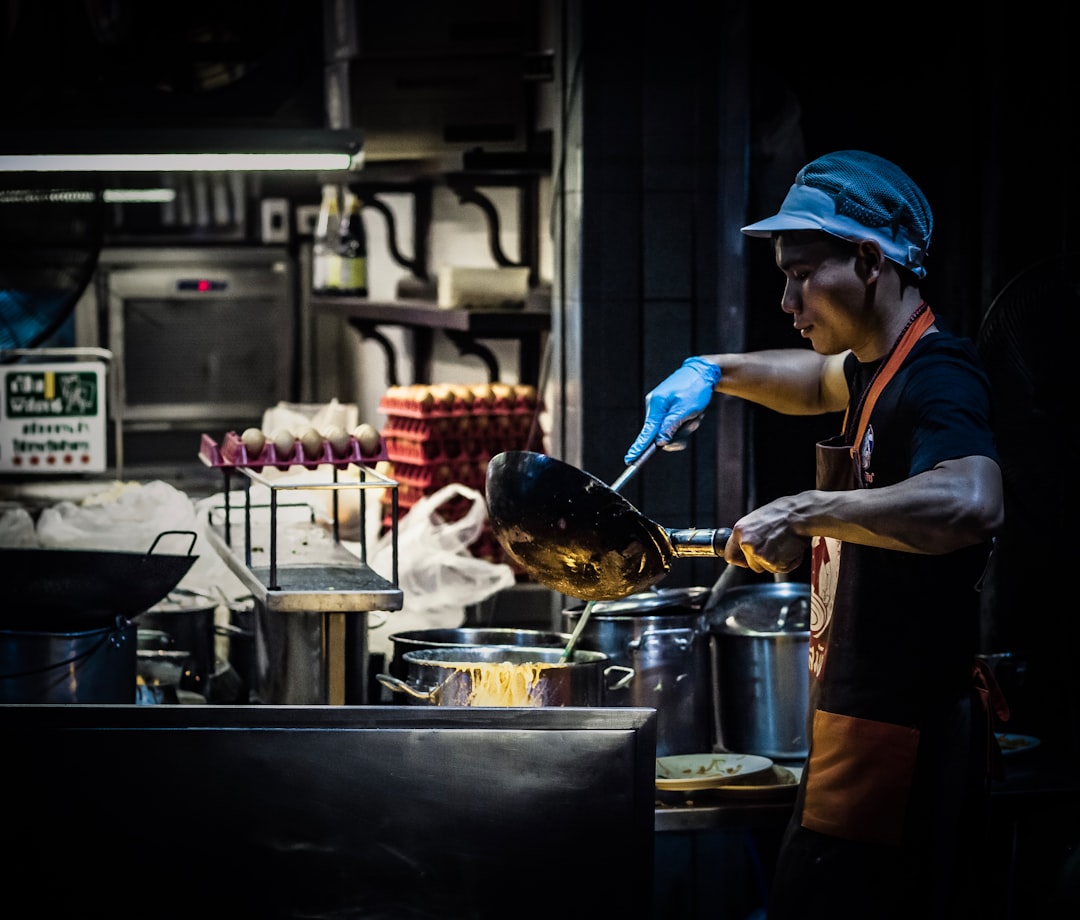
Have you ever planned an entire vacation around what you’re going to eat? If so, you’re definitely not alone! Food has become a driving force behind our travel decisions, transforming trips into unforgettable culinary journeys. In 2026, this trend is stronger than ever, with travelers prioritizing authentic local flavors and immersive dining experiences. Get ready to pack your bags and your appetite, because we’re diving into the world’s most exciting food destinations and sharing our top tips to make your foodie travels truly delicious! 😊
2026’s Top Global Culinary Hotspots 🤔
The world is brimming with incredible flavors, and 2026 is shaping up to be an exceptional year for culinary tourism. Several cities and regions are gaining international recognition for their unique gastronomic offerings. According to various reports, destinations like Crete, Greece, has been designated the European Region of Gastronomy 2026, celebrated for its exceptional ingredients and regional specialties.
Other leading foodie destinations for 2026 include Dubai, UAE, known for luxurious dining and international cuisine, and Melbourne, Australia, which boasts a diverse food scene and a strong Korean influence. Tokyo, Japan, continues to be a culinary powerhouse with the most Michelin stars globally, offering everything from transcendent ramen to exquisite kaiseki.
Beyond fine dining, many of the best food destinations are celebrated for their vibrant street food, bustling markets, and charming family-run restaurants. Don’t limit your culinary exploration to just high-end establishments!
Emerging Food Travel Trends for 2026 📊
Culinary tourism is constantly evolving, and 2026 brings exciting new trends. One significant shift is the increasing desire for deeper cultural connection through everyday eats. Travelers are now exploring local supermarkets and bodegas, finding joy in regional snacks and pantry items that offer a true glimpse into local life. These “shelf-ie souvenirs” are becoming popular edible keepsakes, allowing travelers to relive their destination experience at home.
Another prominent trend is the focus on regenerative culinary travel experiences. This goes beyond sustainability, with travelers seeking meals that restore ecosystems, uplift communities, and protect food heritage. Think olive harvesting on an agroecological farm or planting herbs with a community co-op. Michelin Guide inspectors also highlight trends like char, smoke, and flame cooking, as well as a renewed emphasis on bitterness and depth in flavors, often achieved through fermentation and umami-rich ingredients.
Food Travel Styles & Destinations for 2026
| Travel Style | Focus | Example Destinations (2026) | Key Experience |
|---|---|---|---|
| Luxury Dining | Michelin-starred, gourmet experiences | Tokyo, Dubai, Venice | Exclusive tasting menus, innovative cuisine |
| Street Food & Markets | Authentic, affordable local eats | Bangkok, Hong Kong, Mexico City | Food tours, bustling night markets |
| Farm-to-Table / Local | Seasonal, regional ingredients, sustainable practices | Crete, Prince Edward County, Minas Gerais | Cooking classes, foraging, vineyard visits |
| Cultural Immersion | Learning traditions, home-cooked meals | Fez, Patan, Oaxaca (Mexico) | Ancestral cooking workshops, tea rituals |
While street food is incredible, always prioritize vendors with high turnover and fresh-to-order preparation to ensure food safety. If something looks or smells off, it’s best to walk away.
Key Checkpoints: Remember These Tips! 📌
You’ve made it this far! With so much delicious information, let’s quickly recap the most important takeaways for your next food-focused trip. Keep these three points in mind:
-
✅
Research is Your Best Friend
Before you go, dive deep into local specialties, reservation policies, and even basic food-related phrases. This preparation can save you time and enhance your experience. -
✅
Eat Like a Local, Not Just a Tourist
Seek out busy street food stalls, local markets, and even grocery stores to discover authentic flavors and connect with the culture on a deeper level. -
✅
Be Adventurous & Open-Minded
Don’t be afraid to try unfamiliar dishes or join a cooking class. Some of the best culinary discoveries happen when you step outside your comfort zone!
Smart Travel Tips for Foodies 👩💼👨💻
Beyond knowing where to go, how you approach your culinary journey can make all the difference. Booking reservations weeks or even months in advance is crucial for popular restaurants, especially those with Michelin stars. Utilizing food apps like OpenTable or Yelp can provide valuable reviews and help you discover hidden gems. For an even richer experience, consider hiring a local guide who can offer insider knowledge and take you to authentic spots you might otherwise miss.
Don’t forget about timing! Many countries offer lunch specials that are significantly cheaper than dinner, allowing you to enjoy high-quality food at a fraction of the cost. Also, visiting bakeries and food stalls right before closing can often yield discounted items as vendors prefer to sell rather than discard food.
Embrace sustainable food tourism by choosing farm-to-table restaurants and supporting local producers. This not only ensures fresh, high-quality ingredients but also contributes positively to the local economy and environment.
Real-World Example: A Culinary Journey Through Hanoi 📚
Let’s imagine a foodie’s dream trip to Hanoi, Vietnam, a city renowned for its incredible street food culture and fresh flavors.
Traveler’s Situation
- **Destination:** Hanoi, Vietnam
- **Goal:** Experience authentic Vietnamese cuisine on a moderate budget.
- **Duration:** 5 days in February 2026
Culinary Strategy
1) **Morning:** Start each day with a bowl of fresh Pho from a bustling street vendor, following the local crowds for the best spots. Cost: ~$2-3 per bowl.
2) **Lunch:** Seek out Banh Mi stalls for a delicious and affordable sandwich. Utilize local food apps with translation features to find highly-rated spots and lunch deals. Cost: ~$1-2 per sandwich.
3) **Afternoon:** Explore local markets like Dong Xuan Market, sampling fresh produce and unique snacks. Enjoy a traditional Vietnamese egg coffee at a local cafe. Cost: ~$1-3 for coffee/snacks.
4) **Evening:** Join a street food tour on the first night to get acquainted with the best local eats and learn about food safety. For other evenings, try Bun Cha (grilled pork with noodles) or fresh spring rolls from popular local eateries. Cost: ~$20-40 for a food tour, ~$3-5 per meal.
Final Outcome
– **Authentic Experience:** The traveler fully immersed themselves in Hanoi’s vibrant food scene, eating like a local and discovering hidden culinary treasures.
– **Budget-Friendly:** By focusing on street food, local markets, and lunch specials, the daily food budget remained low, allowing for more experiences.
This example highlights that incredible food travel doesn’t always mean breaking the bank. With a little research and an adventurous spirit, you can truly savor the local flavors and culture of any destination.

Wrapping Up: Your Culinary Journey Awaits 📝
As we look ahead to 2026, the world of food travel is more exciting and diverse than ever. From the luxurious dining rooms of Dubai and Tokyo to the bustling street markets of Bangkok and Hanoi, there’s a culinary adventure waiting for every palate and budget. Remember to research, eat like a local, and embrace new flavors to truly unlock the heart of each destination.
Whether you’re chasing Michelin stars or the perfect street taco, the journey of discovering new tastes is one of life’s greatest pleasures. So, go forth, explore, and let your taste buds lead the way! If you have any questions or your own favorite food travel tips, please share them in the comments below! 😊
Culinary Travel Essentials
Frequently Asked Questions ❓