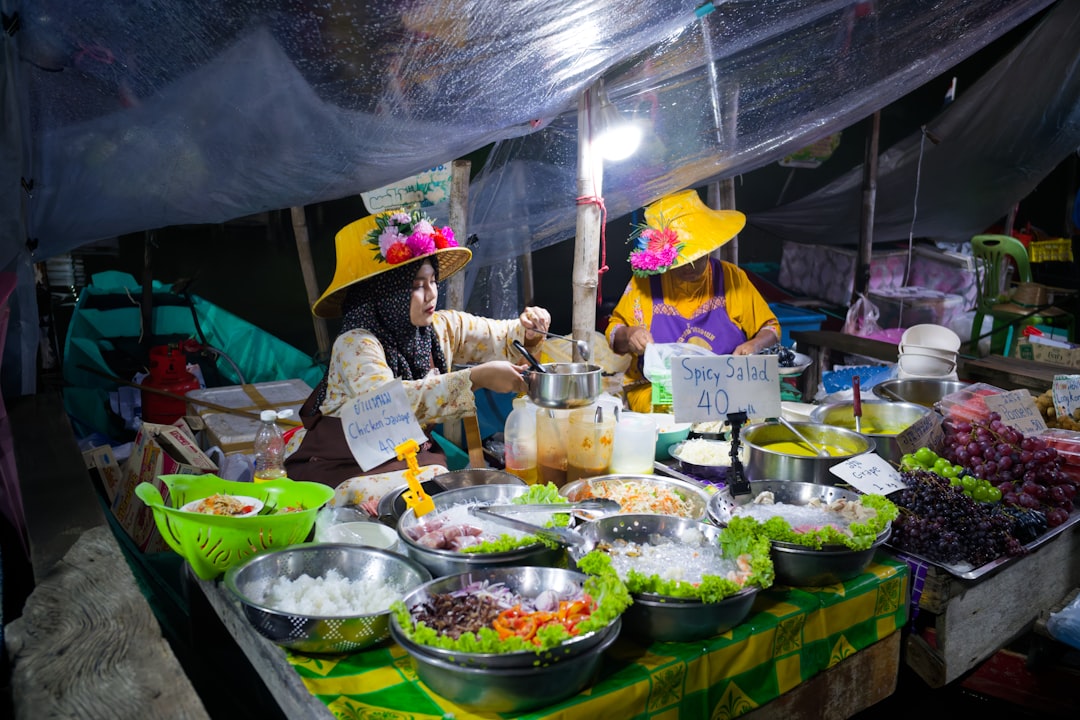
Have you ever found yourself dreaming of a vacation where every meal is an adventure, a story waiting to be told? I know I have! In today’s dynamic travel landscape, culinary tourism isn’t just a niche; it’s a driving force for many explorers. We’re not just looking for beautiful sights anymore; we’re seeking authentic connections through the universal language of food. This year and next, get ready to embark on journeys that tantalize your taste buds and enrich your soul. Let’s dive into the exciting world of global food travel! 😊
The Rise of Culinary Tourism: What’s Cooking for 2025-2026? 🤔
Culinary tourism is experiencing an unprecedented boom, with travelers increasingly prioritizing gastronomic experiences. A 2025 report indicates that food tourism generates $150 billion annually, fueled by a strong demand for authentic dining. This trend aligns perfectly with a desire to connect with cultures through local cuisines, offering a deeper understanding of a place’s history, traditions, and lifestyle.
Experts predict that 2025 will emphasize intentional and enriching experiences, with “slow travel” gaining popularity as people seek to savor the journey instead of rushing through it. This means more multi-day cooking retreats, exclusive foraging excursions, and immersive market tours, moving beyond quick cooking classes.
According to a 2023 World Food Travel Association report, 81% of leisure tourists considered food and drink an essential factor in travel planning. This highlights just how central culinary experiences have become to our travel decisions!
Top Culinary Destinations to Explore in 2025-2026 📊
From bustling street food scenes to Michelin-starred elegance, several destinations are set to be culinary hotspots in the coming year. Travelers are increasingly avoiding overly touristy and expensive areas, opting for more local and affordable choices. Here are some of the top picks:
- Mexico City, Mexico: A paradise for food lovers, known for its vibrant street food, high-end restaurants, and chefs championing indigenous ingredients. Its authentic street food, like tacos al pastor and mole, blends ancient techniques with modern fine dining.
- Bologna, Italy: Often called Italy’s culinary crown jewel, it’s the birthplace of ragù (Bolognese sauce) and offers rich, hearty flavors. Beyond Bologna, Tuscany and Umbria remain top choices for wine and food experiences, with truffle hunts and pasta-making classes.
- Bangkok, Thailand: A street food enthusiast’s dream, offering sizzling wok-fried noodles, aromatic curries, and Michelin-rated street food vendors. It’s also gaining attention for its expansive culinary scene, with Bangkok and the islands of Koh Samui and Phuket in the spotlight.
- Kyoto, Japan: For those who appreciate delicate, intricate flavors rooted in tradition. Multi-course kaiseki meals and the serene tea culture are absolute musts. Tokyo also holds more Michelin stars than any other city, making it a paradise for refined palates.
- Barcelona, Spain: Captivates with its energetic atmosphere and diverse food scene, from tapas bars to Michelin-starred dining. Seafood is unparalleled, and paella is a must-try.
- Hoi An, Vietnam: A picturesque town with lively night markets and a unique blend of traditional culture and modern charm. Vietnam, in general, allures with immersive market tours and cooking classes.
- Malta: Despite its small size, Malta offers an excellent food scene with group cooking classes and local produce. Gozo, Malta’s sister island, is also highlighted for its sustainable travel and local produce like olive oil, citrus, wine, and cheese.
Emerging Foodie Destinations for the Adventurous Palate
| Region | Destination | Culinary Highlight | Why Visit in 2025-2026 |
|---|---|---|---|
| Europe | Alassio, Italy | Freshly-grown herbs paired with local veggies, baci biscuits. | Avoids tourist traps, focuses on local and affordable flavors. |
| Europe | Rotterdam, Netherlands | Fenix Food Factory with meats, cheeses, bread, beers. | Emerging food-focused city, diverse food hall experience. |
| South America | Belo Horizonte, Brazil | Local Brazilian cuisine. | Trending city for foodies seeking authentic experiences. |
| Africa | Marloth Park, South Africa | Unique local flavors. | Offers a blend of wildlife and culinary exploration. |
While exploring new culinary horizons, remember that dietary restrictions can complicate food travel. Always communicate your needs in advance, and consider using translation apps to navigate menus in non-English-speaking areas.
Key Checkpoints: Remember These for Your Foodie Journey! 📌
You’ve made it this far! With so much delicious information, it’s easy to forget the essentials. Here are three crucial takeaways to keep in mind for your next culinary adventure.
-
✅
Embrace Local & Authentic Experiences:
Seek out local markets, street food vendors, and cooking classes to truly immerse yourself in the culture. This often leads to more affordable and genuine culinary discoveries. -
✅
Prioritize Sustainable Food Travel:
Choose farm-to-table restaurants and minimize food waste to support local economies and reduce your environmental footprint. -
✅
Leverage Technology for Seamless Journeys:
Utilize travel apps for planning, translation, and discovering local eateries. AI-powered tools are increasingly enhancing personalized travel experiences.
Smart Travel Tips for the Modern Foodie 👩💼👨💻
Beyond choosing your destination, how you travel can significantly enhance your culinary journey. The travel industry in 2025 is poised for a transformative year, with a quest for unique, meaningful, and sustainable experiences. Technology and affordability play pivotal roles in planning.
- Embrace Sustainable Practices: Travelers are increasingly seeking carbon-neutral or even carbon-negative options. Look for hotels with green certifications, use digital tickets, and support community-based tourism. Hyper-local sourcing will dominate food and beverage trends, with hotels focusing on farm-to-table dining.
- Leverage Technology: AI-driven itineraries, biometric check-ins, and advanced forecasting are streamlining the planning process. Travel apps are widely used, with 80% of respondents in a survey using them, and 12% exploring virtual reality tours. AI is also optimizing flight paths and fuel efficiency, making sustainability easier to act on.
- Seek Authentic Local Experiences: Beyond just eating, engage with local food cultures by visiting markets, taking cooking classes, and interacting with chefs and vendors. This deepens your cultural understanding and supports local businesses.
- Consider “Noctourism”: For night owls, exploring popular tourist sights after dark can offer a unique, less crowded experience, especially in places like Kyoto. This trend is also driven by rising daytime temperatures.
- Budget-Conscious Choices: Affordability is a critical factor for many travelers. Opt for street food or local eateries for authentic and budget-friendly flavors.
Food waste has emerged as a critical sustainability focus for the tourism industry. Choosing farm-to-table restaurants and minimizing food waste helps reduce environmental impact and supports local economies.
Practical Example: A Sustainable Foodie Trip to Hoi An, Vietnam 📚
Let’s imagine planning a culinary adventure to Hoi An, Vietnam, a UNESCO World Heritage Site known for its historic architecture and vibrant lanterns. It’s also an emerging destination for foodies seeking authentic experiences.
Traveler’s Situation
- Goal: Experience authentic Vietnamese cuisine while minimizing environmental impact.
- Duration: 7 days in Hoi An and surrounding areas.
- Budget: Mid-range, prioritizing local experiences over luxury.
Planning Process & Tips Applied
1) Research Local Eateries & Markets: Instead of only looking for high-end restaurants, the traveler uses travel apps and local blogs to find highly-rated street food stalls and the best local markets. They prioritize places known for sourcing ingredients locally.
2) Book a Cooking Class: An immersive cooking class is booked to learn traditional Vietnamese dishes like pho and banh mi, directly from a local chef. This provides a deeper cultural understanding and practical skills.
3) Choose Eco-Friendly Accommodation: The traveler selects a guesthouse that emphasizes sustainable practices, such as reducing plastic waste and supporting local communities.
4) Utilize Public Transport/Bicycles: To reduce their carbon footprint and experience the town authentically, the traveler plans to explore Hoi An by bicycle and use local buses for nearby excursions.
5) Minimize Food Waste: Conscious effort is made to order appropriate portions and avoid over-ordering, supporting the global initiative to reduce food waste in tourism.
Final Outcome
– Authentic Culinary Journey: The traveler enjoys delicious, locally-sourced meals, from street food delights to home-cooked dishes learned in the cooking class.
– Reduced Environmental Impact: Through conscious choices, the trip contributes positively to the local economy and minimizes its ecological footprint.
This example illustrates how combining a passion for food with smart, sustainable travel tips can lead to a truly rewarding and responsible adventure. It’s about making choices that benefit both you and the places you visit.

Wrapping Up: Your Next Culinary Adventure Awaits! 📝
As we look ahead to 2025 and 2026, the world of travel is more exciting and flavor-filled than ever. From the bustling markets of Mexico City to the serene tea houses of Kyoto, culinary tourism offers a unique lens through which to experience our diverse planet. By embracing authenticity, sustainability, and smart planning, you can transform your next trip into an unforgettable feast for all your senses.
So, what are you waiting for? Start planning your next delicious escape! If you have any questions about these destinations or need more tips, feel free to ask in the comments below. Happy travels and happy eating! 😊
Culinary Travel Essentials
Frequently Asked Questions ❓