
Have you ever found yourself dreaming of exotic flavors and breathtaking landscapes? You’re not alone! In today’s dynamic travel landscape, more and more adventurers are seeking experiences that tantalize both the eyes and the taste buds. Gone are the days when travel was just about sightseeing; now, it’s about immersing yourself in local culture through its cuisine. This blog post is your passport to discovering the world’s most famous travel destinations and unlocking the secrets to incredible food adventures. Get ready to pack your bags and your appetite! 😊
Top Global Destinations Where Food is the Star 🤔
When we talk about famous travel destinations, iconic landmarks often come to mind. But what truly makes a destination unforgettable is often its culinary scene. From bustling street markets to Michelin-starred restaurants, food offers a unique window into a culture’s heart and soul. Let’s explore some places where the food alone is worth the journey.
Consider Japan, a perennial favorite for its exquisite balance of tradition and innovation. Beyond the cherry blossoms and ancient temples, Japan offers a culinary journey from the delicate artistry of sushi and sashimi to the comforting warmth of ramen and tempura. Each region boasts its own specialties, making every meal an exploration. Similarly, Italy continues to captivate with its regional diversity in pasta, pizza, and gelato, proving that sometimes, the simplest ingredients create the most profound flavors.
According to recent travel surveys, culinary experiences are now a primary motivator for travel for over 50% of global tourists, especially among millennials and Gen Z. This trend highlights a shift towards experiential travel.
The Exploding Trend of Culinary Tourism 📊
Culinary tourism, or food tourism, is no longer a niche market; it’s a global phenomenon. Travelers are actively seeking out destinations based on their gastronomic offerings, participating in cooking classes, food tours, and even agricultural visits. This trend is driven by a desire for authenticity, connection with local communities, and, of course, incredible food.
The global food tourism market was valued at over $1.1 trillion in 2023 and is projected to grow significantly, reaching an estimated $1.8 trillion by 2030. This growth is fueled by increased disposable income, a rise in food-focused media, and a general appreciation for diverse cuisines. Destinations are increasingly leveraging their unique culinary heritage to attract visitors, creating a vibrant and competitive landscape for food lovers.
Comparing Culinary Hotspots by Focus
| Region | Primary Culinary Focus | Key Experiences | Emerging Trends |
|---|---|---|---|
| Europe (e.g., Italy, France) | Traditional, regional specialties, fine dining | Wine tours, cooking classes, Michelin-star restaurants | Farm-to-table, sustainable dining |
| Asia (e.g., Thailand, Vietnam) | Street food, vibrant flavors, diverse spices | Street food tours, local markets, cooking schools | Fusion cuisine, plant-based options |
| Americas (e.g., Mexico, Peru) | Indigenous ingredients, rich history, bold flavors | Taco tours, mezcal/pisco tastings, traditional cooking workshops | Modern interpretations of classic dishes |
| Africa (e.g., Morocco, South Africa) | Spices, stews, unique local ingredients | Tagine cooking classes, wine routes, Biltong tasting | Ethical sourcing, culinary safaris |
While exploring street food is exciting, always prioritize hygiene. Look for stalls with long lines of locals, fresh ingredients, and clean cooking areas to minimize health risks.
Key Checkpoints: Don’t Forget These! 📌
Made it this far? Great! With so much to digest (pun intended!), here are the absolute essentials to keep in mind for your next culinary adventure. These three points will ensure your trip is both delicious and seamless.
-
✅
Research is Your Best Friend
Before you go, dive deep into local cuisines, famous dishes, and reputable eateries. This saves time and ensures you hit the culinary highlights. -
✅
Embrace Local Immersion
Don’t be afraid to try street food, visit local markets, and take cooking classes. These experiences offer authentic flavors and cultural insights. -
✅
Budget Smart for Food
Allocate a realistic portion of your travel budget to food. This allows for both affordable local eats and a splurge on a memorable dining experience.
Essential Tips for Your Next Food Journey 👩💼👨💻
Now that you’re inspired, let’s get practical. Here are some actionable tips to ensure your food travel experiences are nothing short of spectacular. These insights will help you navigate new culinary landscapes like a seasoned pro.
- Go Beyond the Tourist Traps: Venture a few blocks away from major attractions to find more authentic and often more affordable dining options.
- Learn Basic Food Phrases: Knowing how to say “delicious,” “thank you,” or ask about ingredients can greatly enhance your experience and show respect for local culture.
- Embrace Food Tours: These guided experiences are fantastic for sampling a variety of dishes, learning about local history, and discovering hidden gems.
- Consider Cooking Classes: A hands-on cooking class is an immersive way to understand local ingredients and techniques, giving you skills to recreate dishes at home.
- Be Adventurous (Within Reason): Try new things, but always be mindful of your dietary restrictions and potential allergens.
Always carry some local currency, especially for street food vendors or smaller, traditional eateries that might not accept credit cards.
Real-World Example: A Vietnamese Culinary Expedition 📚
Let’s imagine a traveler, Sarah, embarking on a culinary journey through Vietnam. Her goal: to experience the authentic flavors of Hanoi and Ho Chi Minh City.
Sarah’s Situation
- Destination: Hanoi & Ho Chi Minh City, Vietnam
- Duration: 10 days
- Budget: Moderate, with a focus on local experiences
Her Approach
1) Pre-trip Research: Sarah used food blogs and local guides to identify must-try dishes like Pho, Banh Mi, Bun Cha, and Egg Coffee. She also noted highly-rated street food stalls and local markets.
2) Local Immersion: In Hanoi, she joined a street food tour on her first evening, which helped her gain confidence in trying various dishes and understanding local customs. She also took a cooking class to learn how to make spring rolls and a traditional Vietnamese curry.
3) Flexibility & Openness: While she had a list, she also allowed for spontaneous discoveries, trying recommendations from locals and exploring hidden alleyways for unique eateries.
Final Results
– Unforgettable Flavors: Sarah savored the best Pho she’d ever tasted at a tiny, bustling stall and discovered a passion for Vietnamese coffee.
– Cultural Connection: Through her cooking class and interactions with vendors, she gained a deeper appreciation for Vietnamese culture and hospitality.
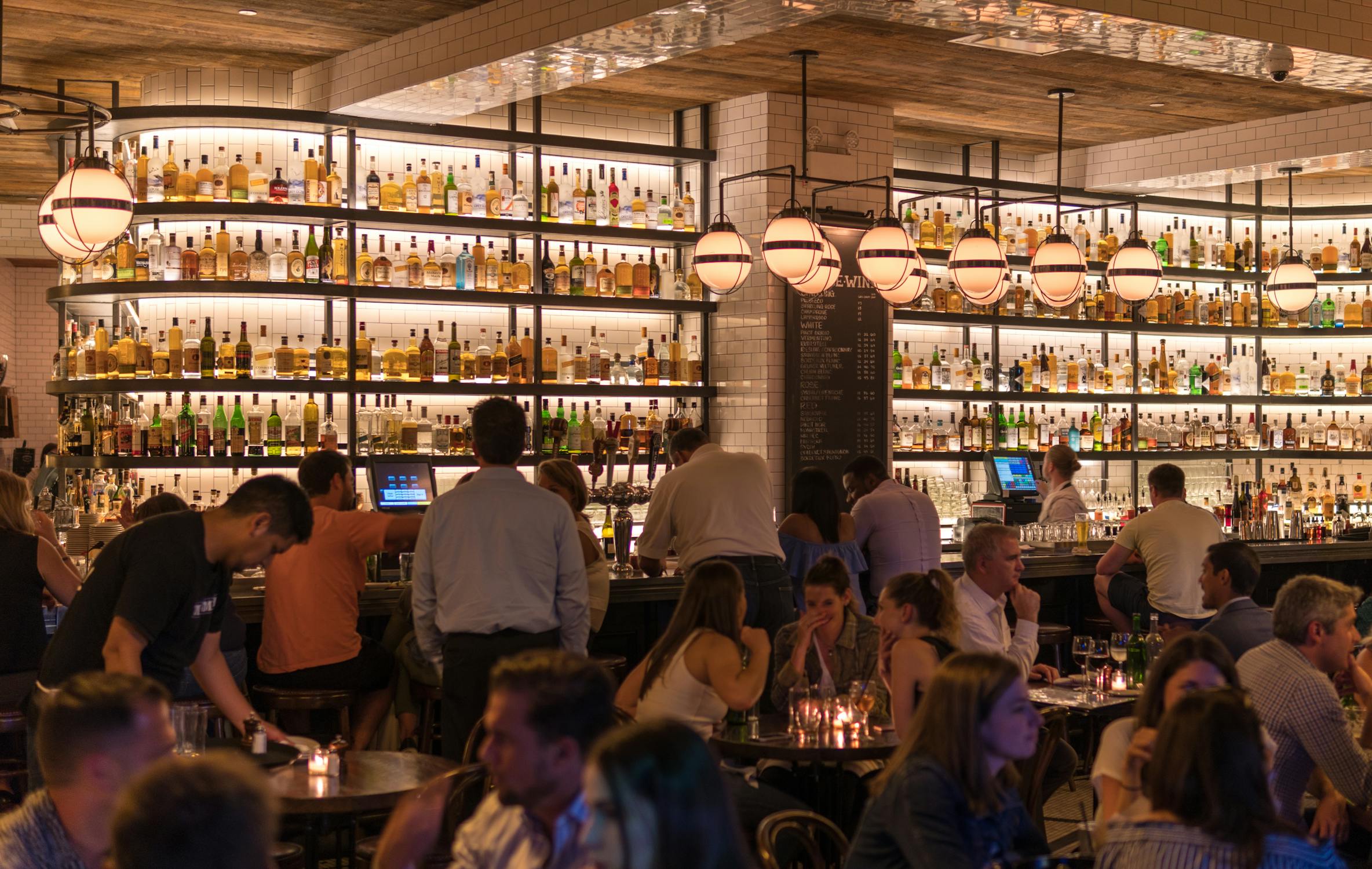
Sarah’s experience highlights that with a little planning and a lot of openness, food travel can be incredibly rewarding, offering not just delicious meals but also profound cultural insights. It’s about more than just eating; it’s about experiencing life through food.
Wrapping Up: Your Next Culinary Adventure Awaits! 📝
The world is a vast and delicious place, brimming with incredible travel destinations and culinary treasures waiting to be discovered. Whether you’re a seasoned foodie or just starting your gastronomic journey, remember that every meal abroad is an opportunity for adventure and cultural understanding.
Don’t just travel; taste! Use these tips to plan your next unforgettable trip, where every bite tells a story and every destination leaves a lasting flavor. What’s your dream food destination? Let us know in the comments below! 😊
Your Culinary Travel Cheat Sheet
Frequently Asked Questions ❓