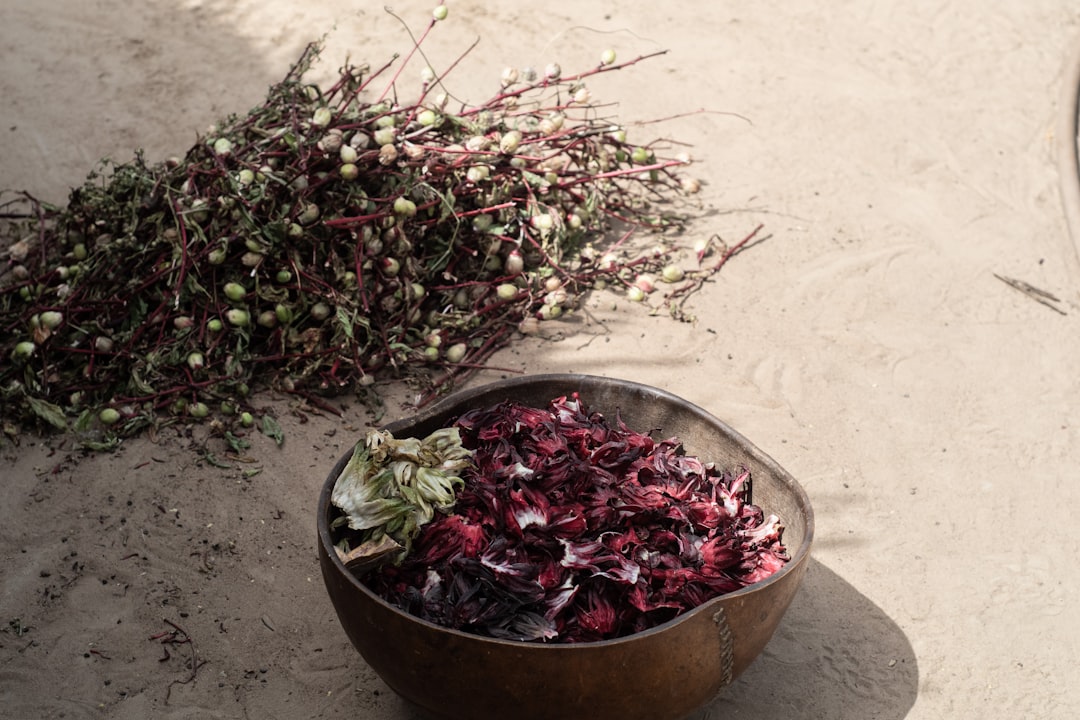
Have you ever planned an entire trip around a single dish? Or found yourself wandering through a bustling foreign market, completely captivated by the sights, sounds, and smells of local ingredients? If so, you’re not alone! Food has always been a powerful gateway to culture, and in 2026, culinary tourism is more vibrant and diverse than ever. Travelers are increasingly prioritizing authentic food experiences, seeking out everything from Michelin-starred dining to humble street food stalls. Let’s dive into the exciting world of global food travel and uncover some delicious tips for your next adventure! 😊
The Booming Appetite for Culinary Tourism 🤔
The global culinary tourism market is experiencing phenomenal growth. Valued at an estimated $16.11 billion in 2025, it’s projected to reach an astounding $76.36 billion by 2033, growing at a compound annual growth rate (CAGR) of 21.9% from 2026 to 2033. This surge is driven by a growing interest in authentic and immersive food experiences, as travelers seek to connect with local cultures through their cuisine. In fact, over half of leisure travelers consider themselves “food travelers,” and a significant 81% engage with food and drink learning on their trips.
This isn’t just about fine dining anymore. While luxury dining is evolving to be more inclusive and approachable, the trend is shifting towards meaningful food experiences that tell a story. Travelers are ditching white tablecloths for home-cooked meals in remote corners of the globe, seeking out hole-in-the-wall restaurants, local favorites, and generational chefs. Social media platforms like TikTok and Instagram have played a huge role in amplifying this trend, inspiring food enthusiasts to discover and share unique gastronomic destinations.
Culinary travelers spend approximately 34% more per trip than regular tourists, significantly boosting local economies. This revenue supports small businesses, farming communities, and the hospitality industry, creating jobs and preserving heritage ingredients.
Top Global Food Destinations for 2026 📊
As we navigate 2026, several destinations are receiving international recognition for their unique culinary offerings, while others continue to shine with their timeless appeal. Here are some of the top foodie destinations to watch this year:
Must-Visit Culinary Hotspots
| Destination | Culinary Highlight | Why Visit in 2026 | Key Dishes/Experiences |
|---|---|---|---|
| Crete, Greece | Mediterranean Food Paradise | Designated European Region of Gastronomy 2026. | Sfakianopita, bougatsa, wild herbs, olive oil. |
| Hong Kong | Street Food Meets Fine Dining | Unmatched culinary range, constantly evolving. | Dim sum, Cantonese classics, hyper-local specialties. |
| Medellín, Colombia | Creative, Modern Culinary Scene | Gaining international attention. | Innovative dishes, vibrant local flavors. |
| Osaka, Japan | Authentic Japanese City Life & Food | Less touristy than Tokyo, rich food culture. | Takoyaki, Okonomiyaki, tea ceremonies, ramen. |
| Sri Lanka | Curry Lover’s Paradise | Trending “hidden gem” destination for 2026. | Fragrant curries, tropical fruits, cooking classes. |
Other notable destinations for foodies in 2026 include Fez (Morocco), Minas Gerais (Brazil), Parramatta (Sydney, Australia), Patan (Nepal), Prince Edward County (Canada), and Boston (USA). These locations offer a diverse range of culinary experiences, from traditional regional dishes to innovative modern cuisine. The key trend is authenticity, regional identity, and eating like locals.
While exploring street food is a fantastic way to experience local culture, always prioritize hygiene. Look for stalls with long lines of locals, fresh ingredients, and high turnover to ensure a safe and delicious experience.
Key Checkpoints: Don’t Miss These! 📌
You’ve made it this far! With so much delicious information, it’s easy to get lost. Let’s quickly recap the most important takeaways for your 2026 food adventures. Remember these three things:
-
✅
Embrace Authenticity Over Luxury:
The biggest trend in 2026 is seeking out genuine local dining experiences, from street food to family-run eateries, rather than just Michelin-starred restaurants. -
✅
Prioritize Sustainable & Local Choices:
Support local farmers and businesses by choosing farm-to-table options and participating in food events that benefit the community. -
✅
Participate, Don’t Just Consume:
Engage in cooking classes, food tours, or even grocery shopping to truly understand a culture through its cuisine.
Smart Travel Tips for the Discerning Foodie 👩💼👨💻
To truly make the most of your culinary journey, a little planning goes a long way. Here are some pro tips to enhance your food-focused travels in 2026:
- Do Your Research: Before you go, look up local specialties, famous markets, and highly-rated street food vendors. Websites like TasteAtlas and local food blogs are invaluable resources.
- Embrace Street Food: Often the heart of a local food scene, street food offers incredible flavors at affordable prices. Just remember our hygiene tip!
- Take a Cooking Class: This is an amazing way to immerse yourself in the local culture and learn traditional recipes you can recreate at home. Sri Lanka and Mexico are excellent for this.
- Join a Food Tour: Let a local expert guide you through hidden gems and explain the history and significance of the dishes you’re trying.
- Visit Local Markets: Beyond just eating, exploring local markets gives you a glimpse into daily life and the fresh ingredients that define the cuisine. Many travelers find joy in browsing foreign grocery aisles.
- Travel Off-Peak: Not only can this save you money, but it also allows for a more authentic experience with fewer crowds and more interaction with locals.
- Learn Basic Phrases: Even a few words like “hello,” “thank you,” and “delicious” in the local language can open doors and enhance your interactions.
According to Skyscanner’s 2026 Travel Trends Report, 68% of travelers believe sampling local food is the best way to understand culture, and 54% feel that grocery shopping makes them feel more like a local than a tourist. Don’t underestimate the power of a local supermarket haul!
Sustainable & Ethical Food Travel: Making a Difference 📚
As our desire to explore the world’s flavors grows, so does our responsibility to travel consciously. Sustainable food tourism is a significant trend in 2026, emphasizing eco-friendly practices and supporting local communities. This means choosing farm-to-table dining, reducing food waste, and supporting local farmers and producers.

When you choose local eateries over global chains, you’re not just getting a more authentic meal; you’re also ensuring that more of your money stays within the community. Research shows that for every $100 spent at local establishments, about $350 circulates within the community, compared to global chains which extract 85% of their profits. This focus on sustainability is not only beneficial for the environment but also for the long-term economic viability of the destination.
The “Community Impact” Factor
- By 2025, 53% of surveyed travelers were aware of tourism’s impact on communities.
- 69% stated they wanted to leave the places they visited in better condition than they found them.
- This mindset is expected to grow further in 2026, with guests seeking experiences that avoid overcrowding and support local livelihoods.
How to Practice Sustainable Food Travel
1) Choose restaurants that source ingredients locally and seasonally.
2) Participate in community-based culinary tours or cooking experiences.
3) Reduce food waste by ordering thoughtfully and bringing reusable containers.
4) Support food festivals and events that promote regional specialties and local producers.
By making conscious choices, you can ensure your culinary adventures not only tantalize your taste buds but also contribute positively to the places you visit.
Wrapping Up: Your Next Delicious Journey Awaits! 📝
Food travel in 2026 is about more than just eating; it’s about connecting, learning, and experiencing the world through its incredible flavors. From the bustling street markets of Hong Kong to the serene olive groves of Crete, each destination offers a unique story waiting to be savored. The trends clearly show a shift towards authenticity, sustainability, and immersive participation, making your travel experiences richer and more impactful.
So, what are you waiting for? Start planning your next culinary adventure today! Whether it’s a cooking class in Sri Lanka or a street food tour in Medellín, the world’s kitchens are calling. If you have any questions or your own favorite food travel tips, please share them in the comments below! Happy travels and happy eating! 😊
Culinary Travel 2026: Key Takeaways
Frequently Asked Questions ❓