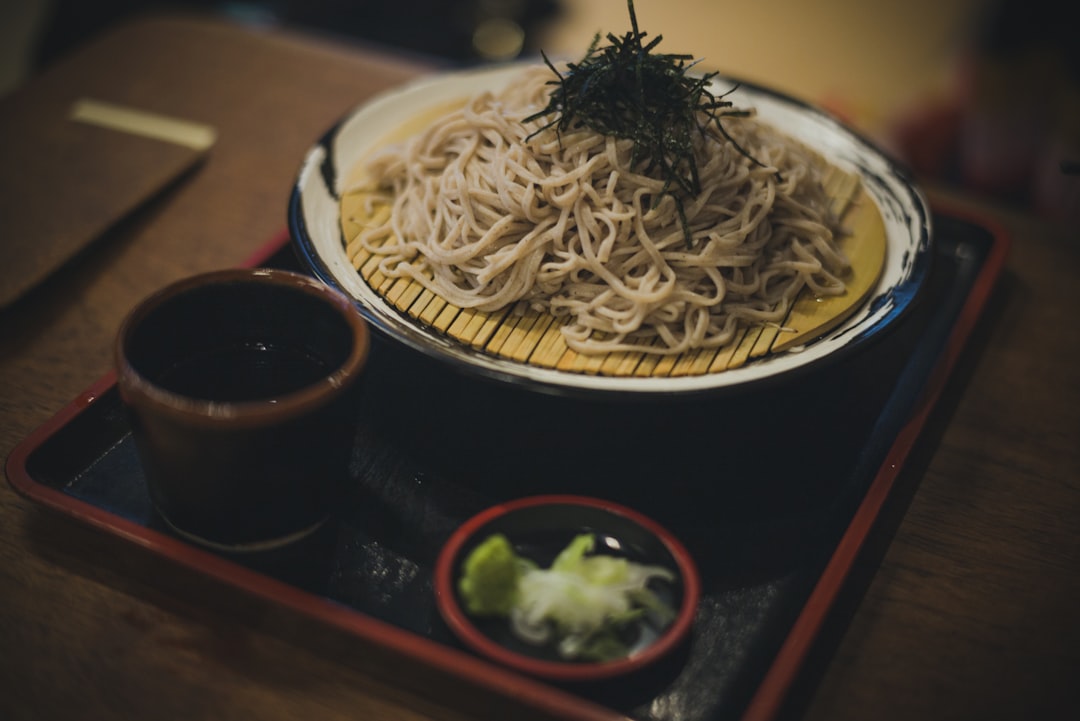
Have you ever planned an entire trip around what you’re going to eat? If so, you’re definitely not alone! Food travel, or culinary tourism, has exploded in popularity, transforming how we experience new cultures and destinations. In 2026, it’s all about diving deep into local flavors, seeking out authentic experiences, and doing it all with a mindful approach. I mean, who doesn’t love a good meal that tells a story? Let’s embark on a delicious journey to uncover the hottest culinary destinations and smart tips for your next gastronomic adventure! 😊
The Global Culinary Landscape: Top Destinations for 2026 🤔
The world’s culinary scene is more vibrant and diverse than ever, with travelers increasingly prioritizing food experiences. According to a 2025 Hilton Trends report, nearly half of global travelers now book restaurant reservations even before their flights! This clearly shows how central food has become to our travel plans. So, where should your taste buds take you in 2026?
European cities, particularly those in Italy, continue to dominate the rankings for best food cities. In the 2025-26 TasteAtlas list, Italian cities claimed six of the top ten spots, with Naples leading the charge. But it’s not just about traditional European fare; emerging destinations are also making their mark.
Italy is not only home to six of the top 10 food cities in 2025-26, but Italian cuisine is also ranked as the world’s best in the same year!
Must-Visit Food Cities & Emerging Stars 📊
Let’s dive into some of the top culinary destinations that are set to tantalize travelers in 2026:
Top Food Cities (2025-2026 Rankings)
| Rank | City, Country | Highlights | Must-Try Dishes |
|---|---|---|---|
| 1 | Naples, Italy | Birthplace of pizza, rich culinary heritage. | Pizza Margherita, Gnocchi alla Sorrentina, Sfogliatella |
| 2 | Milan, Italy | Fashion capital with exquisite cuisine. | Risotto alla Milanese, Cotoletta alla Milanese |
| 5 | Mumbai, India | Diverse flavors, vibrant street food scene. | Bhelpuri, Pav bhaji, Vada pav |
| 10 | Lima, Peru | South American culinary powerhouse. | Ceviche, Lomo Saltado (general Peruvian cuisine) |
Beyond these top-ranked cities, other destinations are gaining significant traction for their unique food offerings. Mexico City is redefining heritage flavors, blending street food authenticity with fine dining experiences, and even received a Michelin star for a humble taco stand. Busan, South Korea, is also catching the eye of global food critics with its first-rate street food and a new wave of chefs elevating its dining scene. And let’s not forget Crete, Greece, which has been designated the European Region of Gastronomy 2026, celebrated for its exceptional local ingredients and regional specialties.
While popular destinations are fantastic, don’t overlook emerging food scenes. These often offer more authentic experiences and can be more budget-friendly before they become major tourist hotspots!
Key Checkpoints: Your Food Travel Essentials! 📌
Made it this far? Awesome! With so much deliciousness to explore, it’s easy to get overwhelmed. Here are three crucial takeaways to keep in mind for your next food-focused journey.
-
✅
Embrace Local & Authentic Experiences:
Seek out street food, local markets, and family-run eateries for the most genuine flavors and cultural immersion. This is where the heart of a destination’s cuisine truly lies. -
✅
Travel Smart, Eat Smart:
Prioritize lunch specials, cook some of your own meals, and utilize food tours to sample a variety of dishes without overspending. -
✅
Consider Sustainability:
Look for establishments that source locally, reduce waste, and support fair labor practices. Regenerative food tourism is a growing trend that benefits both travelers and local communities.
Smart Food Travel Tips: Savoring on a Budget 👩💼👨💻
Let’s be real, delicious food can sometimes come with a hefty price tag. But it doesn’t have to! Here are some of my favorite tips for experiencing incredible culinary delights without emptying your wallet. These strategies are key for any savvy food traveler.
- Embrace Street Food: This is arguably the best way to experience local cuisine on a budget. Look for bustling food stalls and markets where locals line up – that’s usually a sign of delicious and affordable eats!
- Opt for Lunch Specials: Many high-end restaurants offer more affordable lunch menus or set courses. It’s a fantastic way to sample gourmet food without the dinner price tag.
- Visit Local Markets: Not only can you find fresh, local ingredients if you have cooking facilities, but many markets also have eateries serving authentic, inexpensive meals.
- Cook Your Own Meals: If your accommodation has a kitchenette, hit up a local grocery store or market. It’s a fun cultural experience and a huge money-saver.
- Share Dishes: Portions can be generous, especially in some cultures. Sharing meals with travel companions can cut costs and allow you to try more variety.
- Look for Handwritten Menus: Rick Steves, a renowned travel expert, suggests that handwritten or simple, smaller menus often indicate authentic, cheaper, and higher-quality local eateries.
- Ask Locals for Recommendations: They know the hidden gems and affordable spots that guidebooks might miss.
Download local food apps or use review websites to discover hidden culinary treasures and read reviews from fellow travelers. This can lead you to incredible, budget-friendly local favorites!
The Rise of Sustainable Food Tourism 📚
Beyond just deliciousness, there’s a growing movement towards sustainable and regenerative food tourism. Travelers are increasingly mindful of reducing their impact and supporting local communities. This means seeking out farm-to-table experiences, supporting local producers, and engaging in practices that preserve culinary heritage.
Case Study: Regenerative Food Tourism in Action
- Destination: Puglia, Italy & British Columbia, Canada
- Focus: Agroecological farming, Indigenous-led food experiences.
Key Practices
1) Travelers participate in harvesting olives on agroecological farms or planting herbs with community co-ops.
2) Meals are prepared using hyper-local, seasonal ingredients, often with traditional methods.
Benefits
– Supports local economies and small businesses.
– Preserves unique culinary heritage and traditional farming methods.
This trend isn’t just about eating well; it’s about eating responsibly and connecting with the stories behind our food. It’s a powerful way to make your travel experiences more meaningful and impactful.

Wrapping Up: Your Next Culinary Adventure Awaits! 📝
As we’ve explored, the world of food travel in 2026 is rich with opportunities, from savoring classic Italian dishes to discovering the vibrant street food of Mumbai and the sustainable practices of emerging culinary regions. Whether you’re a seasoned foodie or just starting your gastronomic journey, remember to embrace authenticity, travel smart, and consider the impact of your choices.
So, what’s calling your name? A Michelin-starred taco in Mexico City, or perhaps a cooking class in a Tuscan villa? The possibilities are endless, and the flavors are waiting! If you have any questions or want to share your favorite food travel tips, drop a comment below. Happy eating and safe travels! 😊
Culinary Travel Snapshot 2026
Frequently Asked Questions ❓