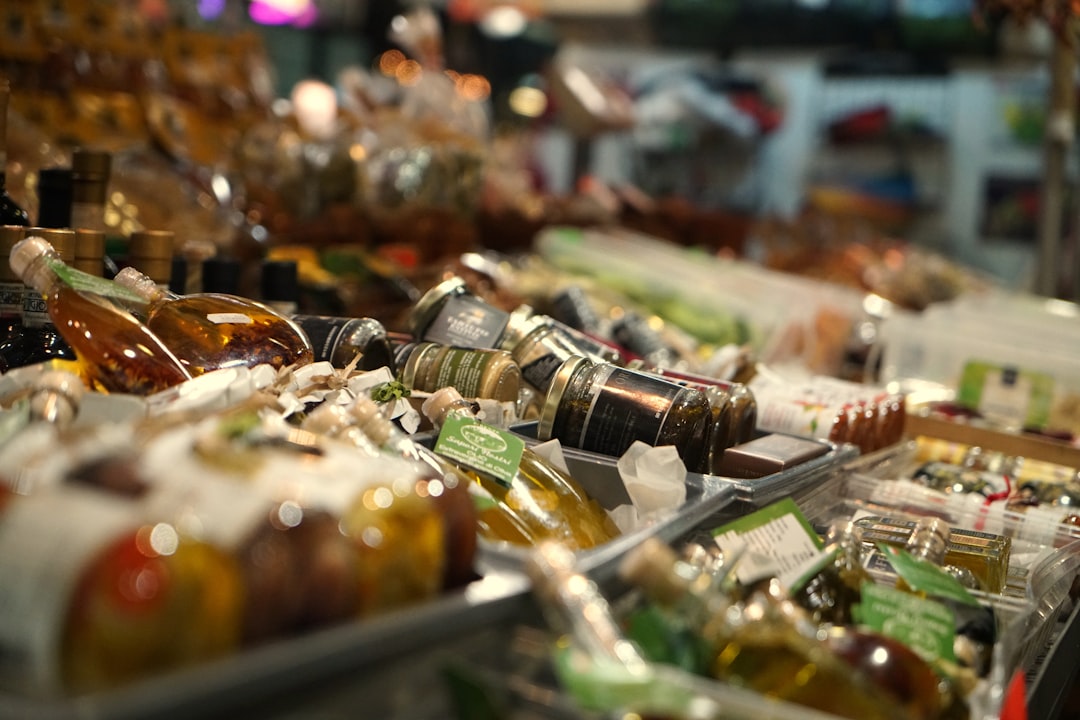
Hey fellow food lovers! Have you ever found yourself scrolling through endless travel photos, only to stop dead in your tracks at a mouth-watering dish you just *have* to try? I know I have! It seems like more and more of us are planning our trips around our taste buds, and honestly, I’m here for it. Food isn’t just sustenance; it’s a window into culture, history, and the heart of a destination. So, if you’re ready to embark on a culinary journey that will tantalize your senses and create lasting memories, you’ve come to the right place! Let’s dive into the delicious world of food travel in 2026! 😊
The Exploding World of Culinary Tourism: Trends and Statistics 🤔
Culinary tourism, also known as gastronomy tourism, is no longer a niche market; it’s a global phenomenon! Travelers are increasingly planning their entire itineraries around food experiences, from market tours and tasting menus to vibrant regional food festivals. This shift highlights how food has become a primary motivator for travel, not just a pleasant add-on.
The numbers don’t lie: the global culinary tourism market is experiencing rapid growth. It reached an estimated USD 1,248.2 billion in 2025 and is projected to soar to USD 4,258.3 billion by 2034, exhibiting a compound annual growth rate (CAGR) of 14.17% from 2026 to 2034. Another report indicates a CAGR of 15.6% from 2025 to 2026, with the market growing from $1067.91 billion in 2025 to $1234.36 billion in 2026. This incredible growth is fueled by a growing interest in authentic experiences, the significant influence of social media, and a rising focus on health and wellness.
Did you know that 88% of tourists consider food experiences essential, and 64% prioritize exploring local cuisine when they travel? It’s clear that our collective appetite for authentic culinary adventures is stronger than ever!
Top Global Food Destinations to Explore in 2026 📊
So, where should your taste buds take you this year? Experts and travelers alike are buzzing about several incredible destinations for their vibrant food scenes. Here are some of the top picks for 2026:
- Tokyo, Japan: Consistently praised for its culinary perfection, Tokyo offers everything from authentic regional ramen to exquisite Kaiseki dining and bustling street food.
- Lima, Peru: A South American star, Lima is celebrated for its amazing ceviche and is also the home of quinoa. It boasts a thriving cacao industry, offering unique chocolate workshops.
- Bangkok, Thailand: A true street food paradise, Bangkok continues to draw foodies with its diverse and flavorful offerings.
- Bologna, Italy: Known as Italy’s “Food Valley,” Bologna is a must-visit for authentic Italian cuisine, including Parmigiano Reggiano and balsamic vinegar.
- Oaxaca, Mexico: Immerse yourself in indigenous culinary heritage with unique flavors and traditional dishes.
- Istanbul, Turkey: Where East meets West, Istanbul offers a rich tapestry of flavors and culinary traditions.
- Copenhagen, Denmark: A hub for New Nordic Cuisine, Copenhagen continues to innovate and impress with its focus on fresh, local ingredients.
- Boston, USA: This city has undergone a “reinvention of the century,” with its food scene transforming into something sleek and unmissable.
- Crete, Greece: One of three European Regions of Gastronomy for 2026, Crete is lauded for its locally grown produce and excellent extra-virgin olive oil. Don’t miss dakos!
- Sri Lanka: A trending destination for curry lovers, offering bright dishes bursting with fragrant aromas and tropical fruits. Consider taking a cooking class here!
- Ho Chi Minh City, Vietnam: Experience a thriving high-end restaurant scene alongside renowned street food like pho and banh mi.
- Venice, Italy: Topping some lists, Venice is experiencing a culinary renaissance with luxury hotel openings and restaurant renovations refreshing its famous lagoon cuisine.
- Basque Country, Spain: This region combines world-famous gastronomy, from pintxos to Michelin-starred restaurants, with a rich cultural scene.
Beyond these, emerging culinary scenes in places like Wrocław, Poland; Jiangsu, China; Cebu, Philippines; and Cappadocia, Türkiye are gaining recognition, thanks in part to new Michelin Guides.
Must-Try Dishes & Destinations Table
| Destination | Signature Dish/Experience | Cuisine Style | Key Highlight |
|---|---|---|---|
| Tokyo, Japan | Ramen, Sushi, Kaiseki | Traditional & Modern Japanese | Culinary perfection, diverse offerings |
| Lima, Peru | Ceviche, Quinoa dishes, Cacao | Peruvian, Fusion | South American star, unique flavors |
| Bologna, Italy | Parmigiano Reggiano, Balsamic Vinegar, Pasta | Classic Italian, Emilia-Romagna | “Food Valley,” authentic ingredients |
| Crete, Greece | Dakos, Olive Oil, Local Produce | Mediterranean, Greek Island | Region of Gastronomy 2026, fresh ingredients |
While popular destinations are fantastic, don’t overlook emerging food scenes! Places like Cebu, Philippines, and Wrocław, Poland, are gaining recognition and offer unique culinary experiences before they become overcrowded.
Key Checkpoints: Don’t Forget These Food Travel Essentials! 📌
You’ve made it this far, and I know there’s a lot to digest (pun intended!). So, let’s quickly recap the most important takeaways for your next food-focused trip. Keep these three points in mind, and you’ll be well on your way to a truly epicurean adventure.
-
✅
Embrace Local & Authentic Experiences:
The heart of food travel lies in immersing yourself in local culture through its cuisine. Seek out street food, local markets, and cooking classes for genuine encounters. -
✅
Plan Smart, Especially for Budget & Bookings:
Utilize AI tools for itinerary planning and book popular restaurants well in advance. Don’t forget budget-friendly options like street food to maximize your culinary exploration. -
✅
Consider Sustainable & Ethical Choices:
Support local producers, reduce food waste, and choose experiences that benefit the community. Regenerative culinary travel is a growing trend for a reason!
Essential Food Travel Tips for the Savvy Foodie 👩💼👨💻
Now that you know where to go, let’s talk about *how* to make the most of your food-focused journey. These tips will help you navigate, savor, and truly experience the local flavors.
- Do Your Research: Before you go, look up local specialties, famous restaurants, and food markets. Blogs, travel guides, and social media (especially TikTok and Instagram) are great resources.
- Embrace Street Food: This is often where you’ll find the most authentic and delicious local flavors, usually at a fraction of the cost of sit-down restaurants. Don’t be afraid to try new things!
- Take a Cooking Class: This is an incredible way to immerse yourself in the local culture, learn new skills, and bring a piece of your culinary adventure home with you. Many culinary travelers are eager to learn regional cooking methods.
- Visit Local Markets: Farmers’ markets and food halls are fantastic places to see fresh produce, interact with local vendors, and sample regional delicacies.
- Book in Advance: For popular or Michelin-starred restaurants, reservations can be essential, sometimes months in advance.
- Be Open-Minded: Step out of your comfort zone! Some of the best food experiences come from trying something you never expected.
- Stay Hydrated and Pace Yourself: You’ll want to try everything, but it’s a marathon, not a sprint!
- Use AI for Planning: Generative AI tools are transforming trip planning, with nearly a quarter of travelers using them in late 2025. They can help with routes, packing lists, budget tracking, and on-trip recommendations, cutting planning time by up to 70%.
Social media, especially short-form video platforms, is a huge inspiration for travel planning. Over half of Gen Z travelers use it for research, and 71% of travelers are inspired by online food content. Don’t underestimate the power of a well-placed food video!
Sustainable and Ethical Food Travel: A Growing Movement 📚
As we explore the world’s culinary delights, it’s more important than ever to consider the impact of our travels. Sustainable and ethical food tourism is a significant trend in 2026, with travelers seeking experiences that restore ecosystems, uplift communities, and protect food heritage.
- Support Local: Choose restaurants and vendors that source ingredients locally, supporting the community and reducing your carbon footprint.
- Reduce Food Waste: Be mindful of portion sizes and try to minimize waste during your meals.
- Engage in Regenerative Experiences: Look for opportunities to participate in activities like harvesting olives on an agroecological farm or planting herbs with a community co-op.
- Choose Sustainable Accommodations: Many hotels and resorts are now offering sustainable dining options and practices.

This focus on “whycations” means travelers are building itineraries around their “why,” focusing on how travel impacts them and the places they visit, often prioritizing well-being, simplicity, and regenerative depth. Younger generations, particularly Gen Z and Millennials, are leading the demand for sustainable options, with 38% of Millennials and 42% of Gen Z travelers taking sustainability-related actions in their travel planning.
Real-World Example: A Sustainable Culinary Journey in Puglia, Italy 📝
- Traveler’s Situation: Sarah, a Gen Z foodie, wants an authentic Italian experience with a focus on sustainability.
- Destination Choice: Puglia, Italy, known for its agroecological farms and traditional cooking.
Journey Highlights
1) Olive Harvesting & Oil Production: Sarah participates in an olive harvest at a local farm, learning about traditional methods and the importance of sustainable agriculture. She even gets to taste freshly pressed olive oil.
2) Farm-to-Table Cooking Class: She joins a cooking class where ingredients are sourced directly from the farm. She learns to make orecchiette pasta and traditional Puglian dishes, understanding the connection between land and plate.
3) Local Market Exploration: A guided tour of a local market allows her to discover regional produce and interact with farmers, further deepening her appreciation for the local food system.
Final Outcome
– Authentic Experience: Sarah gains a profound understanding of Puglian cuisine and culture.
– Sustainable Impact: Her choices directly support local farmers and sustainable practices, aligning with her values.
This example shows how food travel can be more than just eating; it can be a meaningful exchange that benefits both the traveler and the local community. It’s about slowing down, getting your hands dirty, and truly connecting with where your food comes from.
Wrapping Up: Your Next Delicious Adventure Awaits! 📝
The world of culinary tourism in 2026 is vibrant, diverse, and full of incredible opportunities for food lovers. Whether you’re dreaming of slurping ramen in Tokyo, savoring ceviche in Lima, or exploring the sustainable farms of Puglia, there’s a delicious adventure waiting for you.
Remember to research, embrace local experiences, and consider the impact of your travels. Food is a universal language, and through it, we can connect with cultures, create unforgettable memories, and truly savor the world. What’s on your foodie bucket list for 2026? Let me know in the comments below! Happy travels and happy eating! 😊
Culinary Travel 2026: Key Takeaways
Frequently Asked Questions ❓
Copyright © 2025 QHost365.com ®