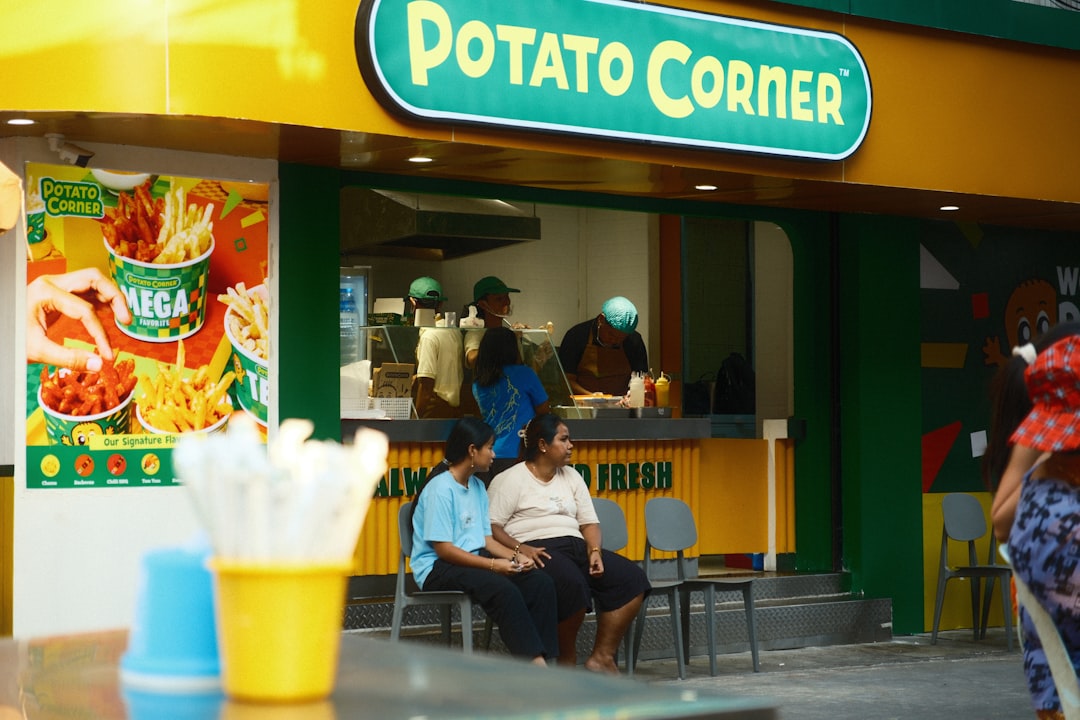
There’s something truly magical about discovering a new culture through its food. For me, the most vivid travel memories often revolve around a bustling street food stall or a cozy, hidden trattoria. It’s more than just sustenance; it’s a taste of history, passion, and the unique landscape of a destination in every single bite. If you’re like me and believe that food is often the best part of any trip, then you’re in for a treat! Let’s dive into the exciting world of culinary travel and uncover some amazing places and practical tips for your adventures in 2026. 😊
The Culinary Travel Boom: Trends and Statistics for 2026 🤔
Culinary tourism is not just a niche anymore; it’s a rapidly expanding segment of the global travel industry. The market was valued at USD 1.06 trillion in 2025 and is projected to grow to USD 1.23 trillion in 2026, demonstrating a robust compound annual growth rate (CAGR) of 15.6%. This growth is expected to continue, reaching an impressive USD 2.19 trillion by 2030. This incredible surge is fueled by an increasing consumer interest in authentic local food experiences, a desire for immersive cultural experiences, and the growing influence of social media on travel choices.
We’re seeing a shift towards “intentional travel” and a greater focus on sustainable and local food systems. Travelers, especially Millennials and Gen Z, are using platforms like Instagram and TikTok to discover hidden culinary gems and unique dining experiences. This digital exposure significantly influences travel decisions, with content from influencers sometimes leading to visitor inquiry spikes of up to 50% for promoted destinations.
Europe led the culinary tourism market in 2025 with a 32.2% revenue share, while Asia-Pacific is forecast to expand at the fastest rate with a projected CAGR of 24.7%, driven by vibrant street food tours and a focus on local culinary traditions. North America is also seeing rapid growth, with a CAGR of 21.3% from 2026 to 2033.
Top Global Destinations for the Discerning Palate in 2026 📊
So, where should you go to satisfy your foodie cravings this year? Travel And Tour World (TTW) unveiled its Top 50 Food Destinations Around the World for 2026, recognizing countries shaping the future of global culinary tourism. The ranking considers culinary heritage, regional diversity, street food, fine dining, local ingredients, beverage traditions, sustainability, authenticity, and overall visitor experience.
Mexico secured the top position, followed by Italy and Spain, highlighting their enduring influence on global gastronomy. Other notable mentions include Japan, India, the United States, Greece, Portugal, China, and Indonesia rounding out the top 10.
Culinary Hotspots to Explore:
| Destination | Why Go? | Must-Try Dishes | Key Experience |
|---|---|---|---|
| Mexico City, Mexico | Vibrant street food, rich indigenous culinary history, blend of traditions. | Al pastor tacos, churros, mole. | Street food tours in bustling markets. |
| Tokyo, Japan | Most Michelin stars globally, diverse culinary scene. | Sushi, ramen, tempura, kaiseki. | Omakase experiences or exploring local izakayas. |
| Paris, France | Birthplace of haute cuisine, iconic bistros. | Croissants, escargots, coq au vin. | Enjoying a classic French bistro meal. |
| Rome, Italy | Timeless culinary legacy, regional specialties. | Pasta (Cacio e Pepe, Carbonara), pizza, gelato. | Exploring local trattorias and pizzerias. |
| Bangkok, Thailand | Sizzling street food hubs, vibrant night markets. | Pad Thai, spicy papaya salad, crispy pork belly. | Guided tasting tours of night markets. |
While popular destinations like Italy and Japan are always fantastic for food, consider less obvious choices like Lima, Peru, or San Sebastian, Spain. Lima has produced some of the world’s best restaurants, and San Sebastian boasts an extraordinary number of Michelin stars per capita.
Key Checkpoints: Essential Food Travel Tips! 📌
Made it this far? Great! It’s easy to get lost in all the exciting details, so let’s quickly recap the most crucial tips for your next food adventure. Remember these three things above all else:
-
✅
Do Your Research (But Stay Flexible!)
Before you go, check food blogs, travel websites, and social media for local recommendations. However, also be open to spontaneous discoveries and asking locals once you arrive! -
✅
Embrace Local Experiences
Seek out places where locals eat – often away from major tourist attractions. Consider a food tour or a cooking class for deeper immersion. -
✅
Prioritize Food Safety
Always choose thoroughly cooked food served hot. Be cautious with raw produce, unpasteurized dairy, and tap water in areas with unknown sanitation.
Mastering the Art of Food Travel: Essential Tips 👩💼👨💻
Beyond choosing your destination, how do you truly maximize your culinary journey? It’s all about strategic planning and an open mind.
- Dive Deep into Local Cuisine: Before you even pack your bags, research the traditional dishes, ingredients, and eating customs of your destination. What are the regional specialties? What’s the best season to try certain foods?
- Embrace Street Food: In many parts of the world, street food is the heart of the local culinary scene. It’s often fresh, flavorful, and incredibly affordable. Look for stalls with long lines of locals – a sure sign of good food! However, always prioritize vendors with good hygiene.
- Take a Cooking Class: This is one of my favorite ways to truly connect with a culture. Learning to prepare local dishes gives you a deeper appreciation for the ingredients and techniques. The cooking classes segment is projected to be the fastest-growing type of culinary tourism, expanding at a CAGR of 12.6%.
- Visit Local Markets: From bustling fish markets to aromatic spice bazaars, local markets are a feast for the senses. It’s a fantastic way to see and sample fresh produce, interact with vendors, and get a feel for daily life.
- Learn Basic Phrases: Even a few words like “hello,” “thank you,” “delicious,” and “I have an allergy to…” can go a long way in enhancing your experience and showing respect for the local culture.
- Ask Locals for Recommendations: Hotel staff (not concierges who might get kickbacks), shop owners, and even taxi drivers can provide genuine suggestions for authentic eateries. Be specific with your requests!
Digital food discovery through social media and food review apps strongly influences travelers’ dining decisions. Use these tools, but also trust your instincts and be willing to explore off the beaten path for those truly authentic experiences.
Navigating Dietary Needs & Food Safety Abroad 📚
While culinary exploration is exciting, ensuring food safety and managing dietary needs are paramount. The World Health Organization estimates that 600 million people fall sick each year from contaminated food or drinking water. This is a serious concern, especially in areas with inadequate hygiene and sanitation.
- Food Safety First: Always choose thoroughly cooked foods that are served hot. Avoid raw or undercooked meat, fish, shellfish, and eggs. Be cautious with raw produce, including salads, unless you can peel the fruit yourself or ensure it’s been washed with safe water.
- Water Wise: Stick to bottled or canned drinks with intact seals. Avoid tap water, fountain drinks, and ice cubes made from questionable water sources.
- Hand Hygiene: Wash your hands frequently with soap and clean water, especially before eating and after using the bathroom. Carry an alcohol-based hand sanitizer for when soap and water aren’t available.
- Dietary Restrictions: If you have allergies or dietary restrictions, research how to communicate these effectively in the local language. Carry allergy cards translated into the local language to show to restaurant staff.

It’s always a good idea to consult your physician before traveling, especially for advice on necessary vaccinations or preventive measures.
Real-Life Culinary Adventure: A Day in Oaxaca, Mexico 📝
- The Setting: Oaxaca, Mexico, renowned for its deep culinary roots and vibrant food culture.
- The Goal: Experience authentic Oaxacan flavors, from street food to traditional dishes.
My Day of Discovery:
1) Morning: Started with a visit to Mercado Benito Juárez, a bustling market. Sampled fresh exotic fruits like mamey and zapote, and a traditional Tlayuda for breakfast from a local vendor. The energy was infectious, and the smells were incredible!
2) Mid-day: Joined a small, local cooking class. We learned to make mole negro from scratch, grinding chiles and spices by hand. It was a hands-on experience that truly deepened my appreciation for the complexity of Oaxacan cuisine.
3) Afternoon: Explored the charming streets, stumbling upon a small, unassuming ‘comedor’ (eatery) packed with locals. Enjoyed a simple but incredibly flavorful ‘sopa de guías’ (squash blossom soup) and ‘enfrijoladas’.
4) Evening: Finished the day with a Mezcal tasting, learning about the artisanal production and unique flavor profiles of this iconic Oaxacan spirit. The perfect end to a perfect culinary day.
Final Takeaway:
– This experience wasn’t just about eating; it was about connecting with the people, the traditions, and the soul of Oaxaca through its food. Seeking out these local, authentic experiences truly makes a difference.
By stepping out of your comfort zone and embracing the local way of eating, you’ll unlock unforgettable memories and a deeper understanding of the places you visit.
Wrapping Up: Your Next Culinary Journey Awaits! 📝
As we’ve explored, the world of culinary travel in 2026 is richer and more exciting than ever. From the bustling street food scenes of Bangkok and Mexico City to the Michelin-starred marvels of Tokyo and Paris, there’s an endless array of flavors waiting to be discovered. The key is to approach each journey with curiosity, a willingness to immerse yourself in local culture, and a mindful approach to food safety.
Don’t just travel; eat your way through the world! What’s the most memorable food experience you’ve had while traveling? Share your thoughts and questions in the comments below – I’d love to hear about your adventures! 😊