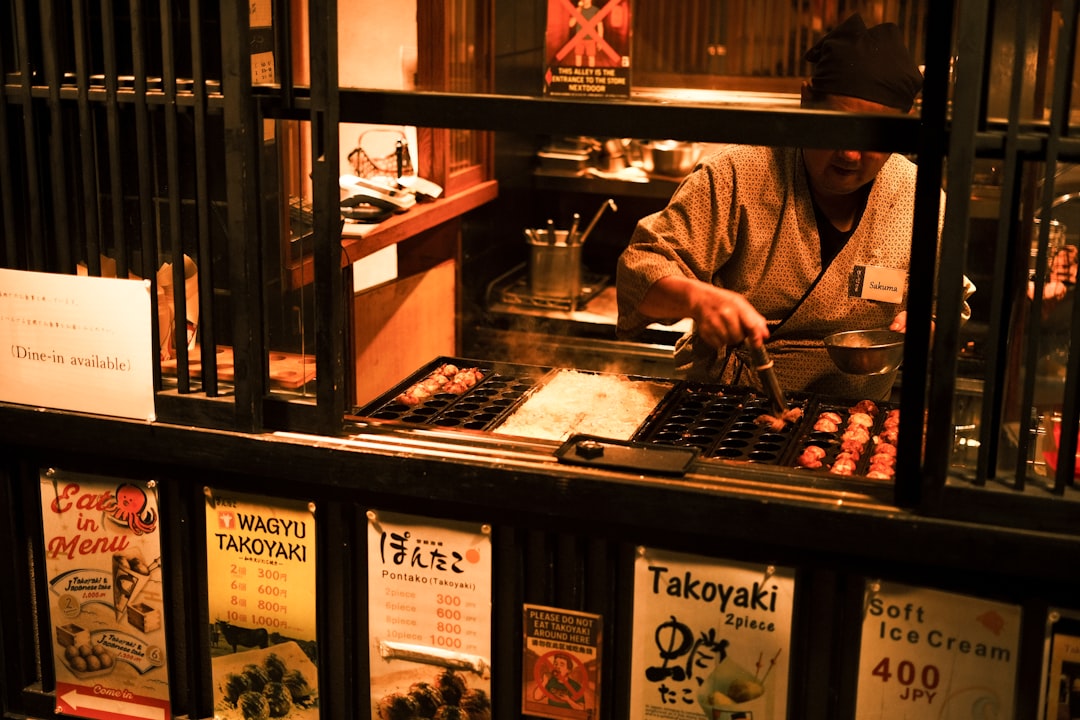
Hey fellow foodies and wanderlusters! Have you ever planned an entire trip around a single dish? Or found yourself dreaming of bustling street food markets and Michelin-starred marvels in far-off lands? If so, you’re not alone! Food has become a major driver of global travel, with more than 80% of people saying their favorite travel moments involve unique local cuisine. In 2026, the world’s most exciting journeys truly begin at the table. Let’s dive into the delicious trends and must-visit spots that will define your next gastronomic adventure! 😊
The Hottest Culinary Destinations for 2026 🔥
The culinary landscape is constantly evolving, and 2026 is shaping up to be a truly fruitful year for food lovers. Michelin Guide inspectors and travel experts have highlighted several destinations that promise memorable meals and rich cultural experiences.
Europe continues to charm with its classic flavors and emerging scenes. Venice, Italy, tops many lists, undergoing a culinary renaissance with luxury hotel openings and restaurant renovations refreshing its famous lagoon cuisine. Czechia is also gaining attention with its first nationwide Michelin Guide, showcasing everything from Prague’s restaurants to South Moravia’s spa town kitchens. The Dolomites region in northern Italy is spotlighted for its alpine cooking, and Wrocław, Poland, for its modern takes on Silesian traditions. Crete, Greece, has been designated a European Region of Gastronomy for 2026, celebrated for its exceptional local ingredients like wild herbs, seasonal vegetables, and high-quality olive oil.
Beyond Europe, new horizons are emerging. Saudi Arabia launched its own Michelin Guide, putting Riyadh and Jeddah on the global food map with a mix of traditional Arabic fare and international influences. In Asia, Cappadocia, Türkiye, known for its dramatic landscapes, is now attracting food lovers for regional Anatolian recipes and farm-to-table cooking in cave restaurants. Jiangsu Province in China, particularly Suzhou and Nanjing, offers affordable yet refined garden cuisine. The Philippines, with Manila and Cebu, shows rapidly rising food scenes, blending local favorites like sisig and sinigang with modern interpretations. Mexico City continues to be a global culinary powerhouse, where street food is as essential as fine dining, with restaurants like Quintonil and Pujol showcasing modern Mexican cooking rooted in tradition.
Food tourism’s focus has shifted from fine dining towards experiences that prioritize hands-on learning and immersion in local communities, including cooking classes, farm-to-table dining, and exploring traditional Indigenous foods.
Essential Food Travel Tips for Authentic Experiences 📊
To truly savor a destination, you need to eat like a local. Here are some practical tips to enhance your food travel experience and ensure you’re getting the most authentic flavors:
Finding Authentic Local Eateries
| Tip | Description | Why it Works |
|---|---|---|
| Ask Locals | Engage with hotel staff, shopkeepers, or even taxi drivers for their favorite spots. | They know the hidden gems away from tourist traps. |
| Look for Crowds | A busy eatery, especially with locals, often indicates good food and value. | High turnover means fresh ingredients and popular dishes. |
| Avoid Picture Menus | Restaurants with extensive picture menus are often geared towards tourists. | Authentic places focus on quality, not just visual appeal for non-locals. |
| Explore Markets & Street Stalls | Local markets and street food vendors offer fresh, affordable, and authentic tastes. | It’s a direct window into local culture and daily life. |
Beyond just finding the right spots, remember to research local food culture before you travel. Understanding the historical, social, and agricultural roots of a region’s cuisine can dramatically enhance your experience. Also, consider taking a food tour or cooking class to gain insider knowledge and connect with local chefs and food experts.
While adventurous eating is fun, foodborne illness is a common travel threat. Always prioritize hygiene: “Boil it, cook it, peel it, or forget it.” Avoid raw or undercooked meats, unpeeled fruits, salads washed in questionable water, and unpasteurized dairy. Drink bottled water and avoid ice unless you’re sure it’s made from purified water.
Key Checkpoints: Don’t Forget These! 📌
You’ve come this far, and there’s a lot of delicious information to digest! Here are the absolute essentials to keep in mind for your next food-focused journey:
-
✅
Embrace Local Recommendations:
The best food experiences often come from asking locals where they eat, not relying solely on tourist guides. -
✅
Prioritize Food Safety:
“Boil it, cook it, peel it, or forget it” is your mantra to avoid illness and enjoy your trip. -
✅
Explore Beyond Restaurants:
Dive into local markets, street food, and cooking classes for a deeper cultural immersion.
Beyond the Plate: Integrating Culture & Cuisine 👩💼👨💻
Food travel isn’t just about eating; it’s about understanding a culture through its culinary traditions. This year, there’s a strong trend towards sustainable food tourism, which focuses on respecting the origin, process, and socio-cultural, environmental, and economic impacts of food within a destination.
This means supporting local businesses, engaging with environmentally conscious farming practices, and minimizing food waste. Travelers are increasingly seeking experiences like farm-to-table dining, cooking classes that teach traditional methods, and visits to local markets where they can connect directly with producers.
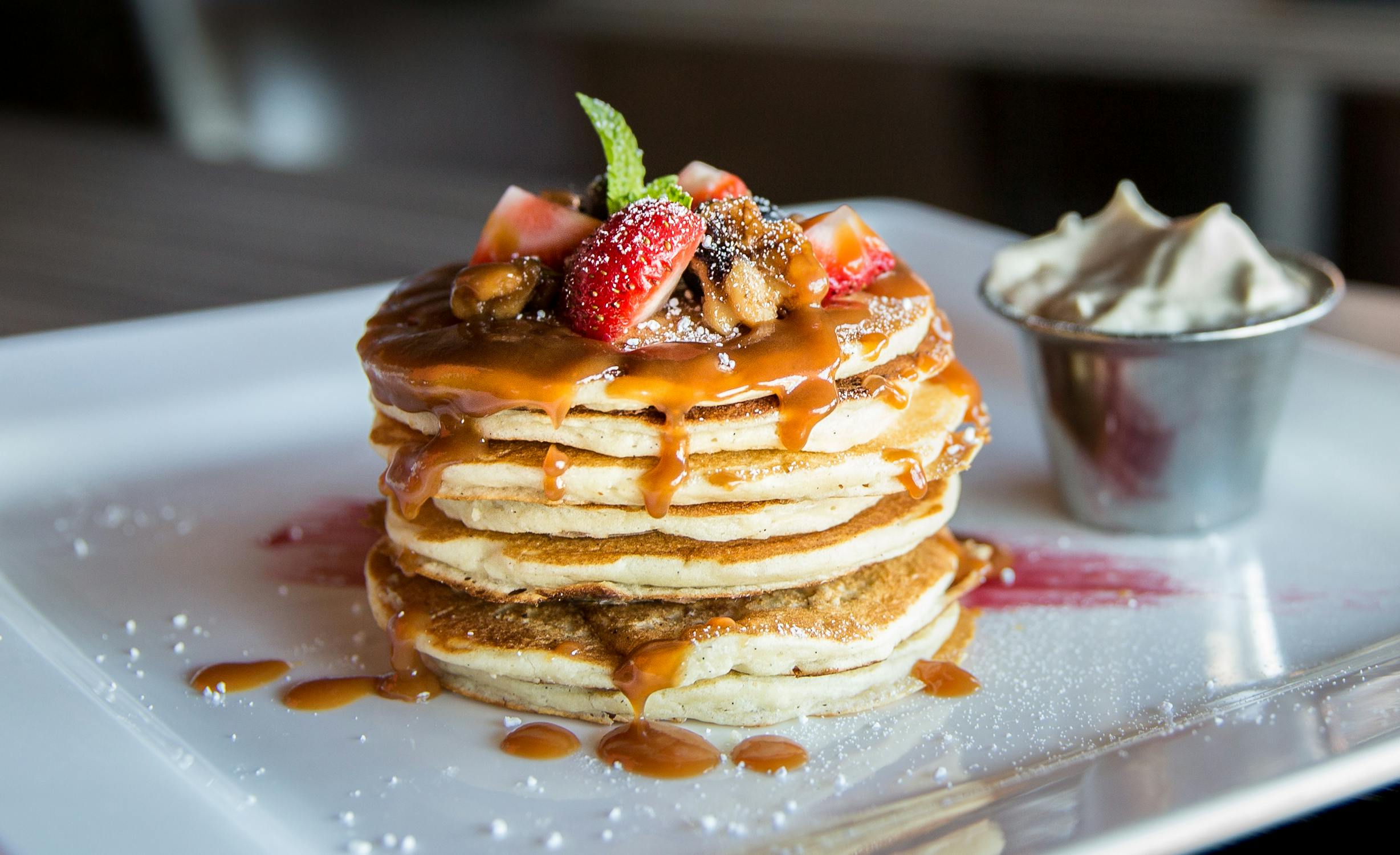
Exploring vibrant street food markets is a fantastic way to immerse yourself in local culture.
Eating out can quickly deplete your travel budget. Consider these tips: make the most of free hotel breakfasts (and pack leftovers!), go grocery shopping for some meals, opt for a fancy lunch instead of an expensive dinner, and definitely try street food.
Real-World Example: A Culinary Journey in Tokyo 📚
Let’s imagine a food adventure in Tokyo, a city that sets the global standard for eating well and takes food seriously at every level. It’s a place where chefs spend decades perfecting a single dish, and consistency matters as much as creativity.
Traveler’s Situation
- Goal: Experience authentic Japanese cuisine, from street food to refined dining, on a moderate budget.
- Duration: 7 days in Tokyo.
Culinary Strategy
1) Morning Market Exploration: Start the day at Tsukiji Outer Market or Toyosu Market for fresh seafood, tamagoyaki (rolled omelet), and local snacks. This is a great way to experience the local food scene and grab an affordable breakfast.
2) Lunch Deals: Seek out lunch sets (teishoku) at local restaurants, which offer excellent value for money compared to dinner. Many high-quality restaurants have more accessible lunch menus.
3) Street Food & Izakayas: In the evenings, explore areas like Shinjuku Golden Gai or Shibuya for diverse street food options and casual izakayas (Japanese pubs) where you can sample small plates and local drinks.
4) Cooking Class: Participate in a sushi-making or ramen-making class to understand the techniques and cultural significance of these iconic dishes.
Expected Outcome
– Diverse Culinary Exposure: From fresh sushi and ramen to tempura and yakitori, experiencing a wide range of Japanese flavors.
– Cultural Immersion: Gaining a deeper appreciation for Japanese food culture, hospitality, and the artistry behind its cuisine.
This approach allows travelers to experience Tokyo’s incredible food scene authentically, balancing budget-friendly options with immersive cultural activities. It’s about making conscious choices that enrich your journey.
Wrapping Up: Your Next Delicious Adventure Awaits! 📝
As we look to 2026, food travel is more exciting and diverse than ever. Whether you’re drawn to the ancient flavors of the Mediterranean, the vibrant street food of Asia, or the innovative culinary scenes of North America, there’s a world of taste waiting to be explored. Remember to seek out authentic experiences, prioritize food safety, and embrace the local culture through its cuisine.
So, where will your taste buds take you next? Don’t be afraid to step out of your comfort zone and discover the incredible stories told through food. If you have any questions or your own favorite food travel tips, please share them in the comments below! Happy travels and happy eating! 😊
Your 2026 Food Travel Cheat Sheet
More delicious experiences for less!
Frequently Asked Questions ❓