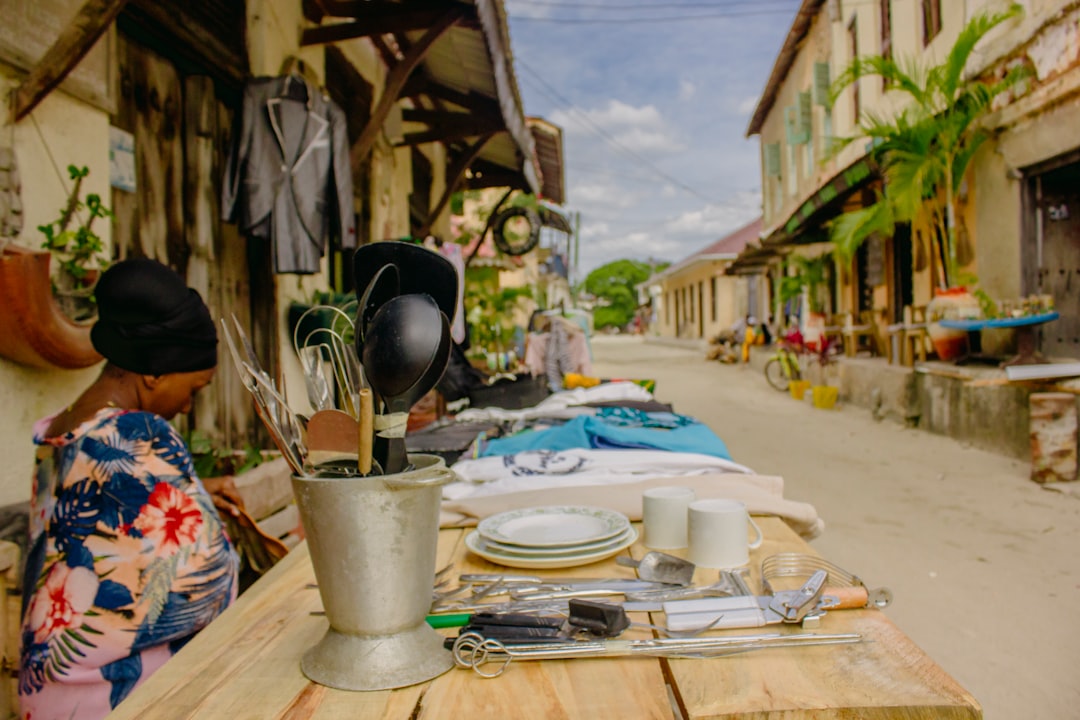
Have you ever found yourself planning a trip, only to realize that the local cuisine is actually the main event? I know I have! In 2026, travel isn’t just about seeing new places; it’s about tasting them. We’re moving beyond generic sightseeing to truly immerse ourselves in cultures through their food, seeking out those unique, local experiences that tell a story. Ready to ditch the tourist traps and dive fork-first into some incredible culinary adventures? Let’s explore the world of food travel together! 😊
The Flavorful Rise of Experiential and Culinary Travel 🤔
The way we travel is rapidly evolving. Today’s travelers are seeking more than just destinations; they’re after deep, authentic experiences and personalization. This shift has put food squarely at the center of our travel plans. It’s no longer just a side dish; it’s the main course!
Recent reports highlight that nearly 80% of global travelers now consider food and beverage important or very important when choosing a destination. In fact, tourists are allocating an average of 25% of their total travel budget specifically to food and beverages. This isn’t about fancy Michelin-starred dining every night (though we’ll get to that!). It’s about discovering local markets, trying street food, and finding those hidden gems where locals truly eat. The culinary tourism market itself is booming, projected to reach an astounding $1.23 trillion in 2026, growing at a compound annual rate of 15.6%.
The future of travel is all about “experience and personalization.” Travelers want emotional depth, physical well-being, and mental fulfillment from their journeys, with a strong emphasis on sustainability and respecting local identity.
Hot Destinations for Food Lovers in 2026 📊
So, where should your taste buds take you next? The Michelin Guide and various travel reports have identified some truly exciting culinary hotspots for 2026. Here’s a peek at where foodies are heading:
Europe: A Continent of Culinary Delights
| Destination | Why It’s Hot for Foodies | Key Flavors/Experiences |
|---|---|---|
| Venice, Italy | Undergoing a culinary renaissance with luxury openings and renewed focus on lagoon cuisine. | Seafood, traditional Venetian dishes, cicchetti. |
| Rouen, France | UNESCO Creative City of Gastronomy; known for Norman dairy excellence. | Unpasteurized cheeses, cultured butter, cream-heavy sauces, cider, calvados. |
| Budapest, Hungary | Rapidly evolving food scene with street food, fusion eateries, and specialist coffee roasters. | Paprika-spiced stews, Japanese-Hungarian fusion, natural wines. |
| Crete, Greece | Designated European Region of Gastronomy 2026; celebrated for local produce and olive oil. | Dakos, fresh local produce, outstanding extra-virgin olive oil. |
| Savoie, France | Nestled in the Alps, offering hearty dishes, excellent fish, and signature desserts. | Alpine cuisine, local wines, robust regional flavors. |
Asia & Beyond: Emerging Gastronomic Powerhouses
- Okinawa, Japan: Celebrated for its vibrant food culture alongside crystal-clear beaches and ancient ruins.
- Philippines (Manila & Cebu): On the verge of a “global breakthrough” with local favorites like sisig and sinigang getting modern interpretations.
- Cappadocia, Türkiye: Attracting food lovers with regional Anatolian recipes and farm-to-table cooking in unique cave restaurants.
- Lima, Peru: A powerhouse for ceviche, innovative fine dining, and extraordinary culinary fusion.
- Las Vegas, USA: The return of the Michelin Guide signals a new food moment, with the city’s dining scene rapidly evolving beyond casino floors.
- Cape Town, South Africa: Known for its diverse culinary scene, blending various cultural influences.
While exploring new culinary horizons, remember that food safety is paramount. Be mindful of raw meats, unpeeled produce, and questionable water sources to avoid traveler’s tummy troubles.
Key Checkpoints: Don’t Forget These! 📌
You’ve made it this far, and I know there’s a lot of information to digest! So, let’s quickly recap the absolute essentials for your next food-focused adventure. Keep these three points in mind, and you’ll be set for success!
-
✅
Embrace Local Flavors and Experiences!
Ditch the familiar and seek out authentic street food, local markets, and family-run eateries recommended by residents. This is where the true cultural story unfolds. -
✅
Budget Wisely for Culinary Delights!
Allocate around 25% of your travel budget to food and beverages to fully immerse yourself in the local gastronomic scene without stress. -
✅
Research and Respect Local Dining Etiquette!
A little research goes a long way in avoiding cultural faux pas and enhancing your dining experience, from chopstick use to meal timing.
Smart Food Travel Tips for an Unforgettable Journey 👩💼👨💻
Beyond knowing where to go, how you approach food travel can make all the difference. Here are some of my top tips for maximizing your culinary journey:
- Be Bold and Try New Things: This is your chance to step out of your comfort zone! Skip the familiar and dive into dishes you can’t pronounce. Ask locals for their favorites – you might discover something incredible.
- Learn Local Dining Etiquette: A little research goes a long way. For example, in some Middle Eastern countries, it’s rude to eat with your left hand. In Japan, never stick your chopsticks upright in your rice bowl. In France, resist eating the bread before your entree.
- Dine with the Locals: Instead of relying solely on online reviews, ask hotel staff, shopkeepers, or friendly residents for their favorite eating spots. These often lead to the most authentic and memorable experiences.
- Time Your Meals Right: Meal times vary greatly across cultures. Lunch might be the largest meal in some places, while dinner could be much later than you’re used to. Be flexible and observe local customs.
- Prioritize Food Safety: When trying street food or less familiar establishments, be cautious. Avoid raw meat, fish, shellfish, and eggs. Opt for cooked produce or fruits you can peel yourself. Always wash your hands or use hand sanitizer before eating.
- Stay Hydrated: It’s easy to get dehydrated while traveling. Carry a reusable water bottle and fill it up whenever possible. Dehydration can often be mistaken for hunger, leading to unnecessary snacking.
- Pack Smart Snacks: Having a stash of non-perishable snacks like trail mix, protein bars, or dried fruit can be a lifesaver during long travel days or when healthy options are scarce.
- Consider Accommodations with Kitchens: If you’re traveling for an extended period or on a budget, renting a place with a kitchen can save you money and allow you to prepare some of your own meals, balancing out restaurant dining.
Digital food discovery platforms and social media are hugely influential. Millennials and Gen Z, in particular, rely on digital content to find hidden gems and trending restaurants.
Practical Example: A Culinary Deep Dive into Budapest 📚
Let’s imagine you’re planning a trip to Budapest, one of Europe’s emerging foodie capitals for 2026. Here’s how you might apply these tips for a truly immersive culinary experience:
Traveler’s Situation
- You’ve heard about Budapest’s rapidly evolving food scene and its blend of tradition and modern innovation.
- You want to experience authentic Hungarian flavors while also exploring newer culinary trends.
The Culinary Exploration Process
1) Research: Before arriving, you use digital platforms and local food blogs to identify popular street food markets, traditional “kocsma” (beer halls), and modern eateries offering fusion cuisine.
2) Local Immersion: Upon arrival, you ask your Airbnb host and local shopkeepers for their favorite spots for a traditional goulash or a hidden natural wine bar. You learn that lunch is often a hearty affair, so you plan your main meal for midday to take advantage of local specials and fewer crowds.
3) Bold Choices: You bravely try a paprika-spiced stew in a century-old beer hall and then venture to a Japanese-Hungarian fusion restaurant for dinner, experiencing the city’s diverse culinary acceleration firsthand.
The Flavorful Outcome
– Authentic Experience: You’ve moved beyond generic tourist restaurants, tasting the true flavors of Budapest, from its historic dishes to its cutting-edge culinary innovations.
– Cultural Connection: By dining with locals and exploring diverse eateries, you’ve gained a deeper understanding of Hungarian culture and its evolving identity.

This example shows how a combination of research, local engagement, and a willingness to try new things can transform a simple trip into a rich, memorable culinary journey. It’s all about being open to the experience!
Wrapping Up: Your Next Culinary Adventure Awaits! 📝
As we look at travel in 2026, it’s clear that food is no longer just sustenance; it’s a powerful gateway to culture, connection, and unforgettable experiences. From the bustling street food markets of Budapest to the refined lagoon cuisine of Venice, the world is brimming with flavors waiting to be discovered.
So, what are you waiting for? Start planning your next foodie adventure, embrace the local, and let your taste buds lead the way. If you have any questions about planning your culinary trips or want to share your own favorite food travel tips, please drop a comment below! I’d love to hear from you! 😊