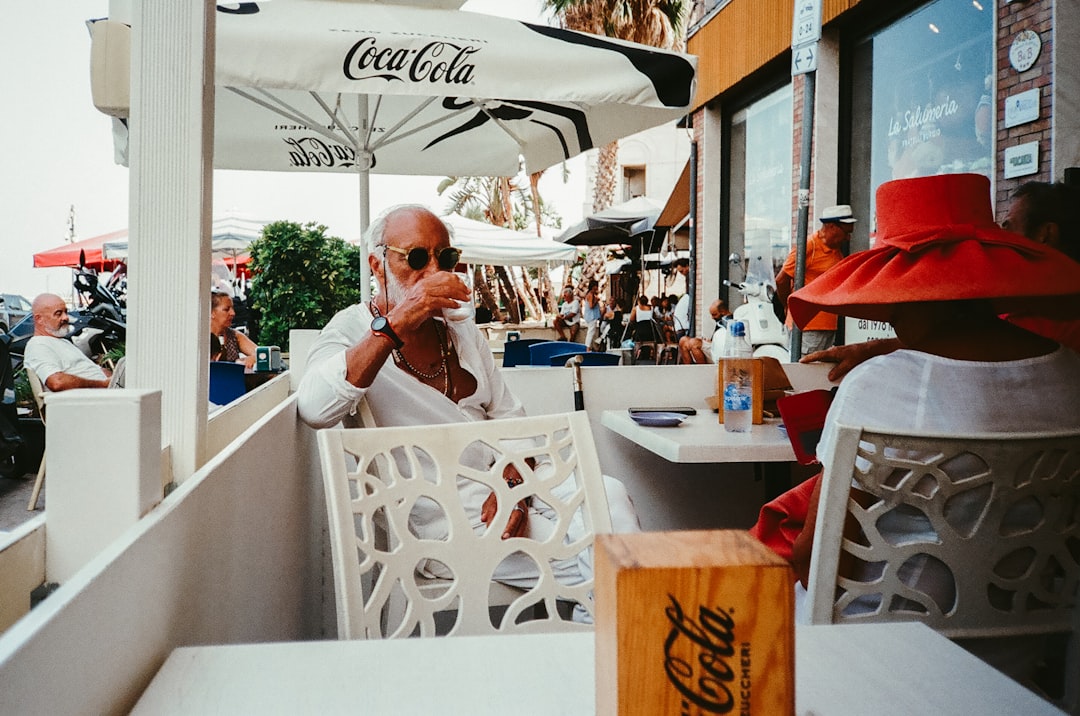
Hey there, fellow food lovers and wanderlusters! Have you ever found yourself planning a trip around a specific dish you’re dying to try, or a local market you’ve seen buzzing on social media? If so, you’re definitely not alone! Culinary tourism isn’t just a niche anymore; it’s a massive global phenomenon, and in 2026, it’s more exciting than ever. I mean, who doesn’t love exploring a new place one delicious bite at a time? 😊
The Exploding World of Gastronomy Tourism 🤔
It’s official: food is a primary driver of global travel. The global culinary tourism market, valued at approximately $13.83 billion in 2024, is projected to skyrocket to around $85.04 billion by 2034, with a healthy compound annual growth rate (CAGR) of 19.92% from 2025 to 2034. That’s a huge leap, and it really shows how much we’re all craving authentic, food-focused experiences. More than half of leisure travelers now identify as “food travelers,” and a whopping 81% actively seek to learn about local food and drink when visiting a new place. It’s not just about eating; it’s about connecting with culture, history, and people through the universal language of food.
One of the most influential travel trends for 2026 is valuing “cultural immersion over performance” – think hands-on craft, food, farming, and storytelling activities over staged shows, and deeper connections with locals. This shift means travelers are looking for more than just a meal; they want to understand the story behind it, the ingredients, and the traditions. This is where culinary tourism truly shines!
For Gen Z travelers in particular, food isn’t just sustenance during a trip; it’s often the reason for the journey itself. Recent studies reveal that over 70% of young travelers report that culinary opportunities directly influence their destination choices.
Top Global Food Destinations for 2026 📊
So, where should your taste buds take you this year? The Michelin Guide has released its annual list of the “Best Places to Travel in 2026 for Food Lovers,” and it’s full of exciting options. Here are some of the standout destinations:
European Culinary Gems
| Destination | Why It’s Hot for Foodies in 2026 | Signature Dishes/Experiences |
|---|---|---|
| Venice, Italy | Undergoing a culinary renaissance with luxury hotel openings and restaurant renovations, elevating lagoon cuisine. | Refined lagoon-based cuisine, authentic dining away from tourist crowds. |
| Czech Republic | First nationwide Michelin Guide highlighting Prague, South Moravia, and spa towns. | Ingredient-driven cooking, local produce, potatoes, freshwater fish. |
| The Dolomites, Italy | Hosting the 2026 Winter Olympics, leading to new infrastructure and inventive mountain cuisine. | Traditional dishes like speck, buckwheat pasta, alpine cheeses. |
| Wrocław, Poland | Fast-growing culinary scene blending classic Polish comfort food with modern techniques. | Modern takes on Silesian traditions, lively cafés. |
| Amalfi Coast, Italy | Rediscovering classic Mediterranean flavors, new train connection from Paris. | Seafood-forward cuisine, fresh local produce. |
Asia, Middle East & North America Highlights
- Saudi Arabia: The debut of its own Michelin Guide places cities like Riyadh and Jeddah on the global food map, reinterpreting traditional Arabic fare with contemporary techniques.
- Cappadocia, Türkiye: Beyond its stunning landscapes, it’s gaining attention for its farm-to-table philosophy and traditional Anatolian dishes served in atmospheric cave restaurants.
- Jiangsu Province, China: Offers refined and diverse culinary traditions, from delicate freshwater fish to subtly seasoned regional classics.
- Cebu and Manila, Philippines: Highlighted for vibrant food cultures driven by fresh seafood and iconic Filipino dishes like sisig, sinigang, and adobo.
- Route 66, USA: As it marks its 100th anniversary, explore classic diners, regional barbecue, and food festivals celebrating America’s culinary heritage.
- Boston, USA: Named a best city for foodies by Condé Nast Traveler, Boston’s food scene is transforming into something “sleeker and unmissable,” pairing classic New England seafood with creative modern dining.
- Vancouver, Canada: As a host city for the 2026 FIFA World Cup, Vancouver stands out for its blend of Pacific seafood, Asian influences, and strong local culinary traditions.
While popular destinations are fantastic, consider exploring “off-algorithm” places to avoid over-tourism and find more real, sustainable experiences. Sometimes, moving just a few roads away from the main tourist hubs can lead you to incredible local eateries!
Key Checkpoints: Don’t Forget These Foodie Travel Tips! 📌
You’ve made it this far, and I’m so glad you’re diving deep into the world of food travel! With so much to digest (pun intended!), let’s quickly recap the most important takeaways. Keep these three things in mind for your next culinary adventure.
-
✅
Embrace Local & Authentic Experiences
Seek out cooking classes, market visits, and dining with locals to truly understand a culture through its food. This is where the magic happens! -
✅
Prioritize Sustainable Eating Practices
Support local farmers, choose seasonal ingredients, and reduce food waste. Your choices can make a positive impact on the environment and local communities. -
✅
Stay Informed on Emerging Destinations
Keep an eye on lists from the Michelin Guide and travel experts for up-and-coming food cities that offer unique culinary adventures.
Beyond the Plate: Cultural Immersion Through Food 👩💼👨💻
Food is so much more than just sustenance; it’s a window into a culture’s soul. When you sit down to a meal in a foreign land, you’re not just tasting flavors; you’re experiencing history, traditions, and the heart of a community. This is why food tours and cooking classes are becoming incredibly popular. They offer a hands-on way to engage with local ingredients, learn traditional techniques, and even share stories with local chefs or home cooks.
Consider the vibrant street food scenes in cities like Bangkok, where 500,000 food vendors serve 90% of tourists, or Ho Chi Minh City (Saigon), often hailed as the king of street food. These aren’t just places to grab a quick bite; they’re bustling hubs of local life, where you can witness culinary artistry firsthand and interact with vendors who have often perfected their craft over generations. It’s an immersive experience that truly connects you to the pulse of the city.
When exploring new food cultures, don’t be afraid to ask locals for recommendations! They often know the best hidden gems and authentic eateries that might not be in any guidebooks. Plus, it’s a great way to strike up a conversation and learn more about their culture.
Sustainable Sips & Bites: An Example 📚
Let’s talk about how we can make our foodie adventures more sustainable. It’s a growing concern, and thankfully, there are many ways to eat in an environmentally-friendly way that also supports local communities.
The Eco-Conscious Foodie in Barcelona
- Situation: You’re in Barcelona, a city known for its vibrant food scene and commitment to sustainability. You want to experience authentic Spanish cuisine while minimizing your environmental impact.
- Goal: Enjoy delicious local food, support the community, and make eco-friendly choices.
Your Sustainable Foodie Journey
1) Visit La Boqueria Market: Instead of only dining in restaurants, head to a local market like La Boqueria. Engage with local vendors, sample seasonal produce, and buy ingredients for a picnic or to cook if your accommodation has a kitchen. This supports local farmers and reduces food miles.
2) Look for “Farm-to-Table” Restaurants: Research restaurants that explicitly state they use fresh, seasonal, and local ingredients. Many will highlight this on their menus or websites. Don’t hesitate to ask staff about their sourcing practices.
3) Try Plant-Based Options: Reducing meat intake is a significant step towards sustainable dining. Explore the incredible vegan and vegetarian options available. Cities like Barcelona are increasingly offering diverse plant-based choices.
4) Say No to Disposables: When getting street food or takeout, try to bring your own reusable containers or cutlery to minimize waste.
Final Result
– Authentic Experience: You’ve tasted the freshest local flavors and connected with the community.
– Positive Impact: You’ve supported local businesses and reduced your environmental footprint, proving that delicious travel can also be responsible travel.
By making conscious choices, we can all contribute to a more sustainable and enriching travel experience. It’s about being mindful of where our food comes from and the impact our choices have.
Wrapping It Up: Your Next Culinary Adventure Awaits! 📝
As you can see, the world of culinary travel in 2026 is bursting with flavor, culture, and incredible opportunities. From the Michelin-starred restaurants of Venice to the bustling street food stalls of Ho Chi Minh City, there’s a gastronomic adventure waiting for every palate. Remember, food is a powerful way to connect with a destination and its people, so don’t be afraid to dive in and explore!
I hope this guide has inspired you to plan your next delicious journey. What’s the one dish you’re dreaming of trying, or the food destination you’re most excited about for 2026? Let me know in the comments below – I’d love to hear your thoughts and recommendations! Happy travels and happy eating! 😊
Culinary Travel Essentials for 2026
Frequently Asked Questions ❓