Have you ever planned an entire trip around a single dish? Or found yourself dreaming of bustling street markets and exotic aromas long after you’ve returned home? If so, you’re not alone! Food tourism is booming, transforming from a mere travel add-on to the main event for many adventurers. As we navigate 2026, the world of culinary travel is more exciting and diverse than ever, offering incredible opportunities to connect with cultures through their cuisine. Let’s dive into the latest trends and discover how you can make your next food journey truly epic! 😊
The Global Palate: Top Culinary Destinations in 2026 🤔
The culinary tourism market is experiencing rapid growth, projected to hit $40.5 billion by 2030, up from $11.5 billion in 2023. This significant increase highlights that food is now a primary motivator for travel. In fact, over half of leisure travelers consider themselves “food travelers,” with 81% actively seeking to learn about local food and drink during their trips. So, where are these food-focused travelers heading in 2026?
European classics continue to shine, with Venice, Italy, topping many lists due to luxury hotel openings and restaurant renovations revitalizing its lagoon cuisine. Crete, Greece, is also recognized as a European Region of Gastronomy for 2026, celebrated for its locally grown produce and excellent olive oil. Beyond Europe, Saudi Arabia has made a significant mark with its own Michelin Guide, putting cities like Riyadh and Jeddah on the global food map, blending traditional Arabic fare with international influences. Cappadocia, Türkiye, known for its dramatic landscapes, is now drawing food lovers for regional Anatolian recipes and farm-to-table dining in unique cave restaurants.
In North America, the American South is gaining recognition for its evolving local specialties, and Florida’s statewide Michelin selection reflects its growing seafood and chef-led restaurant scene. Historic cities like Boston and Philadelphia are also highlighted for their reinvented seafood legacies and diverse immigrant food traditions. Meanwhile, Asian hubs like Bangkok, Seoul, and Tokyo remain top destinations, with fine-dining searches showing steady double-digit growth.
The focus in culinary travel is shifting. While fine dining still holds appeal, 66% of travelers are most excited about street food, and 64% prefer unique, local experiences over Michelin-star restaurants. This indicates a strong desire for authenticity and immersion in local food culture.
Essential Food Travel Tips for the Savvy Foodie 📊
Embarking on a food-focused trip requires a bit of strategy to truly maximize your experience and your budget. Here are some of my go-to tips for eating your way around the world like a pro.
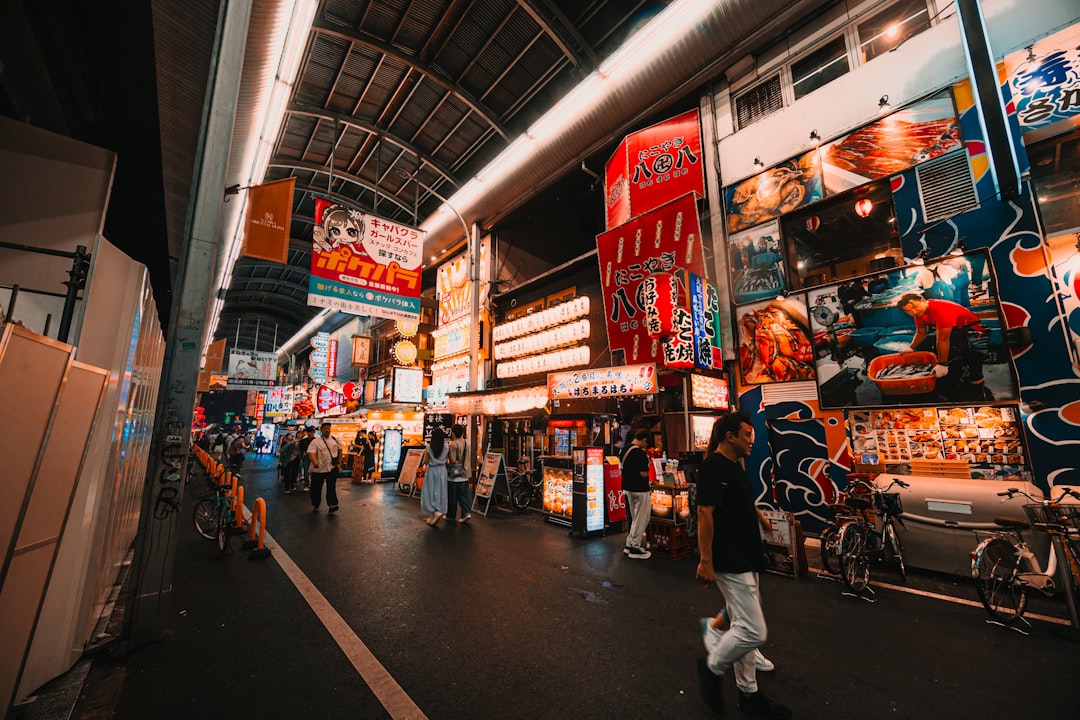
First, embrace street food and local markets. Cities like Ho Chi Minh City (Saigon), Bangkok, Mexico City, and Mumbai are renowned for their vibrant street food scenes, offering incredibly flavorful and affordable meals. Don’t be afraid to venture a few blocks away from major tourist attractions; you’ll often find better, cheaper, and more authentic food where locals eat. Look for stalls with long lines of locals – that’s usually a good sign of quality and freshness.
Budgeting Your Bites: Smart Food Spending Abroad
| Strategy | Description | Benefit | Example |
|---|---|---|---|
| **Five Block Rule** | Walk at least five blocks away from tourist hotspots to find local eateries. | Better quality, lower prices, authentic experience. | Finding a $2 Pad Krapow in Bangkok that rivals any Western Thai restaurant. |
| **Supermarket Deals** | Utilize grocery stores for lunch specials or discounted items nearing expiration. | Significant savings, insight into local diets. | 50% off pre-made meals in Japan before closing. |
| **Learn Key Phrases** | Memorize simple phrases like “What’s your cheapest meal?” in the local language. | Access to local, often cheaper, off-menu options. | Asking for “kamita karita” in Mexico for a daily worker’s meal. |
| **Cook Your Own Meals** | If staying in accommodation with a kitchen, cook some meals using local ingredients. | Major cost savings, deeper cultural immersion. | Cooking 50% of meals can significantly reduce travel costs. |
When enjoying street food, always prioritize vendors with high turnover and visible cooking processes. If something looks, smells, or feels off, it’s best to walk away. Your instincts are your best guide for safe and delicious street eats!
Key Checkpoints: Don’t Forget These! 📌
You’ve made it this far! With so much to digest, let’s quickly recap the most crucial takeaways for your next food-focused adventure. Keep these three points in mind, and you’ll be well on your way to culinary bliss.
-
✅
Culinary Tourism is Exploding:
Food is no longer just a side dish; it’s a primary driver for travel, with a market projected to reach $40.5 billion by 2030. -
✅
Authenticity Over Luxury:
Travelers are increasingly seeking out street food, local markets, and home-cooked meals over Michelin-starred dining for genuine cultural immersion. -
✅
Smart Budgeting is Key:
Employ strategies like the “Five Block Rule,” utilizing supermarkets, and learning local food phrases to save money and enhance your experience.
Beyond the Plate: Sustainable & Immersive Food Experiences 👩💼👨💻
The modern food traveler isn’t just looking for delicious meals; they’re seeking meaningful connections and sustainable practices. Sustainable food tourism is a growing trend, focusing on ethical sourcing, farm-to-table practices, locally sourced ingredients, and waste reduction. This means supporting local farmers, preserving culinary heritage, and minimizing environmental impact.
Immersive experiences like cooking classes with regional chefs, local food and market tours, and visits to food festivals are becoming increasingly popular. These hands-on activities offer a deeper understanding of the local culture and the stories behind the food. For instance, taking a cooking class in Sri Lanka to learn authentic curry preparation is a fantastic way to engage with the local cuisine.
Travelers are increasingly buying local snacks and pantry items as souvenirs. This “shelf-ie souvenir” trend allows them to relive their travel experiences at home while supporting regional makers and sustainable sourcing.
Real-World Example: A Culinary Journey Through Southeast Asia 📚
Let’s imagine a recent culinary adventure through Southeast Asia, focusing on authentic street food and local experiences.
The Traveler’s Situation
- **Destination:** Bangkok, Thailand & Ho Chi Minh City, Vietnam
- **Goal:** Experience authentic street food, learn local cooking techniques, and stay within a moderate budget.
- **Duration:** 10 days (5 days per city)
The Culinary Strategy
1) **Local Market Immersion:** Started each city with a visit to a bustling local market (e.g., Chatuchak Weekend Market in Bangkok, Ben Thanh Market in HCMC) to sample fresh produce, snacks, and observe local life. This helped identify popular ingredients and dishes.
2) **Street Food Exploration:** Utilized the “Five Block Rule” to find hidden gems away from main tourist areas. Prioritized vendors with visible cooking and constant local queues. Enjoyed Pad Thai and Mango Sticky Rice in Bangkok, and Pho and Banh Mi in Ho Chi Minh City.
3) **Cooking Class:** Booked a half-day cooking class in Chiang Mai (a short flight from Bangkok) to learn how to prepare traditional Thai curries and stir-fries, gaining hands-on experience with local ingredients.
4) **Supermarket Savvy:** For lighter meals and snacks, leveraged local supermarkets, especially for discounted items before closing, saving money for more significant street food adventures.
Final Results
– **Authenticity Achieved:** Experienced a wide array of local flavors, from sizzling woks in Bangkok to fresh banh mi on Vietnamese streets.
– **Budget Maintained:** Successfully kept food costs down by prioritizing street food, market purchases, and smart supermarket shopping, allowing for occasional splurge meals.
This example illustrates that with a little planning and an adventurous spirit, you can truly immerse yourself in a destination’s food culture without breaking the bank. It’s all about seeking out those authentic, local experiences.
Wrapping Up: Your Next Culinary Journey Awaits! 📝
As we’ve explored, the world of food travel in 2026 is rich with opportunities for discovery, connection, and incredible flavors. From the bustling street markets of Asia to the refined culinary scenes of Europe, there’s a gastronomic adventure waiting for every palate. Remember to prioritize authentic local experiences, be smart with your budget, and always keep an open mind (and stomach!).
So, what’s your next food destination? Are you ready to taste the world? Share your thoughts and questions in the comments below – I’d love to hear about your favorite food travel tips and dream destinations! 😊
Your Food Travel Cheat Sheet
Frequently Asked Questions ❓