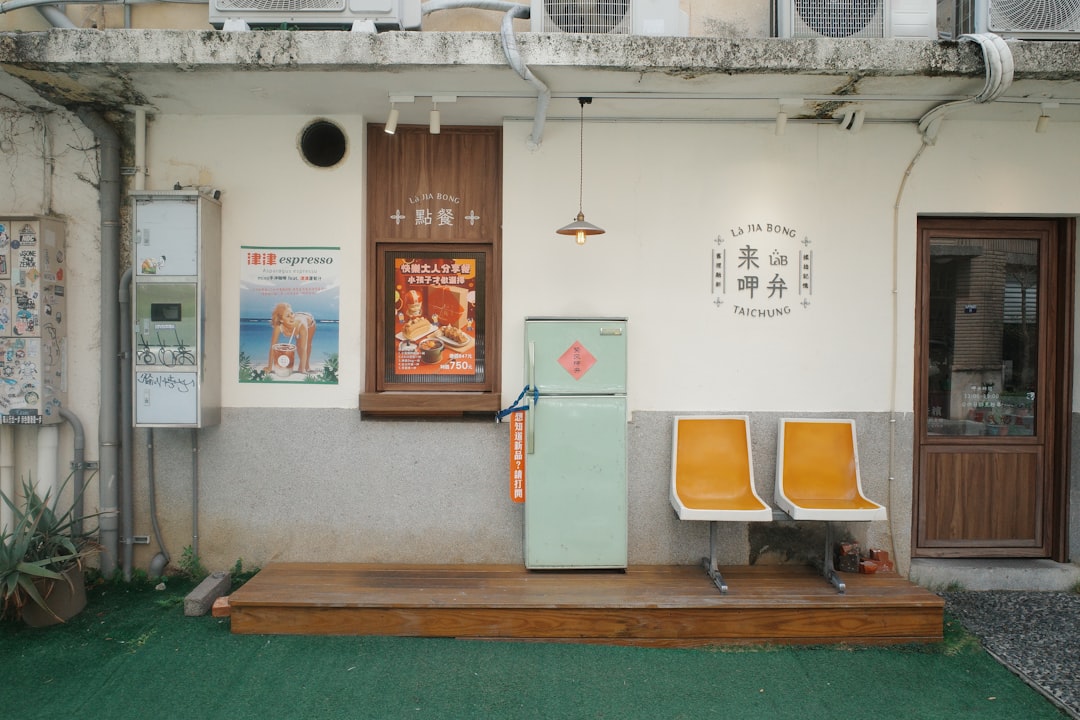
Have you ever planned an entire trip around a single dish? Or perhaps dreamt of exploring bustling street food markets in a far-off land? If so, you’re not alone! Culinary tourism has exploded, transforming how we experience the world. It’s no longer just about seeing the sights; it’s about tasting the culture, one delicious bite at a time. This guide is your passport to the most exciting foodie destinations and essential tips for planning your next epicurean journey. Let’s dive in! 😊
The Global Palate: Latest Travel & Food Trends for 2025 🤔
The travel landscape is constantly evolving, and 2025 is shaping up to be a monumental year for food lovers. International tourist arrivals grew by 5% in the first half of 2025 compared to 2024, exceeding 2019 levels by 4%. This surge in global travel is significantly fueling the culinary tourism market, which was estimated at USD 1.81 billion in 2024 and is projected to reach USD 7.91 billion by 2033, growing at a remarkable CAGR of 17.82% from 2025 to 2033.
One of the most prominent trends is the overwhelming demand for authentic and experiential travel. Travelers are increasingly seeking meaningful experiences that positively impact local communities and support sustainable initiatives. This means going beyond traditional sightseeing to truly immerse oneself in local culture, and food is often the most direct and delicious way to do that. In fact, 98% of travelers say experiences are very or extremely important when considering where to go.
According to Hilton’s 2024 Travel Trends report, 50% of travelers across all generations prioritize culinary experiences, with Gen Z and Millennials allocating even more budget for these adventures.
The Culinary Tourism Boom: What’s Driving It? 📊
The growth of culinary tourism is driven by several key factors. The rising influence of digital food content, the growing demand for authentic cultural experiences, and government-backed initiatives are all playing a significant role. Social media, in particular, has become a powerful tool, with travelers exploring unique and aesthetically pleasing food experiences. Many are even booking restaurant reservations before their flights!
Another major driver is the increasing interest in culinary skills and education. Tourists aren’t just looking to taste; they want to learn how the food is prepared. Cooking classes, workshops, and food tours are becoming common itinerary elements, offering a deeper understanding of local cuisines and allowing travelers to take home new skills and recipes.
Culinary Tourism Market Snapshot (2024-2033)
| Category | Description | Key Figures | Trends & Insights |
|---|---|---|---|
| Market Size (2024) | Global culinary tourism market valuation. | USD 1.09 Trillion | Significant growth driven by authentic experiences. |
| Projected Market Size (2033) | Expected market value by 2033. | USD 4.21 Trillion | CAGR of 14.46% (2025-2033). |
| Dominant Region (2024) | Region with the largest market share. | Asia-Pacific (43.1%) | Rich gastronomic heritage, growing middle class. |
| Booking Mode (2024) | Preferred method for booking culinary experiences. | Online Travel Agencies (OTAs) (48.5%) | Convenience, user reviews, personalized recommendations. |
While spontaneity is great, popular fine dining experiences or Michelin-starred restaurants often require advance reservations. Check schedules and book ahead to avoid disappointment!
Key Checkpoints: Don’t Forget These! 📌
You’ve made it this far! With so much delicious information, let’s quickly recap the most important takeaways. Remember these three points for your next culinary adventure:
-
✅
Experiential Travel is King:
Travelers in 2025 are prioritizing immersive cultural experiences, with food being a primary gateway to understanding a destination. -
✅
Culinary Tourism is Booming:
The market is projected to reach over $4 trillion by 2033, driven by social media, a desire for authenticity, and a growing interest in cooking classes and food tours. -
✅
Research & Spontaneity:
While research is crucial for discovering local cuisine and booking high-priority spots, leave room for serendipitous discoveries – some of the best meals are found unexpectedly!
Top Global Foodie Destinations to Explore Now 👩💼👨💻
So, where should your taste buds take you next? The world is brimming with incredible culinary destinations, each offering a unique gastronomic journey. Here are a few top picks for 2025 that are making waves in the food travel scene:
- Mexico City, Mexico: Long a favorite for foodies, Mexico City’s culinary scene is thriving, with Michelin stars being awarded to humble taquerías and fine dining establishments alike. Expect a vibrant mix of street food, traditional Mexican flavors, and international cuisines.
- Singapore: A true melting pot of flavors, Singapore’s innovative fusion cuisine continues to reach new heights. From hawker centers to Michelin-starred restaurants, it’s a gastronomic wonderland where tradition meets innovation.
- Fukuoka, Japan: Known as the birthplace of tonkotsu ramen, Fukuoka is emerging as Japan’s next great food destination. Beyond ramen, its proximity to the sea means incredibly fresh seafood, and its unique yatai (food stall) culture is inspiring street food trends globally.
- Sicily, Italy: Crowned European Region of Gastronomy 2025, Sicily offers iconic dishes like Pasta alla Norma and cannoli, alongside a sustainable approach to dining.
- Busan, South Korea: This vibrant port city is rapidly emerging as a culinary destination, praised by the Michelin Guide for its “gourmet culture,” fresh seafood, and first-rate street food scene.
- Vienna, Austria: An underrated city with a stunning food scene, Vienna offers both traditional Viennese dishes like schnitzel and contemporary restaurants, alongside excellent markets for local and global specialties.

Don’t be afraid to ask locals for recommendations! Taxi drivers, shop owners, or your hosts can provide invaluable advice about hidden culinary gems off the tourist path.
Mastering Your Food Travel Experience: Practical Tips 📚
Planning a food-focused trip requires a bit of strategy to ensure you hit all your culinary desires while leaving room for delightful surprises. Here are some practical tips to help you plan your next gastronomic adventure:
- Research Local Cuisine: Before you go, spend time exploring signature dishes, traditional cooking styles, and regional specialties. Understanding the local food culture will enhance your experience and help you identify must-try dishes.
- Leverage Digital Tools: Use food sites like CNN Travel, Serious Eats, TripAdvisor, Yelp, and the Michelin Guide to find foodie lists, reviews, and restaurant information.
- Prioritize Local Markets & Street Vendors: These are often the hubs for the best local foods and a fantastic way to discover authentic flavors and interact with locals. Asia, in particular, has a serious street food culture.
- Consider Food Tours & Cooking Classes: These immersive experiences allow you to learn about local ingredients and regional techniques directly from experts, offering a deeper connection to the cuisine.
- Allow for Serendipity: While planning is important, leave some room in your itinerary for spontaneous discoveries. Some of the most memorable meals are found unexpectedly in charming local spots.
- Embrace Sustainable Food Practices: Look for establishments that prioritize ethical sourcing, farm-to-table practices, locally sourced ingredients, and waste reduction. This aligns with a growing trend in sustainable food tourism.
Case Study: Planning a Foodie Weekend in Rome 📝
- Situation: You have a 3-day weekend in Rome and want to experience its iconic culinary scene.
- Goal: Taste classic Roman pastas, explore street food, and enjoy a memorable fine dining experience.
Planning Process
1) Day 1: Arrive, check into accommodation. Research highly-rated trattorias for authentic Cacio e Pepe and Carbonara. Make a reservation for dinner. Explore local gelato shops.
2) Day 2: Morning food tour focusing on Roman street food (e.g., supplì, pizza al taglio) and local markets. Afternoon cooking class to learn pasta making. Dinner at a mid-range restaurant discovered through local recommendation.
3) Day 3: Visit a high-priority Michelin-starred restaurant for a special lunch (booked weeks in advance). Spend the afternoon exploring a less touristy neighborhood, allowing for spontaneous coffee breaks and pastry tastings.
Final Result
– A balanced itinerary combining planned culinary highlights with spontaneous discoveries, offering a comprehensive taste of Rome.
– Deepened understanding of Roman food culture through hands-on experience and local interactions.
This example shows how a blend of careful planning and openness to unexpected finds can create a truly enriching food travel experience. Remember, the goal is to enjoy the journey as much as the destination!
Wrapping Up: Your Next Culinary Adventure Awaits! 📝
The world of culinary travel is more exciting and accessible than ever before. With a growing emphasis on authentic experiences, sustainable practices, and immersive learning, your next food-focused trip promises to be an adventure for all your senses. From the bustling street food stalls of Asia to the Michelin-starred restaurants of Europe, there’s a world of flavor waiting to be discovered.
So, what are you waiting for? Start dreaming, researching, and planning your next delicious escape. Don’t be afraid to step out of your comfort zone and let your palate lead the way. If you have any questions or your own favorite foodie tips, please share them in the comments below! Happy travels and bon appétit! 😊
Culinary Travel Essentials
Frequently Asked Questions ❓