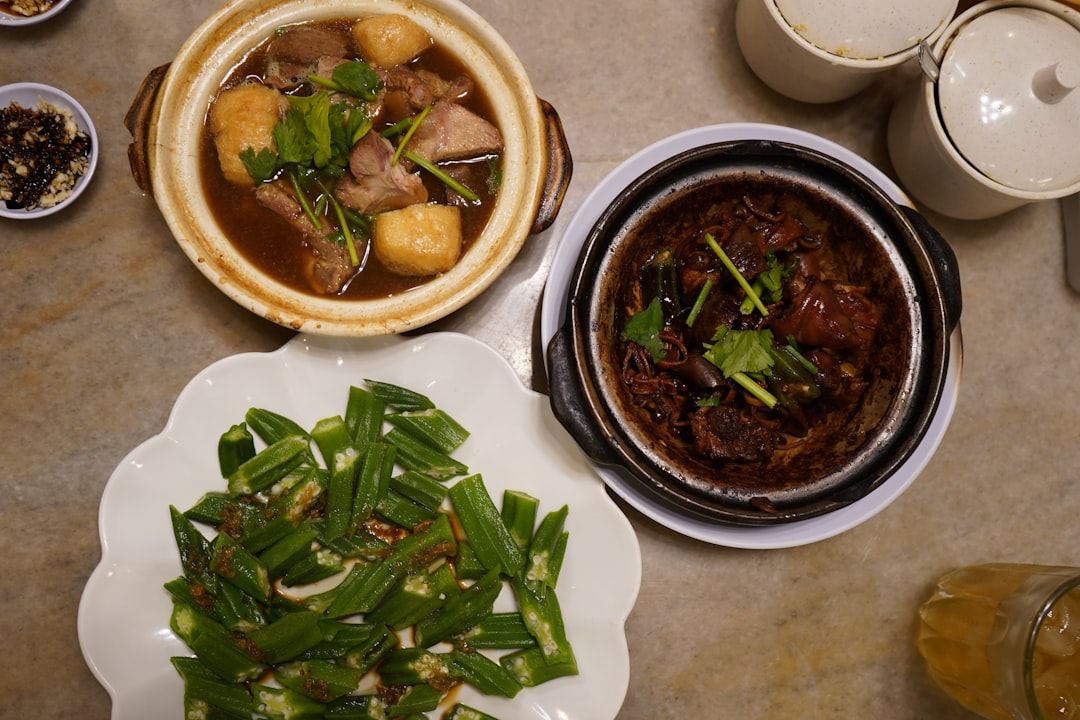
Hey there, fellow food enthusiasts! Have you ever dreamt of a trip where every meal is an adventure, a story, and a burst of flavor? I know I have! Southeast Asia, with its intoxicating aromas and incredible culinary diversity, is absolutely calling our names in 2026. Forget just sightseeing; this year, it’s all about eating our way through some of the world’s most dynamic food scenes. Ready to dive into a world of deliciousness? Let’s go! 😊
Why Southeast Asia is the Culinary Capital of 2026 🤔
Southeast Asia isn’t just a destination; it’s a culinary phenomenon. In 2026, it’s truly cementing its reputation as a global food hub, moving beyond being just a budget holiday stop. The region’s vibrant street food ecosystem is now recognized by prestigious guides like Michelin, proving that traditional, pavement-served recipes can rival European fine dining in technical standards and global appeal.
This culinary rise isn’t a top-down strategy; it’s grown organically from community kitchens, making it authentic, democratic, and deeply rooted in heritage. We’re seeing a significant surge in culinary tourism, with food experiences becoming a top motivator for travel across Asia. Countries like Taiwan, Vietnam, and South Korea are leading this food-forward movement, with a significant share of travelers citing cuisine as a key reason for their holiday plans.
Social media trends, coupled with the post-pandemic travel boom, are propelling iconic dishes like Thai street food and Vietnamese pho onto global mainstream menus in 2026. This means the flavors you discover on the streets of Southeast Asia are influencing dining scenes worldwide!
Top Culinary Destinations & Must-Try Dishes in 2026 📊
Ready to pinpoint your next gastronomic adventure? Here are some of the hottest food cities in Southeast Asia for 2026, according to recent rankings and expert opinions:
Asia’s Top Food Cities (2026 Highlights)
| City/Country | Why it’s a Foodie Paradise | Must-Try Dishes |
|---|---|---|
| Bangkok, Thailand | Ranked #1 in Asia for 2026, known for its revived street food scene and Michelin-recognized vendors. | Pad Thai, Tom Yum Goong, Mango Sticky Rice, Pad Kra Pao, Som Tum. |
| Penang, Malaysia | Widely considered Asia’s street food capital, offering a spectacular fusion of Malay, Chinese, and Indian influences. | Char Kway Teow, Assam Laksa, Pasembur (Indian Rojak). |
| Singapore | Exceptional and affordable food thanks to its hawker center culture, with many Michelin-starred chefs serving street food prices. | Chicken Rice, Laksa, Char Kway Teow. |
| Ho Chi Minh City, Vietnam | Praised for balancing famous street food with an increasingly confident fine-dining scene. Vietnam overall holds a significant advantage with its culinary diversity. | Pho, Banh Mi, Bun Cha, Banh Xeo. |
| Manila, Philippines | Emerging as a dynamic newcomer, with Michelin singling it out for a “global moment” for Filipino cuisine. | Sizzling Sisig, Sinigang, Lumpiang Shanghai. |
Beyond these bustling cities, destinations like Bali (Indonesia), Hanoi (Vietnam), and Kuala Lumpur (Malaysia) also offer incredible culinary experiences. The beauty of Southeast Asia is that you can truly eat like a local for next to nothing, with dishes often costing $1-$3 USD.
When enjoying street food, especially upon arrival, give your stomach time to adjust. It’s always a good idea to eat from stalls that are busy with locals and where food is cooked fresh in front of you. Check Google reviews for places with 4.5 stars or above to ensure quality and turnover.
Core Checkpoints: Don’t Forget These Essentials! 📌
You’ve made it this far, awesome! With so much to soak in, let’s quickly recap the most crucial takeaways. Remember these three points to make your culinary journey seamless and spectacular.
-
✅
Embrace Local Street Food
The heart of Southeast Asian cuisine lies in its street food. It’s affordable, authentic, and often Michelin-recognized. Don’t shy away; it’s where the real flavors are! -
✅
Budget Smart for Big Experiences
Southeast Asia is incredibly budget-friendly if you know how to travel smart. Think hostels, local transport, and, of course, street food. A daily budget of $25-$30 USD is very achievable. -
✅
Seek Out Authenticity & Sustainability
Look for places where locals eat, engage with vendors, and consider tours that highlight sustainable practices and local sourcing. This supports communities and offers a deeper cultural exchange.
Smart Travel Tips for the Savvy Foodie 👩💼👨💻
Beyond just choosing your destination, a few smart strategies can elevate your culinary journey and keep your wallet happy. Eating locally isn’t just about saving money; it’s about experiencing the real culture. Here are some pro tips:
- Go Where Prices Are Low: While every country has its charm, some are more budget-friendly. Stay flexible and follow deals.
- Eat Like a Local: Street food is king! Forget expensive tourist menus. Pho in Vietnam for $1-$2, Pad Thai in Thailand for under $2, or Nasi Goreng in Indonesia for next to nothing are common.
- Haggle Respectfully: In many Southeast Asian countries like Thailand and Vietnam, bartering is expected and part of the fun for market goods and even transport like Tuk Tuks. Aim to offer significantly below the asking price and meet halfway.
- Utilize Public Transportation: Figuring out the local public transport system can save you a ton of money and help you explore off-the-beaten-path areas.
- Consider Night Buses: For longer distances, night buses can save you on accommodation costs by serving as a place to sleep while you travel.
- Pack Smart: Imported cosmetics and sun cream can be more expensive, so bring your favorites from home.
- Travel with Others: Splitting costs for taxis, private rooms, and even meals can make things significantly cheaper.
Gastronomy tourism is also being leveraged by Southeast Asian tourism officials to spread wealth beyond saturated hotspots like Bangkok and Phuket, encouraging travelers to explore secondary destinations for specialty ingredients and regional dishes. This means more authentic experiences await!
Culinary Festivals & Sustainable Eating: More Than Just Food 📚
Food travel in Southeast Asia is more than just eating; it’s about experiencing culture, community, and even sustainability. Many countries are focusing on sustainable gastronomy, connecting food culture with farming, biodiversity, and rural livelihoods. This involves emphasizing local supply chains and traditional dishes, which helps reduce waste and preserve culinary heritage.

Example: Sustainable Food Festival Experiences
- Ubud Food Festival, Indonesia: This prominent festival, returning May 28-31, 2026, transforms Ubud into a vibrant stage for Indonesia’s diverse culinary heritage, uniting local chefs and international figures to spotlight Indonesian flavors.
- Chiang Mai Food Festival, Thailand: Celebrates Northern Thailand’s Lanna cuisine, with events often aligning with cultural moments like Yi Peng (November 2026) and Songkran (April 2026).
- Saigontourist Group Culinary Culture and Delicacies Festival, Ho Chi Minh City, Vietnam: Attracted nearly 80,000 visitors in March 2026, showcasing hundreds of dishes and traditional art. It has been recognized as the “World’s Best Culinary Festival” for three consecutive years (2023-2025).
Beyond the Plate: Supporting Local
By seeking out organic communities and engaging in food tours that highlight local ingredients, you’re not just enjoying a meal; you’re contributing to environmental preservation and supporting local livelihoods. Thailand’s “Amazing Organic” initiative in Chiang Mai, for instance, uses food and local ingredients to attract tourists to organic communities.
These experiences offer a deeper connection to the destination, allowing you to understand the history and cultural narratives behind the dishes. Culinary tourism fosters cultural exchange and encourages local communities to preserve their heritage.
Wrapping It Up: Your Next Delicious Adventure Awaits! 📝
As you can see, Southeast Asia in 2026 is a dream come true for any food lover. From the bustling street food scenes of Bangkok and Penang to the rich cultural tapestry woven into every dish in Vietnam and the Philippines, there’s an endless array of flavors to explore. It’s an affordable, authentic, and incredibly rewarding way to travel.
So, pack your bags (and your appetite!), embrace the chaos, and get ready for a culinary journey of a lifetime. If you have any questions about planning your foodie adventure, don’t hesitate to ask in the comments below! Happy travels and happy eating! 😊
Quick Bites: Your Foodie Travel Cheat Sheet
Frequently Asked Questions ❓