Have you ever stopped to think about how much Artificial Intelligence (AI) already touches your life? From the moment your alarm clock gently wakes you, suggesting the best route to work, to the personalized recommendations streaming on your evening entertainment, AI is quietly, yet profoundly, at work. It’s no longer a futuristic concept confined to sci-fi movies; it’s an integral part of our present, and its influence is only set to grow. As we navigate 2026, the conversation around AI has matured, moving beyond mere experimentation to widespread, impactful integration. Let’s explore how AI is truly reshaping our daily routines and what exciting, and sometimes challenging, developments lie ahead. 😊
The Current Landscape: AI’s Deep Roots in 2026 🤔
In 2026, AI is no longer just a buzzword; it’s deeply embedded in our daily lives, touching an estimated 3.5 billion lives every single day. Think about it: approximately 77% of the devices we use incorporate some form of AI. Businesses, too, are all-in, with 77% either actively using or exploring AI, and a staggering 83% prioritizing AI in their business strategies. This isn’t just about efficiency; it’s about a fundamental shift in how we interact with technology and the world around us.
A significant driver of this transformation is the rapid evolution of Generative AI (GenAI). What started as an experimental tool for content creation has quickly transitioned into a foundational infrastructure for enterprises. We’re seeing a move towards multimodal and agentic AI systems that can process and generate across various formats – text, images, audio, and even video – enabling them to handle complex, multi-step tasks autonomously. This means AI is becoming less of a tool we command and more of a proactive partner that anticipates our needs.
The global AI market is projected to contribute an astounding $15.7 trillion to the global economy by 2030, highlighting its immense economic significance and the widespread adoption across industries.
AI’s Tangible Impact on Daily Routines 📊
The real magic of AI lies in its practical applications, making our lives easier, healthier, and more connected. In 2026, AI’s presence is particularly felt in three key areas: healthcare, education, and our smart homes.
Revolutionizing Healthcare with AI
Healthcare is undergoing a profound transformation, shifting from reactive treatments to proactive, personalized care. AI is now an indispensable partner for clinicians, assisting with everything from automating back-office workflows to predicting population-level health risks. We’re seeing significant advancements in personalized medicine, where treatments are tailored to individual genetic profiles. AI-powered diagnostic imaging has improved cancer detection accuracy by nearly 40%, leading to earlier interventions and higher survival rates. Even mental health support is evolving, with AI chatbots offering 24/7 emotional assistance, bridging critical gaps in access to therapists.
Transforming Education for the Future
The classroom of 2026 looks vastly different, with AI becoming a fundamental operating system for learning. The focus has shifted from generic AI tools to Specialized Educational Intelligence (SEI), designed specifically for learning and trained on proven educational content. AI-driven personalized tutoring and adaptive learning pathways are now commonplace, adjusting to individual student needs and providing instant feedback. For educators, AI acts as a powerful assistant, significantly reducing administrative burdens and freeing up valuable time for more individualized student attention. Some reports suggest AI tools can save teachers the equivalent of about six weeks per year in time.
Smarter Living in Smart Homes
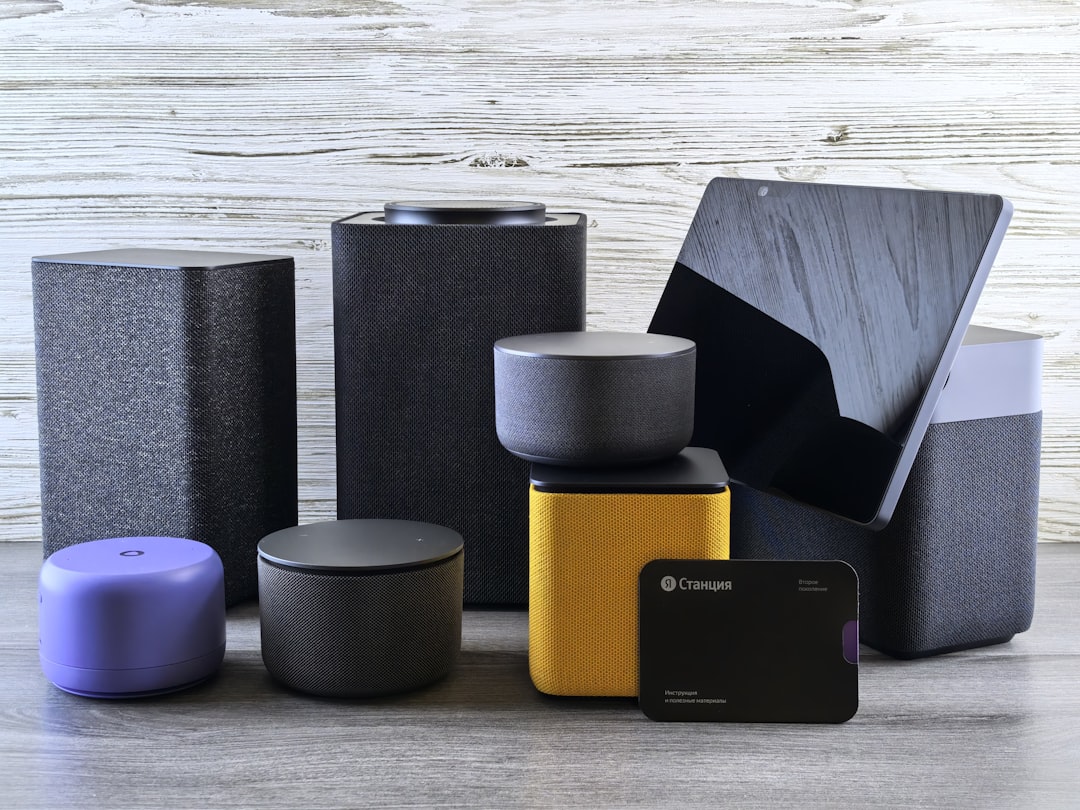
Our homes are becoming truly intelligent, moving beyond simple automation to predictive, proactive systems. In 2026, smart home AI anticipates our needs, adjusting lighting, climate, and security before we even ask. Conversational AI assistants are becoming more sophisticated, allowing for natural language control. A major trend is predictive energy management, where AI analyzes weather patterns, home thermal properties, and real-time utility pricing to optimize energy consumption and save money. Crucially, there’s a growing emphasis on data privacy, driving a shift towards local-first AI hubs that keep sensitive data off the cloud.
| Area | Traditional Approach | AI-Powered Approach (2026) | Key Benefit |
|---|---|---|---|
| Healthcare Diagnostics | Manual analysis, delayed results | AI-assisted imaging, predictive analytics | Faster, more accurate diagnoses |
| Education | One-size-fits-all curriculum | Personalized tutoring, adaptive learning | Improved student engagement and outcomes |
| Home Energy | Manual thermostat adjustments | Predictive energy management | Significant cost savings and efficiency |
| Work Productivity | Repetitive manual tasks | AI agents, intelligent automation |
⚠️ Be Aware! While AI offers incredible benefits, the rise of “shadow AI” – employees using unauthorized AI tools for work – poses significant data leakage and compliance risks. Organizations are urged to implement clear governance and provide approved AI options.
Key Checkpoints: What to Remember! 📌Have you been following along? It’s easy to get lost in the details, so let’s quickly recap the most crucial takeaways. Please keep these three points in mind:
Navigating the Future: Challenges and Opportunities 👩💼👨💻While the benefits of AI are undeniable, its rapid advancement also brings forth critical challenges that we, as a society, must address. Ethical AI and robust governance frameworks are more important than ever. Discussions around fairness, transparency, accountability, privacy, and inclusivity are central to ensuring AI benefits everyone. Regulations are moving from theoretical discussions to active enforcement, and companies are under increasing pressure to adopt ethical AI practices. One of the most pressing concerns is the rise of misinformation and deepfakes. In 2026, deepfakes are no longer novel; they are routine, scalable, and cheap, blurring the lines between reality and fabrication. This erosion of trust has profound implications for journalism, democracies, and personal reputations. Addressing this requires not only technological solutions but also increased AI literacy and critical thinking skills across the population. On the economic front, AI’s impact on the workforce is a mixed bag. While some jobs may be displaced by automation, AI is also projected to create a net gain of 12 million jobs by 2025. The key lies in upskilling and reskilling the workforce to collaborate effectively with AI agents, shifting human work towards strategic oversight and creativity.
📌 Important Note!
The debate around AI’s economic impact is shifting from “if it matters” to “how quickly its effects are diffusing, who is being left behind, and which complementary investments best turn AI capability into broad-based prosperity.”
Real-World Example: AI in Personalized Learning 📚Let’s look at a concrete example of AI’s transformative power in education: personalized learning platforms. Scenario: Sarah’s Learning Journey
The AI-Driven Process1) Initial Assessment: The AI platform assesses Sarah’s current understanding through a series of interactive questions and problem-solving tasks, identifying her specific weaknesses in calculus. 2) Adaptive Content Delivery: Based on the assessment, the AI generates customized lessons, practice problems, and video explanations, focusing on the areas where Sarah needs the most help. It might present concepts in a visual way if it detects she’s a visual learner. 3) Real-time Feedback & Support: As Sarah works through problems, the AI provides instant, detailed feedback, explaining *why* an answer is incorrect and offering hints without giving away the solution. It acts as a 24/7 tutor. 4) Progress Tracking: The platform continuously tracks Sarah’s progress, adjusting the difficulty and type of content to ensure she’s always challenged but not overwhelmed. It also identifies patterns in her errors to refine future lessons. Final Results– Improved Understanding: Sarah’s understanding of calculus concepts significantly improves, leading to higher grades and increased confidence. – Enhanced Engagement: The personalized and interactive nature of the AI platform keeps Sarah engaged and motivated, turning a challenging subject into a manageable one. This example illustrates how AI moves beyond simple automation to create truly transformative and human-centered experiences. It empowers individuals like Sarah to overcome learning barriers and reach their full potential, something that was previously difficult to achieve at scale.
Wrapping Up: Key Takeaways 📝As we’ve explored, AI in 2026 is far from just hype. It’s a powerful force reshaping our daily lives, from how we receive healthcare and learn new skills to how our homes anticipate our needs. The integration of generative AI, agentic systems, and specialized intelligence is creating a world that is more personalized, efficient, and interconnected. However, this transformative era also demands our attention to critical ethical considerations, robust governance, and continuous learning. By understanding the trends, embracing responsible adoption, and focusing on human-centered AI, we can harness its full potential for a brighter future. What are your thoughts on AI’s impact on your daily life? Feel free to share your questions or insights in the comments below! 😊 AI’s Everyday Evolution: 2026 Snapshot
✨ Pervasive Integration: AI is in 77% of devices, touching billions daily. It’s no longer experimental but essential.
📊 Sector Transformation: Healthcare, Education, and Smart Homes are being redefined. Personalized care, adaptive learning, and predictive automation are key.
🧮 Generative AI’s Rise:
GenAI = Multimodal + Agentic Systems + Hyper-personalization
👩💻 Ethical Imperative: Fairness, transparency, and robust governance are critical. Addressing deepfakes and shadow AI is paramount for trust.
Frequently Asked Questions ❓Related
Copyright © 2025 QHost365.com ® |