Remember when Artificial Intelligence felt like something out of a sci-fi movie? Flying cars, sentient robots… well, in 2025, AI isn’t about that kind of spectacle. Instead, it’s quietly, yet profoundly, weaving itself into the fabric of our daily lives, making things smoother, smarter, and often, just plain easier. From the moment we wake up to the content we consume before bed, AI is there, often unnoticed, enhancing our experiences. It’s truly a revolution that’s already reshaping the world, augmenting human potential rather than replacing it. 😊
The Current Landscape: AI’s Pervasive Presence in 2025 🤔
In 2025, AI has solidified its role as a transformative force across numerous sectors. It’s no longer just big tech companies leveraging AI; it’s in our homes, schools, offices, hospitals, and even how we entertain ourselves. The seamless integration of AI into modern life has reshaped how we interact with technology, our surroundings, and each other.
Globally, AI adoption has reached an all-time high, with rates between 72% and 78%. About one in five American adults now relies on AI daily, translating to approximately 500-600 million people worldwide engaging with AI on a daily basis. This rapid growth demonstrates how quickly AI has moved from niche technology circles into mainstream consumer behavior.
The global AI market is valued at $391 billion in 2025 and is projected to expand at a compound annual growth rate (CAGR) of 35.9% from 2025 to 2030, potentially reaching $1.81 trillion by the end of the decade. This growth surpasses both the cloud computing boom of the 2010s and the mobile app economy of the early 2010s.
Emerging AI Trends Shaping Our Future 📊
AI’s evolution in 2025 is marked by several key trends that are fundamentally altering our daily interactions and environments:
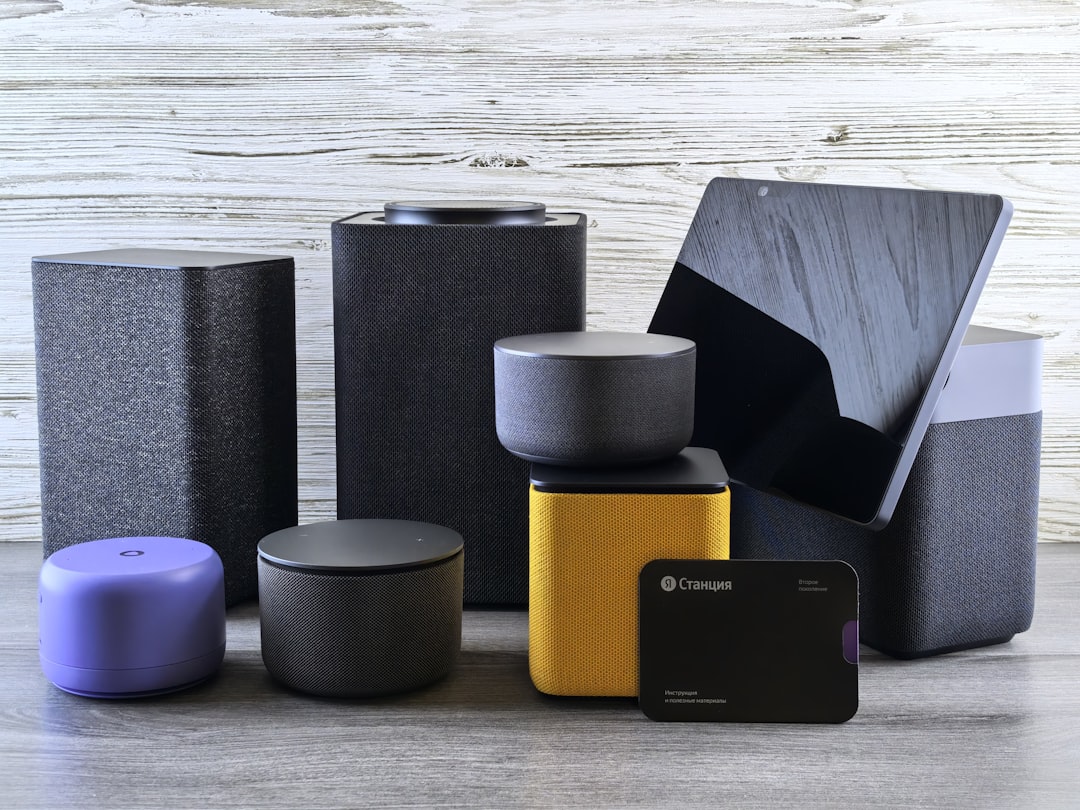
- Smart Homes: AI-powered devices are now the central nervous system of modern homes, moving beyond basic commands to learn from your behavior and adapt to your needs. Smart thermostats like Nest learn your preferred temperatures and adjust automatically, while AI-powered security systems detect unusual behavior using facial recognition. These systems anticipate user preferences, automate chores, save time, and reduce energy costs.
- Personalized Experiences: One of the most visible aspects of AI in 2025 is how it personalizes our daily experiences. Streaming services, online shopping platforms, and social media algorithms use deep learning models to analyze user data and deliver highly accurate, personal recommendations, increasing engagement and satisfaction.
- Healthcare Revolution: AI is reshaping the healthcare industry dramatically. Algorithms detect diseases like cancer and heart conditions at earlier stages, smart wearables track vitals and alert doctors to abnormalities, and AI-powered tools read X-rays and MRIs faster and with greater accuracy. Virtual health assistants provide 24/7 support, offering medical advice and scheduling appointments.
- Education Gets Smarter: AI is revolutionizing learning by offering personalized learning paths, adapting in real-time based on a student’s strengths and weaknesses. AI tutors provide instant feedback and explanations, and automated grading saves teachers time. By 2025, 92% of university students globally use AI tools.
- Transportation and Mobility: AI is helping people travel smarter and safer. Self-driving cars are becoming more reliable, and AI navigation apps predict traffic and suggest better routes in real-time. AI also optimizes public transportation schedules and predicts vehicle maintenance.
The integration of AI technologies like machine learning, natural language processing, and computer vision is ushering in a new era of home automation that goes beyond simple programmable routines. These AI-driven systems are capable of analyzing vast amounts of data, learning from user behavior, and making intelligent decisions to optimize comfort, energy efficiency, and security.
AI’s Impact Across Key Sectors (2025 Snapshot)
| Sector | Key AI Applications in 2025 | Impact on Daily Life |
|---|---|---|
| Smart Homes | Predictive automation, voice assistants, smart thermostats, security systems. | Increased comfort, energy savings, enhanced security, proactive home management. |
| Healthcare | Early disease detection, personalized treatment, virtual health assistants, wearable data analysis. | More accessible, faster, and tailored care; improved preventive health. |
| Education | Personalized learning paths, intelligent tutoring, automated grading, language translation. | Enhanced learning engagement, improved accessibility, more efficient study habits. |
| Transportation | Autonomous vehicles, smart traffic management, predictive maintenance, route optimization. | Safer, more efficient, and more predictable journeys; reduced congestion. |
| E-commerce | Hyper-personalized recommendations, virtual assistants, fraud detection, supply chain optimization. | Seamless, interactive, and personalized shopping experiences; increased efficiency. |
| Entertainment | AI-generated content, hyper-personalized recommendations, advanced CGI. | More engaging, responsive, and tailored media consumption. |
While AI offers immense benefits, ethical considerations like privacy, bias, and accountability remain crucial. AI systems often rely on vast amounts of personal data, raising concerns about privacy infringement and data misuse. Algorithmic bias, if not addressed, can perpetuate and amplify societal inequalities. Transparency in AI decision-making processes is vital to build trust and ensure responsible deployment.
Key Checkpoints: What to Remember About AI in 2025! 📌
Have you been following along? It’s easy to get lost in the details, so let’s quickly recap the most important takeaways. Please keep these three points in mind.
-
✅
AI is Everywhere, Not Just in Sci-Fi.
In 2025, AI is deeply integrated into our daily lives, from smart homes to personalized recommendations, making our routines more efficient and convenient. -
✅
AI Augments Human Potential.
Rather than replacing human roles, AI is enhancing our abilities in healthcare, education, transportation, and more, leading to better outcomes and increased productivity. -
✅
Ethical Considerations are Paramount.
As AI advances, addressing privacy, bias, and accountability is crucial to ensure responsible and trustworthy AI development and deployment.
AI in the Workplace and Beyond 👩💼👨💻
Beyond our personal lives, AI is also profoundly impacting the professional world. In 2025, AI is automating repetitive tasks, analyzing vast amounts of data, and supporting decision-making across industries. For instance, in recruitment, AI streamlines hiring processes from scanning resumes to conducting initial interviews. Customer support is revolutionized by chatbots providing 24/7 assistance, resolving queries in seconds. AI tools analyze huge volumes of data to uncover patterns and trends for better business decisions.
The media and entertainment industry is also undergoing a fundamental transformation powered by AI. From scriptwriting to music composition, AI tools are becoming more sophisticated in assisting and even automating parts of the creative process. This isn’t about replacing human talent, but enhancing creative output and redefining roles.
In the public sector, AI is poised to become a cornerstone of operations, transforming how agencies make decisions and serve constituents. AI-powered tools can build trust and foster closer citizen-government relationships by enabling citizens to quickly and easily navigate government websites and services, often available 24/7 and in multiple languages.
Real-World Examples: AI in Action 📚
Let’s look at some concrete examples of how AI is making a tangible difference in our daily lives right now:
Case Study: AI-Powered Smart Home Energy Management
- Situation: A homeowner wants to reduce energy consumption and costs while maintaining comfort.
- AI Solution: An AI-powered smart thermostat (like Nest) integrated with other smart home devices.
Implementation Process
1) The AI thermostat learns the household’s occupancy patterns and preferred temperatures over time.
2) It integrates real-time data from weather forecasts, energy prices, and user habits.
3) The system proactively adjusts heating and cooling schedules, optimizing energy use without manual input.
Final Results
– Energy Savings: AI thermostats can reduce energy use by 15-20%.
– Enhanced Comfort: The home environment is automatically tailored to individual lifestyles, providing optimal comfort.
– Proactive Maintenance: Some systems can even predict potential device failures by monitoring performance data, providing maintenance alerts before a breakdown occurs.
This example highlights how AI isn’t just about complex algorithms; it’s about practical, tangible benefits that improve our quality of life and save us money. It’s about creating living spaces that are not just connected, but truly intelligent.

Wrapping Up: Key Takeaways 📝
As we navigate 2025, it’s clear that Artificial Intelligence is no longer a distant dream but a fundamental aspect of modern life. From anticipating our needs in smart homes to providing personalized healthcare and revolutionizing education, AI is enhancing our abilities and making our lives more efficient and connected.
The journey into this AI-powered world is ongoing, and while challenges like privacy and ethical considerations remain, technological advancements are rapid, and consumer demand is driving innovation. Embracing AI means stepping into a future where technology works proactively and intuitively to improve our lives. So, what are your thoughts on AI’s role in your daily routine? Let us know in the comments below! 😊
AI in Your Daily Life: Quick Summary
Frequently Asked Questions ❓