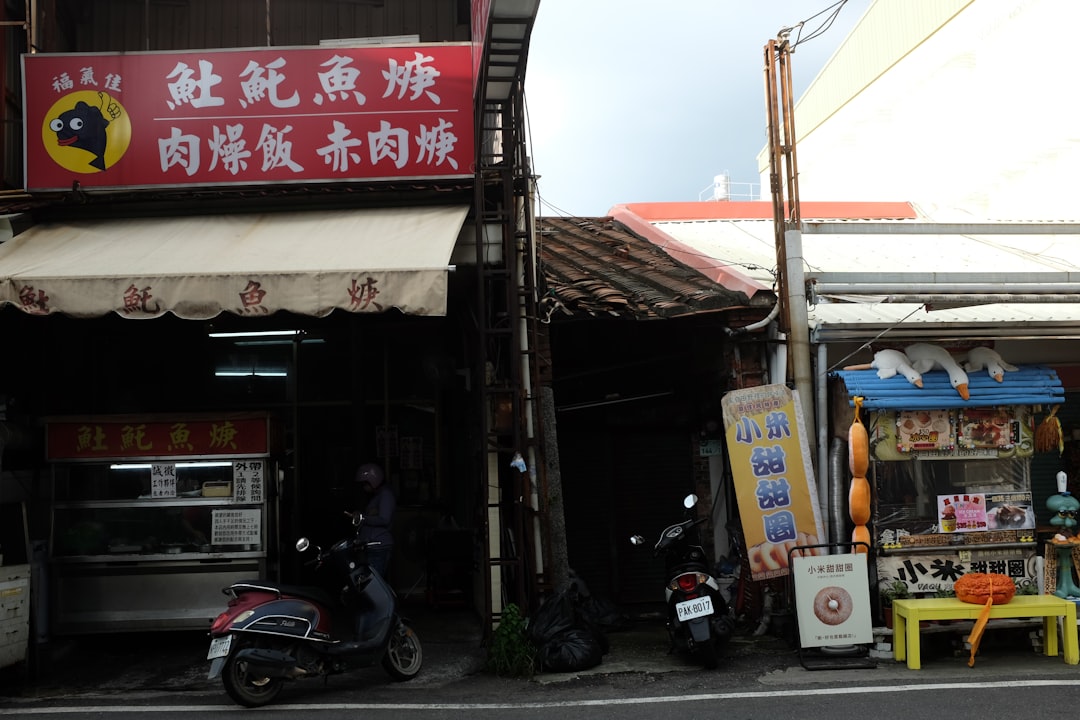
Have you ever planned an entire trip around what you’re going to eat? If so, you’re definitely not alone! In today’s travel landscape, food isn’t just a side activity; it’s often the main event. We’re seeing a massive shift where travelers are choosing destinations based on their culinary offerings, seeking authentic flavors and immersive dining experiences that truly tell a story. This blog post is your ultimate guide to navigating the exciting world of food tourism in 2026, packed with the latest trends, top destinations, and essential tips to make your next gastronomic adventure truly unforgettable. Let’s dig in! 😊
The Culinary Compass: Top Global Food Destinations in 2026 🗺️
The world is a smorgasbord of incredible flavors, and some cities consistently rise to the top as must-visit destinations for food lovers. These places offer a vibrant mix of traditional street food, innovative fine dining, and unique culinary experiences that captivate every palate.
For 2025 and 2026, several cities are highlighted by experts like the Michelin Guide and travel publications for their dynamic food scenes:
- Bangkok, Thailand: Widely celebrated as the “street food capital of the world,” Bangkok offers an unparalleled array of flavors, from Pad Thai cooked in ancient woks to exquisite Michelin-starred Thai cuisine. Its street food scene is so integral to daily life that it’s recommended by the Michelin Guide itself.
- Mexico City, Mexico: This vibrant metropolis blends ancient culinary traditions with modern creativity. Known for iconic dishes like tacos al pastor and tamales, Mexico City’s street food culture is a powerful draw, complemented by high-end gastronomy that champions indigenous ingredients.
- Tokyo, Japan: Home to more Michelin stars than any other city, Tokyo is a paradise for both refined palates and adventurous eaters. From omakase sushi experiences to multi-course kaiseki meals, and the simple perfection of ramen and yakitori, Tokyo offers endless culinary exploration. Japan was also a top destination for food tourism in 2024, with 64% of travelers considering it.
- San Sebastián, Spain: This Basque gem is famous for its high concentration of Michelin-starred restaurants and its lively pintxos culture. Hopping between bars to sample these inventive small plates is an essential experience for any foodie.
- Singapore: Recognized by UNESCO for its hawker culture, Singapore offers an organized yet incredibly diverse street food experience. Hawker centers are not just places to eat; they’re community hubs where you can savor global flavors and local legends.
Don’t just stick to the well-known tourist spots. Some of the most authentic and delicious food experiences are found by venturing into local neighborhoods and markets, where daily life unfolds through culinary traditions. Ask locals for their favorite hidden gems!
Beyond the Plate: Key Food Travel Trends & Statistics 📊
Food tourism is experiencing an unprecedented boom. The global culinary tourism market, valued at USD 1,248.2 billion in 2025, is projected to reach an astounding USD 4,258.3 billion by 2034, growing at a compound annual growth rate (CAGR) of 14.17%. This phenomenal growth is driven by several key trends:
- Authenticity Over Prestige: Modern travelers are increasingly prioritizing authentic local experiences over traditional fine dining. A TravelBoom 2026 Leisure Travel Study revealed that nearly 80% of travelers consider cuisine important or very important when choosing a destination. Furthermore, 64% prefer unique, local experiences over Michelin-starred restaurants, and 66% are most excited by street food.
- The Rise of Street Food Culture: Cities like Bangkok, Mexico City, and Ho Chi Minh City (Saigon) are celebrated for their vibrant street food scenes, offering a direct connection to local culture and flavors at an affordable price.
- Sustainable & Regenerative Food Tourism: There’s a growing consciousness around the environmental and social impact of food. Travelers, especially millennials, are seeking out sustainable dining choices, farm-to-table experiences, and opportunities to support local producers. This includes an interest in understanding food sourcing and reducing waste.
- Culinary Experiences as Souvenirs: Forget trinkets! A new trend sees travelers buying local snacks, chips, and condiments to bring a taste of their vacation home. These “shelf-ie souvenirs” allow them to relive the destination experience and support regional makers.
Culinary Tourism Market Snapshot (2025-2034)
| Category | 2025 Value | 2034 Projected Value | CAGR (2025-2034) |
|---|---|---|---|
| Global Culinary Tourism Market | USD 1,248.2 Billion | USD 4,258.3 Billion | 14.17% |
| International Culinary Tourism (Share) | 27.1% (2025) | Growing faster than domestic | ~15.8% |
| Online Travel Agents Bookings (Share) | 48.5% (2025) | Increasing | ~16.4% |
While embracing popular food trends, be mindful of their impact. Over-tourism and unsustainable practices can harm local communities and environments. Always seek out businesses committed to ethical sourcing and responsible tourism.
Key Checkpoints: Don’t Forget These! 📌
Made it this far? Great! With so much delicious information, let’s quickly recap the most crucial points. Remember these three things for your next food-focused adventure:
-
✅
Food is the New Travel Driver:
Nearly 80% of travelers now base their destination choices on culinary experiences, making food a primary motivator for trips. -
✅
Embrace Authenticity and Street Food:
Local markets and street food are more popular than ever, offering genuine cultural immersion and incredible flavors at an accessible price. -
✅
Prioritize Sustainable and Safe Practices:
Support local, reduce waste, and always prepare for dietary needs or allergies to ensure a responsible and enjoyable journey.
Essential Bites: Smart Travel Tips for the Modern Foodie 👩🍳
To truly maximize your culinary journey, a little planning goes a long way. Here are some pro tips to help you savor every moment:
- Research, Research, Research: Before you go, look up local dishes, famous markets, and highly-rated restaurants. Use blogs, travel guides, and food-focused apps. Check if restaurants publish allergen menus online.
- Learn Key Phrases: If traveling to a country with a different language, learn how to say “I am allergic to…” and key ingredient names. This is especially crucial for food allergies.
- Carry “Chef Cards”: Prepare printed cards in the local language explaining your dietary restrictions or allergies in detail. This can be a lifesaver when communicating with restaurant staff.
- Book Food Tours and Cooking Classes: These offer fantastic opportunities to learn about local cuisine, discover hidden gems, and even master a new dish. They often provide valuable insights into local culture.
- Pack Smart: Always carry some non-perishable, allergy-safe snacks, especially for long journeys or if you anticipate difficulty finding safe food. Keep essential medications, like EpiPens, in your carry-on luggage.
- Embrace the Unexpected: While planning is good, leave room for spontaneity. Some of the best meals come from stumbling upon a local eatery or street stall by chance.
When dining out, especially with allergies, consider visiting during off-peak hours when staff might have more time to discuss your needs thoroughly.
Real-World Example: A Culinary Journey Through Vietnam 📚
Let’s imagine Sarah, a food enthusiast with a passion for Southeast Asian cuisine and a mild gluten intolerance, planned a trip to Vietnam in late 2025. Her goal was to experience the authentic street food of Hanoi and Ho Chi Minh City.
Sarah’s Situation
- Destination: Hanoi and Ho Chi Minh City, Vietnam.
- Dietary Need: Gluten intolerance.
- Goal: Authentic street food experience.
Her Approach
1) Pre-Trip Preparation: Sarah researched Vietnamese dishes that are naturally gluten-free or easily adaptable, like pho (rice noodle soup) and spring rolls made with rice paper. She learned how to say “I cannot eat wheat/gluten” in Vietnamese and prepared a “chef card” explaining her intolerance. She also packed some gluten-free crackers for emergencies.
2) Local Immersion: Upon arrival in Hanoi, she immediately booked a street food tour with a local guide. This helped her gain confidence in identifying safe stalls and understanding local ingredients. The guide also taught her to look for stalls where food was cooked fresh to order, reducing cross-contamination risks.
3) Daily Exploration: Each day, Sarah would venture out, using her chef card and newly learned phrases. She found that many vendors were incredibly accommodating. In Ho Chi Minh City, she discovered delicious Banh Xeo (crispy Vietnamese pancakes made from rice flour) and various grilled meats, easily avoiding gluten-containing sauces by asking.
Final Result
– Rich Culinary Experience: Sarah enjoyed a diverse range of Vietnamese street food, from fragrant pho to fresh seafood, without any significant issues related to her gluten intolerance.
– Cultural Connection: By actively engaging with local vendors and asking questions, she felt a deeper connection to Vietnamese culture and its people.
Sarah’s experience highlights that with thoughtful preparation and a willingness to engage, dietary needs don’t have to limit incredible food travel experiences. It’s all about being informed and respectful of local customs.

Wrapping Up: Your Next Delicious Adventure Awaits! 📝
As we’ve explored, the world of food travel is more exciting and accessible than ever. From the bustling street food havens of Asia to the Michelin-starred establishments of Europe, culinary experiences are driving our wanderlust. By focusing on authenticity, sustainability, and smart planning, you can unlock incredible flavors and create memories that last a lifetime.
So, where will your taste buds take you next? Don’t be afraid to step out of your comfort zone, try something new, and let your palate lead the way. If you have any questions or want to share your own food travel tips, drop a comment below! Happy eating and safe travels! 😊