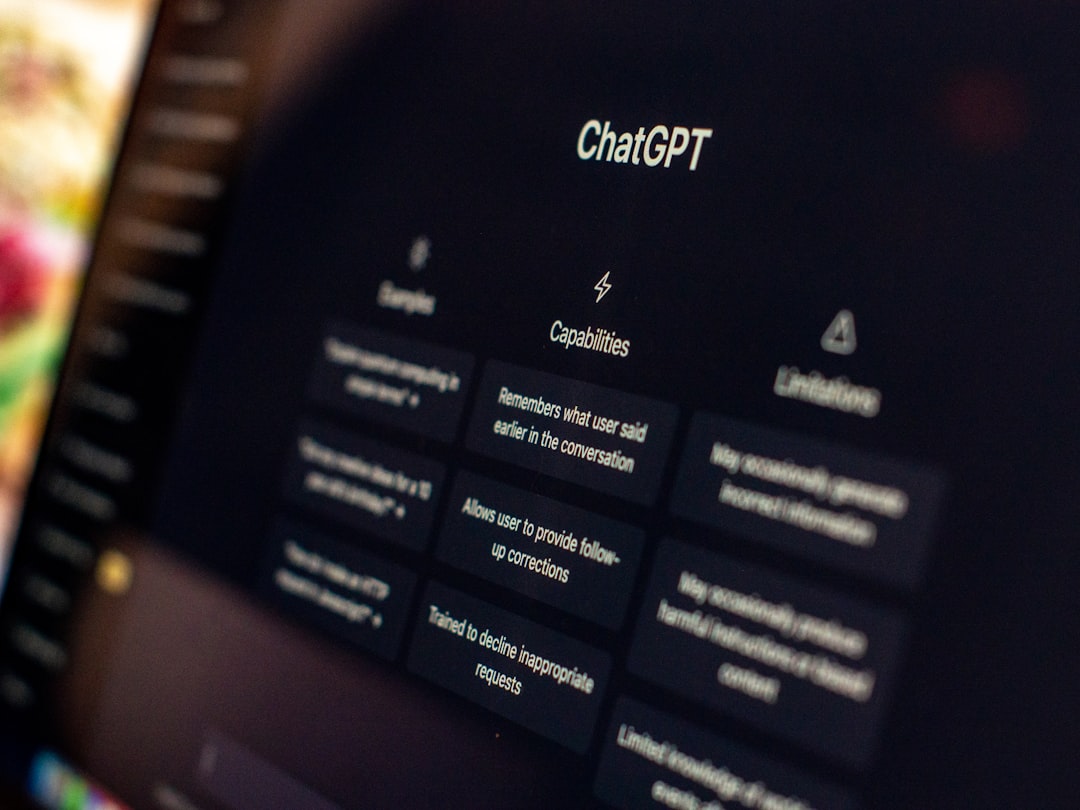
Have you ever stopped to think about how much Artificial Intelligence (AI) influences your daily life? It’s no longer a futuristic concept confined to sci-fi movies; AI is here, now, subtly enhancing nearly every interaction and decision we make. From the moment your alarm clock gently nudges you awake to the personalized streaming recommendations you unwind with, AI is the invisible layer powering it all. It’s an exciting, sometimes daunting, revolution happening all around us! 😊
AI Beyond the Hype: What’s Happening Now? 🤔
The truth is, AI has seamlessly woven itself into the fabric of our daily routines, often operating in the background, subtly influencing our decisions and interactions. We’re talking about more than just smart speakers; we’re experiencing a shift where AI is becoming an ambient presence, an invisible layer powering almost every consumer device. This means your devices aren’t just responding to you; they’re anticipating your needs.
Consider your virtual assistants like Siri, Alexa, and Google Assistant. They’ve revolutionized how we interact with our devices, responding to voice commands and learning from our interactions to provide increasingly accurate and personalized responses. Whether it’s setting reminders, answering queries, or controlling smart home devices, these AI-powered assistants have become indispensable aids.
In 2026, on-device AI on phones, earbuds, and wearables is gaining traction for faster processing and enhanced privacy, making your personal tech even smarter and more secure.
The Numbers Don’t Lie: AI’s Explosive Growth & Impact 📊
The influence of AI on the daily routine of billions of people worldwide is already substantial and is expected to grow even further. The global Artificial Intelligence market size, valued at $390.9 billion in 2025, is projected to surge to $539.5 billion in 2026, and a staggering $3,497.3 billion by 2033, growing at a CAGR of 30.6% from 2026 to 2033. This isn’t just business talk; it reflects a profound shift in how we live and interact with technology.
Looking at adoption rates, 78% of organizations now use AI in at least one business function as of July 2026, a significant jump from 55% just a year prior. And it’s not just businesses; over 987 million consumers globally are using AI chatbots in 2026, indicating broad population adoption. This massive integration is leading to an economic boost, with some studies suggesting AI adoption could lead to an economic boost of US$14 trillion gross value added by 2035.
Key AI Market & Adoption Statistics (2026)
| Category | Statistic (2026) | Source |
|---|---|---|
| Global AI Market Size | $539.5 billion (projected) | Grand View Research |
| Organizational AI Adoption | 78% in at least one function | Netguru |
| Consumer AI Chatbot Usage | Over 987 million users worldwide | PwC’s 2026 AI Business Predictions |
| Healthcare AI Adoption | 62% | Medhacloud (via Gartner) |
While AI offers immense benefits, ethical concerns around privacy, bias, and transparency remain critical. Users are concerned about data exploitation (78%) and algorithmic bias (65%), with only 40% trusting AI-driven results without human monitoring.
Key Checkpoints: Don’t Miss These! 📌
You’ve made it this far! With all this talk about AI, it’s easy to get lost in the details. Let’s quickly recap the most crucial takeaways. Remember these three points as you navigate the AI-driven world:
-
✅
AI is Ubiquitous and Invisible:
AI isn’t just for tech giants anymore; it’s embedded in your everyday devices, often working silently in the background to simplify tasks and personalize experiences. -
✅
Explosive Growth & Economic Impact:
The AI market is booming, with projections showing trillions in economic value. Its adoption rate by both businesses and consumers is accelerating at an unprecedented pace. -
✅
Ethical Considerations are Paramount:
While the benefits are clear, concerns around data privacy, algorithmic bias, and transparency demand our attention to ensure AI’s responsible development and deployment.
Navigating the AI Landscape: Opportunities and Challenges 👩💼👨💻
AI’s transformative power isn’t without its complexities. On one hand, it offers incredible opportunities for efficiency, personalization, and innovation across various sectors. We’re seeing AI revolutionize healthcare with personalized diagnostics and tailored treatment plans, enhance e-commerce with hyper-personalized shopping experiences, and streamline daily tasks through automation.
However, as AI becomes more deeply integrated, addressing its ethical challenges is crucial. Issues like privacy concerns due to data collection and analysis, potential job displacement through automation, and the risk of over-dependence on AI systems are all valid points of discussion. Ensuring fairness, transparency, and accountability in AI development and deployment is essential to building trust and preventing unintended negative consequences.
AI is shifting from a standalone tool to an ambient presence, an invisible layer powering nearly every consumer device. Proactive assistants that anticipate tasks rather than simply responding to commands are a significant development in 2026.
Real-World AI: Examples You Might Not Even Notice 📚
It’s easy to think of AI as something grand and complex, but its most profound impact often comes from its subtle integration into our daily lives. Here are some concrete examples you might encounter regularly:
Case Study: Your Morning Routine Gets Smarter
- Scenario: You wake up and your smart home system adjusts the thermostat, brews coffee, and plays your favorite news podcast.
- AI at Work: This is thanks to AI-driven systems that learn your daily patterns and preferences, proactively managing your environment without manual input.
Case Study: Shopping Made Seamless
- Scenario: You’re browsing an online store, and it immediately suggests products you might like, even before you search.
- AI at Work: AI-powered recommendation engines analyze your browsing behavior, purchase history, and real-time interactions to deliver hyper-personalized suggestions, significantly improving your shopping experience. This is no longer just about basic widgets; it’s about deeply understanding your intent.
Case Study: Health & Wellness on Autopilot
- Scenario: Your wearable device not only tracks your sleep and activity but also offers personalized recovery advice and even integrates with other apps to automate your wellness goals.
- AI at Work: In 2026, the shift is from passive health tracking to active health automation. AI-powered personalized wellness devices like the Oura Ring Generation 3 provide comprehensive insights and actionable guidance, helping you optimize daily activity and recovery.
These examples highlight how AI is not just a tool but a collaborative partner, enhancing efficiency, personalizing experiences, and revolutionizing how we interact with technology. The integration of AI into our daily lives is truly a paradigm shift.
Wrapping Up: The AI-Powered Future is Now 📝
Artificial Intelligence has undeniably transformed modern life, offering unprecedented convenience, efficiency, and innovation across various sectors. From personalized recommendations and smart home automation to breakthroughs in healthcare and transportation, AI has enhanced the way we live, work, and interact with technology.
As AI continues to advance, its potential to enhance daily life grows exponentially. The future isn’t about replacing humans; it’s about amplifying them, with AI agents becoming digital coworkers that help us achieve more. Understanding this invisible revolution is key to embracing the opportunities it presents and navigating the challenges responsibly. What are your thoughts on AI’s growing presence in your life? Let us know in the comments below! 😊
AI in Your Daily Life: Key Takeaways
Frequently Asked Questions ❓