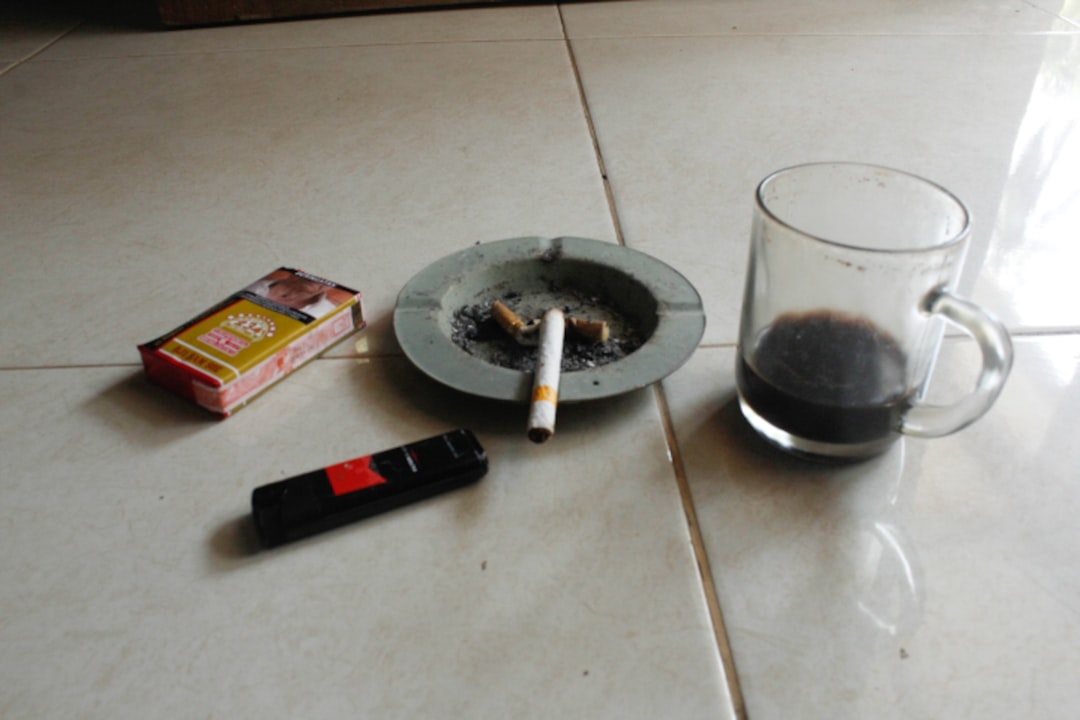
We’ve all been there, haven’t we? That frustrating cycle of trying to quit a bad habit, only to find ourselves back at square one a few days or weeks later. It feels like an uphill battle, and honestly, it can be incredibly disheartening. But what if I told you that understanding the psychology behind these ingrained behaviors could be your secret weapon? It’s not just about willpower; it’s about strategy, and with the right approach, you can absolutely break free. Let’s dive into the fascinating world of habit psychology and equip you with the tools for lasting change! 😊
Understanding the Habit Loop: Why Bad Habits Stick 🤔
Before we can break a habit, we need to understand how it’s formed and why it persists. Charles Duhigg’s “The Power of Habit” popularized the concept of the “habit loop,” which consists of three key components: a cue, a routine, and a reward. Think about it: you see a notification (cue), you pick up your phone and scroll (routine), and you get a hit of dopamine from new content (reward). This loop strengthens over time, making the behavior almost automatic.
Recent research in behavioral psychology continues to emphasize the power of these loops. A 2024 study highlighted that the brain’s reward system plays an even more critical role than previously understood in reinforcing even seemingly minor habits, making them incredibly difficult to dislodge without conscious intervention.
Identifying your specific cues and rewards is the first crucial step in disrupting any bad habit. Without this awareness, you’re essentially fighting a battle blindfolded.
The Latest Trends in Habit Breaking Psychology 📊
The field of habit change is constantly evolving, and 2025 brings some exciting new perspectives. One significant trend is the focus on identity-based habits, championed by experts like James Clear. Instead of focusing on what you want to achieve (e.g., “I want to stop snacking”), it’s about who you want to become (e.g., “I am a healthy eater”). This shift in self-perception can be incredibly powerful in sustaining long-term change.
Another emerging trend involves leveraging technology for behavioral nudges. Apps and wearable devices are becoming more sophisticated, offering personalized prompts and feedback based on individual habit patterns. For instance, some apps now use AI to predict when you’re most vulnerable to a bad habit and offer timely interventions.
Common Bad Habits & Their Psychological Roots (2024-2025 Data)
| Habit Category | Prevalence (US Adults) | Underlying Psychology | Trend (2024-2025) |
|---|---|---|---|
| Excessive Screen Time | ~70% report daily struggle | Dopamine reward, FOMO, social connection | Increasing |
| Unhealthy Snacking | ~60% report frequent indulgence | Stress relief, boredom, emotional eating | Stable to slightly increasing |
| Procrastination | ~85% admit to regular procrastination | Fear of failure, perfectionism, lack of motivation | Persistent |
| Negative Self-Talk | ~50% report daily negative thoughts | Cognitive distortions, past experiences, low self-esteem | Increasing awareness, but still prevalent |
While these statistics provide a general overview, individual experiences with habits can vary greatly. What works for one person might not work for another, so personalized strategies are key.
Key Checkpoints: Remember These Essentials! 📌
Have you been following along? This article is packed with information, so let’s quickly recap the most important takeaways. Please keep these three points in mind:
-
✅
Understand the Habit Loop
Every habit has a cue, a routine, and a reward. Identifying these elements is foundational to breaking the cycle. -
✅
Embrace Identity-Based Change
Shift your focus from what you want to do to who you want to be. This internal transformation fuels sustainable habit change. -
✅
Utilize Strategic Interventions
Implement strategies like habit stacking, environmental design, and mindfulness to actively disrupt cues and replace routines.
Effective Psychological Strategies for Breaking Habits 👩💼👨💻
Now that we understand the “why,” let’s explore the “how.” Here are some powerful psychological approaches you can implement today to start breaking those stubborn habits:
- Replace, Don’t Erase: Trying to simply stop a habit often leaves a void. Instead, focus on replacing the routine with a healthier alternative that provides a similar reward. For example, if your bad habit is stress-eating, replace it with a quick walk or deep breathing exercises.
- Environmental Design: Make your environment work for you, not against you. If you want to stop mindlessly scrolling, move your phone out of reach or delete distracting apps. If you want to eat healthier, keep healthy snacks visible and unhealthy ones out of sight.
- Mindfulness and Awareness: Often, bad habits are automatic. Practicing mindfulness helps you become aware of the cues and the urge to engage in the habit. This pause creates a window of opportunity to choose a different response. A 2023 study found that mindfulness-based interventions significantly reduced cravings and impulsive behaviors.
- Habit Stacking: This involves attaching a new desired habit to an existing, established habit. For example, “After I brush my teeth (existing habit), I will meditate for two minutes (new habit).” This leverages the strength of existing neural pathways.
- Self-Efficacy and Small Wins: Believing in your ability to change (self-efficacy) is crucial. Start with small, achievable goals to build momentum and confidence. Each small win reinforces your belief that you can succeed.
Don’t aim for perfection. Relapses are a normal part of the process. The key is to learn from them, forgive yourself, and get back on track without letting a slip become a full-blown fall.
Real-World Example: Overcoming Procrastination 📚
Let’s look at a concrete example to see these strategies in action. Meet Sarah, a marketing professional who struggled with chronic procrastination, especially when it came to writing reports.

Sarah’s Situation
- Bad Habit: Procrastinating on report writing, often leading to late nights and stress.
- Cue: Receiving an email with a new report assignment.
- Routine: Opening social media, checking personal emails, doing other “easier” tasks.
- Reward: Temporary relief from the anxiety of the difficult task.
Her Strategy
1) Identity Shift: Sarah decided, “I am a productive professional who tackles tasks proactively.”
2) Environmental Design: When a report email arrived, she immediately closed all social media tabs and put her phone on silent in another room.
3) Habit Stacking & Small Wins: “After I read a new report assignment email, I will open a blank document and write just one sentence.” This small, easy step reduced the initial friction. She then used the “Pomodoro Technique” (25 minutes focused work, 5-minute break) to break down the task further.
4) Replacement Reward: Instead of social media, her reward for completing a Pomodoro session was a 5-minute walk or listening to one song she loved.
Final Result
– Sarah significantly reduced her procrastination, completing reports ahead of schedule.
– Her stress levels decreased, and her work quality improved, leading to positive feedback from her manager.
Sarah’s story illustrates that breaking bad habits isn’t about a single magic bullet, but a combination of understanding the underlying psychology and applying consistent, strategic interventions. It’s about making small, deliberate choices that accumulate into significant change.
Conclusion: Your Journey to Lasting Change 📝
Breaking bad habits is a journey, not a destination. It requires patience, self-compassion, and a deep understanding of how your mind works. By applying these psychological approaches – from dissecting the habit loop to embracing identity-based change and implementing strategic interventions – you’re not just fighting a habit; you’re redesigning your behavior for a more fulfilling life.
Remember, every small step forward is progress. Don’t be afraid to experiment with different techniques and find what resonates most with you. What habits are you looking to break, and what strategies have you found most effective? Share your thoughts and questions in the comments below – I’d love to hear from you! 😊