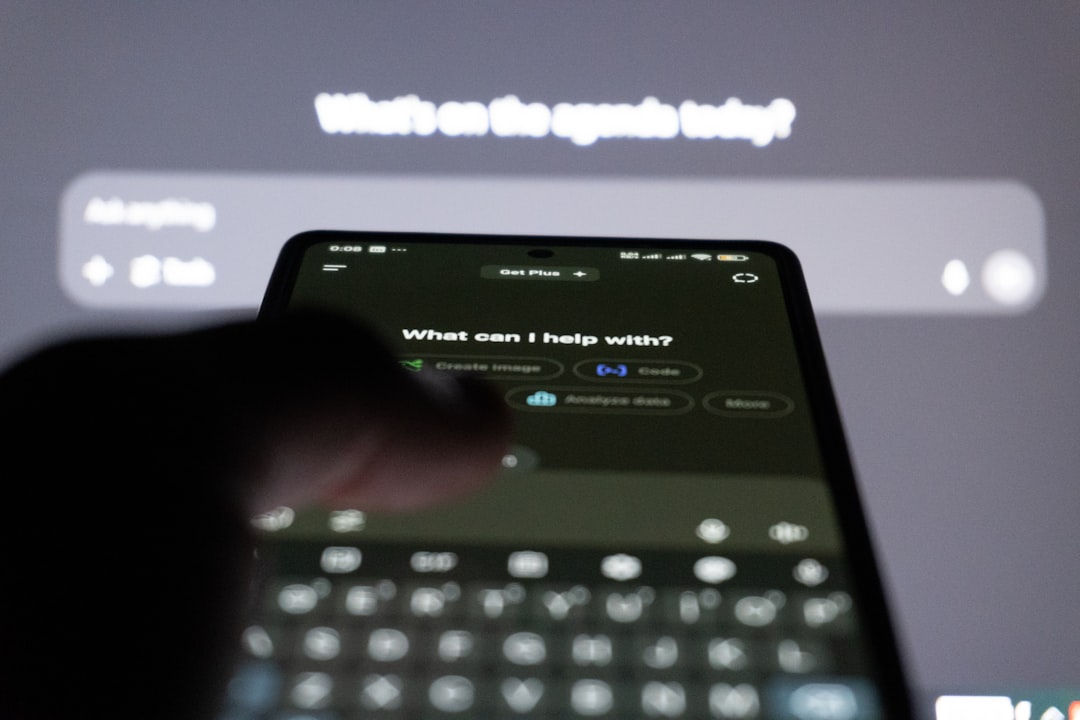
Remember when AI felt like something out of a sci-fi movie? Well, if you’re anything like me, you’ve probably noticed it’s no longer just a futuristic concept; it’s rapidly becoming an integral part of our daily routines. By 2026, Artificial Intelligence is set to move beyond simple automation, evolving into a true partner that amplifies our capabilities and makes life significantly more efficient and intelligent. From anticipating our needs in smart homes to revolutionizing healthcare and boosting personal productivity, AI is quietly reshaping our world. Let’s dive into what this means for you and me! 😊
AI as Your Everyday Partner: Beyond Basic Assistants 🤔
The days of merely asking Siri or Alexa to set a timer are quickly becoming a distant memory. In 2026, personal AI assistants are transforming into sophisticated digital collaborators, understanding context, emotions, and nuances in our speech to provide truly proactive and personalized assistance. They’re designed to learn from our behaviors and preferences, offering tailored support that improves over time.
We’re talking about AI that manages your calendar, plans travel, handles work emails, and even offers emotional support. These advanced assistants will integrate seamlessly across devices, apps, and services, acting more like teammates than simple tools. Imagine an AI that proactively suggests moving a meeting because it noticed you haven’t had a break in four hours, reducing your cognitive load and decision fatigue.
By the end of 2025, roughly one in six people worldwide were using generative AI tools, a significant leap from previous years. This indicates a rapid shift of AI from niche technology to mainstream consumer behavior.
The Intelligent Home: Where AI Lives 📊
Our homes are also getting a major AI upgrade. By 2026, smart homes are moving beyond simple “connectivity” to an era of “proactive service,” where devices anticipate needs and make decisions autonomously. AI enables smart homes to move beyond basic automation toward predictive and adaptive living environments.
Imagine a home that knows your schedule, adjusts the temperature automatically, orders groceries, and even suggests dinner recipes based on your fridge contents. Key trends include behavioral learning for personalized automation, predictive alerts for security and safety, and AI-based image and motion recognition in cameras. At CES 2026, innovations like the LG AI Home Robot, designed to handle chores and learn daily routines, and Samsung’s EdgeAware AI Home, which analyzes sounds and activity for enhanced security, were showcased.
Smart Home Evolution: From Gadgets to Ecosystems
| Category | 2023-2024 (Past) | 2025 (Present) | 2026+ (Future) |
|---|---|---|---|
| Interaction | Command-driven (e.g., “Turn off lights”) | Context-aware voice assistants | Proactive, autonomous decision-making |
| Automation | Basic rules (e.g., “Lights on at sunset”) | Integrated routines, device interoperability | Behavioral learning, predictive adjustments |
| Security | Basic cameras, alarm systems | AI-enabled video analytics, smart locks | AI-driven sound/activity analysis, biometric access |
| Energy | Manual thermostat control | Smart thermostats, basic scheduling | AI energy optimization, peak hour management |
While AI offers incredible convenience, concerns around data privacy and security are paramount. Future AI assistants will have advanced security features to protect our data, but users must remain vigilant about privacy settings and data policies.
Key Checkpoints: What to Remember! 📌
Have you been following along? With so much information, it’s easy to forget the most crucial points. Here are three key takeaways you absolutely need to remember.
-
✅
AI is Evolving from Tool to Partner:
AI is no longer just about automation; it’s becoming a collaborative entity that understands context and proactively assists in daily tasks. -
✅
Smart Homes are Becoming Truly Intelligent:
Predictive and adaptive environments are replacing simple gadgets, offering personalized comfort, security, and efficiency. -
✅
Ethical Considerations are Crucial:
As AI integrates deeper into our lives, addressing privacy, bias, and accountability is essential for responsible and beneficial adoption.
AI in Health & Wellness: A Personalized Approach 👩💼👨💻
The healthcare sector is witnessing a profound transformation thanks to AI. By 2026, AI will move beyond just assisting; it will actively collaborate in diagnostics, personalized treatment models, and operational efficiencies. Diagnostic models can analyze genetic data, MRIs, and X-rays in seconds, enabling earlier and more precise illness detection. Personalized treatment regimens based on each patient’s unique biology and lifestyle are becoming more common.
AI-powered wearable devices will monitor health in real-time, predict potential illnesses, and suggest proactive measures. This shift is crucial, especially considering the projected shortage of 11 million health workers by 2030, leaving billions without essential health services. AI can help bridge this gap by making healthcare smarter, faster, and more compassionate, allowing clinicians to deliver higher-value care.
The World Health Organization projects a shortage of 11 million health workers by 2030. AI is poised to help shrink this global health gap by assisting in diagnostics and personalized treatments.
Boosting Personal Productivity with AI 📚
For many of us, the workday can feel like a constant battle against a never-ending to-do list. Thankfully, AI is stepping in as a powerful ally for personal productivity. By 2026, AI tools will significantly streamline administrative and logistical operations, reducing time spent on routine tasks. I’ve personally started using AI to manage my calendar, and it’s been a game-changer, handling all the back-and-forth scheduling that used to eat up so much time.
Beyond scheduling, AI is enhancing decision-making by analyzing data patterns and even factoring in personal values to help us make better choices faster. It’s also revolutionizing knowledge management, helping organize and retrieve information, and making connections we might have missed. This means more time for creative, high-value tasks and less time on the mundane. In fact, organizations estimate that 34% of all business-related tasks are performed by machines, with the remaining 66% by humans.

Real-World Example: My AI-Powered Morning Routine 📚
Let me share a glimpse into my typical morning, now significantly enhanced by AI. It’s not about replacing human interaction, but augmenting it.
My Situation: A Busy Professional
- Manages multiple projects and a demanding schedule.
- Values efficiency and personalized wellness.
The AI-Powered Process
1) Waking Up: My smart home’s AI-driven circadian lighting system gently brightens the room, mimicking natural sunrise, while my AI assistant provides a personalized morning briefing – weather, top news headlines, and my first meeting of the day.
2) Health Check: My wearable device, integrated with my AI health assistant, has already monitored my sleep quality and vital signs overnight. It suggests a quick stretching routine based on my data and reminds me to take my vitamins.
3) Productivity Prep: While I get ready, my personal AI assistant has already triaged my emails, flagged urgent tasks, and even drafted responses to routine inquiries. It also optimizes my calendar, suggesting a reschedule for a non-critical meeting to accommodate a sudden priority.
Final Result
– **Increased Efficiency:** I start my day informed and organized, saving valuable time on administrative tasks.
– **Enhanced Well-being:** My home and devices proactively support my health and comfort, leading to a less stressful start.
This example highlights how AI is becoming an “invisible intelligence”, working quietly in the background to improve comfort, safety, and everyday living, allowing me to focus on what truly matters.
Wrapping Up: Key Takeaways 📝
As we’ve explored, 2026 is shaping up to be a pivotal year for AI, marking its evolution from a novel technology to an indispensable partner in our daily lives. We’re moving into an era where AI is not just about answering questions but actively collaborating with us, amplifying our expertise, and making our environments more intelligent and responsive.
Embracing these advancements responsibly, with a keen eye on ethical considerations like privacy and bias, will be key to harnessing AI’s immense potential. The future promises increased productivity, personalized care, and smarter living spaces, all powered by the quiet, yet profound, influence of Artificial Intelligence. What are your thoughts on this AI-powered future? Share your questions and comments below! 😊