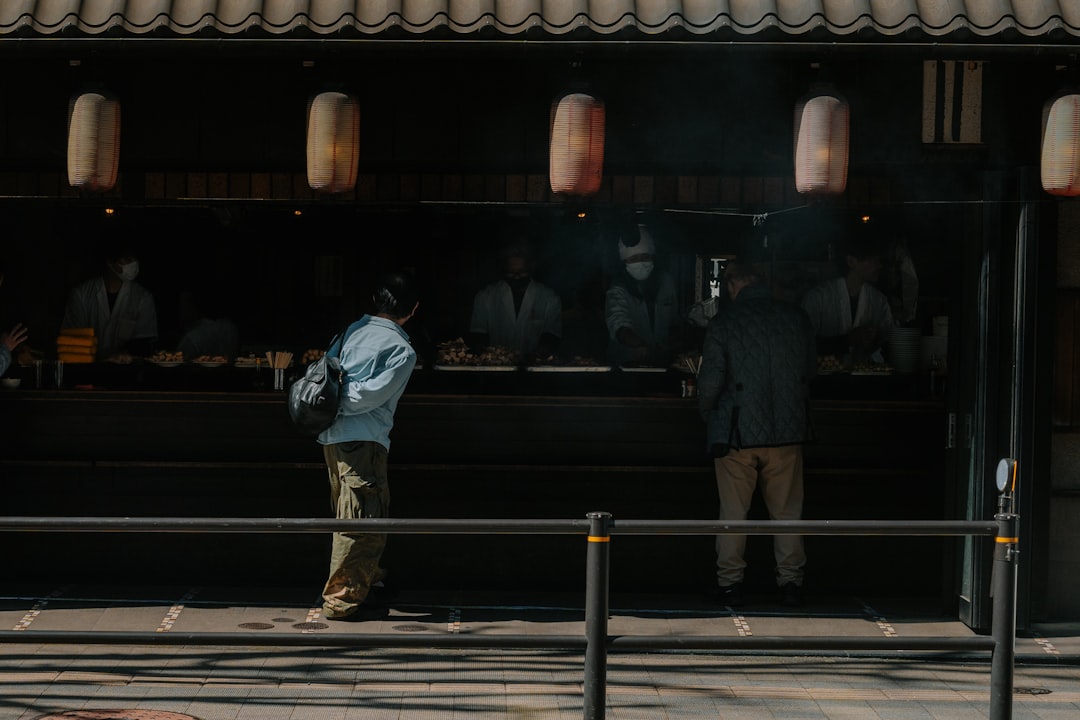
Have you ever planned an entire trip around a single dish? You’re not alone! Food has become more than just sustenance; it’s a window into culture, history, and community. In fact, nearly 80% of travelers now choose destinations based on what they’ll eat, planning their trips from the plate up. The global culinary tourism market is booming, reaching an estimated $1.23 trillion in 2026 with a compound annual growth rate of 15.6%. So, if your taste buds are tingling for an adventure, you’ve come to the right place! This guide will take you through the hottest foodie destinations and essential travel hacks to make your 2026 culinary journey truly spectacular. 😊
The Rise of Culinary Tourism: Trends Shaping Your 2026 Adventures 🤔
The way we travel for food is constantly evolving, with new trends emerging that prioritize authenticity, sustainability, and immersive experiences. Let’s dive into what’s shaping the culinary travel landscape in 2026.
A Quest for Authenticity and Local Flavors
Travelers are increasingly seeking genuine connections to local cuisine, moving beyond Michelin-starred establishments to explore “neighborhood spots, market stalls, and regional specialties.” This shift highlights a desire to eat what locals eat, understand how dishes are made, and experience food as a form of storytelling. The focus is on local producers and chefs, making your meal an integral part of cultural immersion.
The Growing Appetite for Sustainable Gastronomy
Conscious travel is on the rise, and food is a big part of it. “Sustainable gastronomy” means creating food and drink with environmental, social, and economic impacts in mind, focusing on local sourcing, waste minimization, and responsible production. Many travelers are actively seeking out “farm-to-table” experiences and restaurants that advertise organic ingredients and environmental certifications. Choosing sustainable options not only reduces your carbon footprint but also supports local communities and preserves culinary heritage.
Digital Discovery and Social Media Influence
In our digital age, planning a food trip often starts online. The integration of “digital food discovery platforms” and the immense influence of social media are key trends. A staggering 71% of travelers are inspired by online food content, and 54% by influencer recommendations, making platforms like Instagram and TikTok invaluable for discovering local eateries.
Emerging Culinary Trends for 2026
According to MICHELIN Guide Inspectors, several exciting culinary trends are shaping menus in 2026. These include a resurgence of char, smoke, and flame cooking, with chefs embracing direct fire to bring out clearer flavors. There’s also a noticeable lean towards bitterness and umami, with ingredients like endive, radicchio, and fermented foods adding depth. Furthermore, imported international restaurants, particularly Chinese franchises and Asian dessert cafes, are gaining significant traction in major American cities.
The growth in culinary tourism is also driven by an increasing number of international travelers, who seek to “sample local dishes and gain insights into the culture and traditions of their destinations.”
Savor the World: Top Foodie Destinations for 2026 📊
Ready to pack your bags and your appetite? Here are some of the world’s most exciting culinary hotspots to explore in 2026, offering a diverse range of flavors and experiences.
European Delights: From Ancient Canals to Alpine Peaks
- Venice, Italy: Topping many lists for 2026, Venice is undergoing a “hotel renaissance” and a “culinary renaissance” with high-profile openings reshaping its dining scene. Beyond the classic tourist spots, local chefs are reimagining traditional lagoon cuisine.
- The Dolomites, Italy: With the Winter Olympic Games in February 2026, this region in North Italy is set for a culinary transformation. Expect “refined mountain hotels and increasingly ambitious alpine cooking” rooted in local ingredients like buckwheat, speck, and mountain cheeses.
- Czechia: Thanks to its first nationwide MICHELIN Guide, Czechia is gaining significant attention, highlighting everything from Prague’s restaurants to the spa town kitchens of South Moravia.
- Rouen, France: Awarded the UNESCO Creative City of Gastronomy label in 2021, Rouen is focusing on short supply chains and local producers. 2026 marks the culminating year of this award, showcasing its full gastronomical glory with classics like sole à la normande and Duclair duck.
Asian Adventures: Street Food Havens and Hidden Gems
- Bangkok, Thailand: Widely recognized as “The King of Street Food,” Bangkok offers an unparalleled street food culture with iconic dishes like Pad Thai, Tom Yum Soup, and Mango Sticky Rice. The city’s flavors are bold, combining spicy, sweet, and sour in every bite.
- Ho Chi Minh City, Vietnam: This vibrant city thrives on its street food culture, influenced by French colonial history and Vietnamese traditions. Signature dishes include pho and bánh mì, packed with fresh herbs.
- Jiangsu Province, China: Emerging as an affordable yet refined food destination, cities like Suzhou and Nanjing offer exquisite garden cuisine and classical techniques, gaining formal recognition from new MICHELIN Guides.
- Osaka, Japan: A bustling city offering an authentic experience of modern Japanese life, Osaka is a must-visit for tea ceremonies, ramen, and tempura. Don’t miss the Takoyaki and Okonomiyaki.
The Americas: From Coastal Seafood to Culinary Fusion
- Lima, Peru: Transformed into one of the world’s most exciting food destinations, Lima is celebrated for its biodiversity and cultural fusion. Ceviche is the star, made with fresh fish from the Pacific waters, alongside native ingredients like ají peppers.
- Mexico City, Mexico: A dream destination for foodies, Mexico City offers an unmatched mix of history, flavor, and creativity. It’s famous for street food like tacos al pastor, tamales, and tlacoyos, alongside globally ranked restaurants.
- Florida, USA: Expanding its culinary identity beyond Miami, Florida is becoming a “connected food destination” in 2026. Expect seafood-driven menus and chef-led dining rooms, especially during the peak season from January to March.
- Philadelphia, USA: This historic city is gaining fresh emphasis on its seafood and seasonal sourcing. Philadelphia highlights mid-Atlantic ingredients and diverse immigrant traditions, offering the chance to eat globally famous dishes like the cheesesteak where they were invented.
While many cities offer incredible culinary experiences, tourist traps often lurk near major attractions. These spots frequently serve overpriced, mediocre food. Always venture a few blocks away or into less crowded neighborhoods for a more authentic experience.
Key Checkpoints: Remember These for Your Foodie Adventure! 📌
You’ve made it this far, fantastic! With so much to digest, let’s quickly recap the absolute essentials for planning your next culinary escapade. Keep these three points in mind, and you’ll be well on your way to an unforgettable food journey.
-
✅
Embrace Authenticity Over Tourist Traps:
Prioritize local eateries, street food stalls, and markets where locals dine. This ensures a genuine taste of the culture and avoids overpriced, inauthentic options. -
✅
Sustainable Choices Enhance the Experience:
Look for farm-to-table restaurants and support local producers to make your culinary journey eco-conscious and beneficial to the community. -
✅
Research and Local Insights are Your Best Friends:
Utilize food blogs, social media, and local recommendations to uncover hidden culinary gems, and don’t be afraid to try new things!
Mastering Your Culinary Journey: Essential Food Travel Tips 👩💼👨💻
Now that you know where to go, let’s talk about how to make the most of your food-focused travels. These practical tips will help you navigate local food scenes like a seasoned pro.
1. Do Your Homework (But Not Too Much!)
Before you even leave, a little research goes a long way. Check out food blogs, travel websites, and social media platforms like Instagram and TikTok for insights into local dining. Be specific with your searches, like “Best street food in Bangkok” or “authentic ceviche in Lima.” Make a note of specific dishes you want to try so you can recognize them on menus.
2. Eat Where the Locals Eat
This is perhaps the most crucial tip for authentic food experiences. Avoid restaurants directly next to major tourist attractions, as they often cater to visitors with generic and overpriced fare. Instead, wander a few blocks away into less crowded neighborhoods. Look for places packed with locals – a good sign of quality and authenticity.
3. Explore Local Markets
Local markets are a foodie’s paradise! They offer the freshest ingredients, often cooked right before your eyes, and provide a fantastic opportunity to rub elbows with locals. You’ll find everything from fresh produce to unique street food and regional delicacies. Visiting markets also allows you to support local communities and producers directly.

4. Take a Food Tour or Cooking Class
Food tours, often led by locals, are an excellent way to discover hidden culinary gems and gain insights into local traditions. Cooking classes offer a hands-on experience, allowing you to learn traditional techniques and even recreate dishes at home.
5. Ask Locals for Recommendations
Don’t be shy! Engage with hotel staff (beyond the concierge), shop owners, or taxi drivers. They often have invaluable insider knowledge of the best places to eat that aren’t in guidebooks. Ask them, “Where can I get typical food from your country that’s not too expensive?”
6. Be Open and Adventurous
Mix your dining experiences! Try everything from upscale restaurants to casual street food vendors to get a full spectrum of the local food culture. If you have dietary restrictions, explore ethnic neighborhoods, which often offer diverse and delicious options. Sometimes, the best experiences come from venturing off the beaten path and trusting your instincts.
Carry a reusable water bottle and refill it after airport security. This saves money and reduces plastic waste, especially on long travel days.
Real-World Example: A Taste of Bangkok’s Street Food Scene 📚
Let’s imagine a traveler, Sarah, on a mission to experience Bangkok’s legendary street food. Here’s how she might apply these tips for an unforgettable culinary adventure.
Sarah’s Bangkok Foodie Plan
- Research: Before arriving, Sarah scoured food blogs and Instagram for “best street food Bangkok 2026,” noting popular dishes like Pad Thai, Tom Yum Soup, and Mango Sticky Rice. She saved highly-rated street food stalls and markets on Google Maps for offline access.
- Local Immersion: Upon arrival, she asked her hotel bellhop for his favorite local, non-touristy spot for Pad See Ew. He pointed her to a small stall a few blocks away, frequented by taxi drivers.
Her Culinary Exploration
1) Day 1: Sarah booked a guided street food tour by tuk-tuk, specifically looking for one that highlighted MICHELIN-recognized street food vendors. This helped her gain confidence and discover hidden gems.
2) Day 2: She visited Chatuchak Weekend Market, a bustling local market, where she sampled various grilled skewers, fresh fruit, and a delicious bowl of boat noodles, all while observing locals.
3) Day 3: Venturing into a less touristy area, Sarah found a small, unassuming restaurant with a queue of locals. She ordered the green curry, a dish she had researched, and it was one of the best meals of her trip.
Final Result
– Authentic Flavors: Sarah experienced the true, bold flavors of Thai cuisine, from spicy to sweet.
– Cultural Connection: She interacted with locals, learned about dishes, and felt a deeper connection to Bangkok’s vibrant food culture.
Sarah’s experience highlights that with a bit of planning and an open mind, you can truly unlock the authentic culinary soul of any destination. It’s about more than just eating; it’s about experiencing.
Wrapping Up: Your Next Delicious Adventure Awaits! 📝
As we’ve explored, the world of culinary travel in 2026 is rich with opportunities for incredible discoveries. From the bustling street food scenes of Asia to the refined alpine cooking of the Dolomites, there’s a destination to tantalize every palate. Remember, the key to an unforgettable food journey lies in embracing authenticity, making sustainable choices, and leveraging local insights.
So, what are you waiting for? Start planning your next delicious adventure today! Your taste buds (and your soul) will thank you. If you have any questions or your own favorite foodie travel tips, please share them in the comments below! 😊