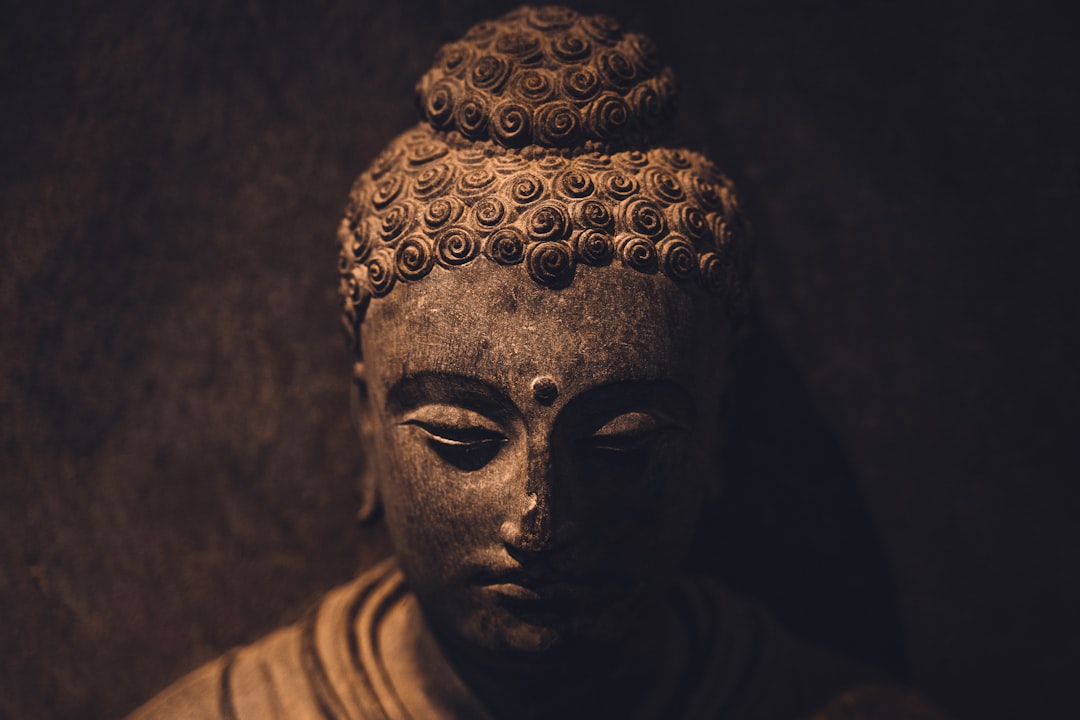
In our fast-paced world, it’s easy to feel disconnected from ourselves, experiencing the toll of stress on both our mental and physical health. Many of us are searching for ways to find balance, reduce anxiety, and cultivate a deeper sense of peace. What if there was a practice that could address both your physical discomfort and mental unrest at the same time? The good news is, there is! Meditation, an ancient practice, is increasingly recognized by modern science as a powerful tool for holistic healing. Let’s dive into how you can harness its power to heal your body and mind. 😊
The Science of Mind-Body Connection: What 2025 Research Shows 🤔
The idea that our mind and body are intricately linked is not new, but recent scientific advancements in 2025 are providing even clearer evidence of this profound connection, especially concerning meditation. Research continues to demonstrate how meditation can induce significant physiological and neurobiological changes, leading to tangible health benefits.
For instance, studies in early 2025 revealed that meditation can lead to changes in activity in the amygdala and hippocampus, key brain regions involved in emotional regulation and memory. This insight helps explain the positive impact these practices have on mental well-being and suggests potential for developing meditation-based approaches to improve memory and emotional regulation. Furthermore, mindfulness practice is associated with increased cortical thickness in brain areas related to emotional regulation and reduced amygdala reactivity, which is central to our stress and fear response.
Just 10 minutes of daily mindfulness practice can improve overall well-being by 6.9%, reduce depression by 19.2%, and decrease anxiety by 12.6% compared to control groups, according to a 2024 study. These benefits were largely sustained after 30 days.
Popular Meditation Techniques for Holistic Healing 📊
As we move into 2025, the landscape of meditation is evolving, with a growing emphasis on personalized and integrated practices. Several techniques are gaining traction for their ability to foster holistic healing, addressing both mental and physical aspects of health.
One of the most significant trends is the rise of AI-powered meditation applications, which analyze user behavior and preferences to offer personalized meditation experiences. These apps make it easier for individuals to find practices tailored to their specific mental health needs. Virtual Reality (VR) is also playing a pivotal role, transporting users to tranquil landscapes for deeper relaxation and focus.
Key Meditation Techniques and Their Benefits
| Technique | Description | Mind Benefits | Body Benefits |
|---|---|---|---|
| Mindfulness Meditation | Focusing on the present moment, observing thoughts and sensations without judgment. | Reduces stress, anxiety, depression; improves focus and self-awareness. | Lowers blood pressure, improves sleep quality, helps with chronic pain. |
| Breathwork (e.g., Coherent Breathing) | Structured breathing patterns to regulate the nervous system. | Balances autonomic nervous system, lowers stress hormones, enhances cognitive function. | Improves heart rate variability, increases oxygen supply, promotes relaxation. |
| Body Scan Meditation | Systematically bringing awareness to different parts of the body to release tension. | Increases body awareness, reduces mental stress, improves presence. | Eases physical discomfort, helps manage chronic pain, promotes deep relaxation. |
| Loving-Kindness Meditation (Metta) | Cultivating feelings of warmth, kindness, and compassion towards oneself and others. | Increases optimism, empathy, and positive emotions; reduces self-criticism. | May reduce inflammation and improve immune function. |
While meditation is generally safe, individuals with existing mental or physical health conditions should consult their healthcare provider before starting a new practice. Meditation is a complementary tool, not a replacement for traditional therapies.
Key Checkpoints: What to Remember! 📌
Have you been following along? This article is packed with information, so let’s quickly recap the most crucial points. Please keep these three things in mind.
-
✅
Meditation is Scientifically Proven for Mind-Body Healing.
Recent research in 2025 highlights meditation’s ability to create positive neurobiological changes, reducing stress, anxiety, and even impacting brain regions associated with memory and emotional regulation. -
✅
Embrace Diverse and Personalized Techniques.
From mindfulness to breathwork and body scans, there’s a meditation style for everyone. The rise of AI-powered apps and virtual reality is making personalized practice more accessible than ever. -
✅
Consistency is Key for Lasting Benefits.
Even short, daily sessions can lead to significant improvements in well-being, stress reduction, and overall mental and physical health. Integrating meditation into your daily routine is crucial for long-term results.
Integrating Meditation into Daily Life: Trends & Tips 👩💼👨💻
In 2025, meditation is no longer confined to spiritual retreats; it’s becoming a mainstream tool for daily well-being, integrated into various aspects of life, from personal routines to corporate wellness programs. The accessibility of meditation has significantly increased, driven by technological advancements and a growing awareness of mental health.
One prominent trend is the continued growth of mindfulness meditation apps. The global meditation app market is projected to reach $481.1 million in 2025, with a Compound Annual Growth Rate (CAGR) of 12.2% from 2025 to 2033. This growth is fueled by personalized features, gamification, and diverse meditation techniques that cater to a broad user base. Popular apps like Headspace, Calm, and Insight Timer continue to evolve, offering guided sessions, sleep aids, and community features.
Corporate wellness programs are also increasingly incorporating meditation. Companies are recognizing that workplace stress impacts employee well-being and productivity, costing the U.S. industry over $300 billion annually. Meditation programs in the workplace are shown to reduce stress, boost employee well-being, enhance creativity, and improve focus, leading to increased productivity and reduced absenteeism.
- Start Small: Even 5-10 minutes daily can make a difference. Consistency is more important than duration.
- Use Technology: Explore meditation apps for guided sessions, timers, and personalized programs.
- Mindful Moments: Integrate micro-meditations into your day, like a breath check-in during a coffee break or mindful walking.
- Create a Space: Designate a quiet, comfortable area in your home for your practice.
- Combine with Movement: Explore practices like mindful yoga or Tai Chi to connect breath with physical activity.
Real-World Example: Sarah’s Journey to Holistic Healing 📚
Let’s consider Sarah, a 38-year-old marketing manager who often felt overwhelmed by work deadlines and struggled with chronic tension headaches and restless sleep. She knew she needed a change but wasn’t sure where to start.
Sarah’s Situation
- Symptoms: Frequent tension headaches, difficulty falling asleep, persistent anxiety, and irritability.
- Lifestyle: High-stress job, long hours, limited time for self-care.
- Goal: Reduce stress, improve sleep, alleviate headaches, and find inner peace.
Her Meditation Journey
1) Starting with an App: Sarah downloaded a popular meditation app (like Headspace or Calm) and committed to 10-minute guided mindfulness sessions each morning.
2) Incorporating Breathwork: She learned coherent breathing techniques and practiced them during short breaks at work to manage immediate stress.
3) Evening Body Scans: Before bed, she used guided body scan meditations to release physical tension and prepare for sleep.
4) Mindful Movement: On weekends, she started taking mindful walks in nature, focusing on her senses and the sensation of her feet on the ground.
Final Results (After 3 Months)
– Headache Reduction: Her tension headaches decreased by 70%, becoming less frequent and less severe.
– Improved Sleep: She now falls asleep faster and experiences more restful sleep, waking up feeling refreshed.
– Reduced Anxiety: Her overall anxiety levels significantly dropped, and she felt a greater sense of calm and emotional balance.
– Enhanced Focus: Sarah noticed improved concentration at work and a more positive outlook on challenges.
Sarah’s story illustrates how a consistent and varied meditation practice can lead to profound improvements in both physical and mental health. It’s a testament to the power of integrating these techniques into daily life for holistic well-being.
Conclusion: Embrace Your Healing Journey 📝
As we’ve explored, meditation is far more than just a relaxation technique; it’s a scientifically-backed pathway to holistic healing, offering tangible benefits for both your body and mind. With the latest trends in personalized apps, AI integration, and a deeper understanding of the mind-body connection, there’s never been a better time to start or deepen your meditation practice.
By dedicating even a few minutes each day, you can cultivate inner peace, reduce stress, improve physical health, and unlock a more balanced and fulfilling life. Your journey to holistic well-being starts now. What are your thoughts on integrating meditation into your daily routine? Share your experiences or questions in the comments below! 😊
Holistic Healing at a Glance
Frequently Asked Questions ❓