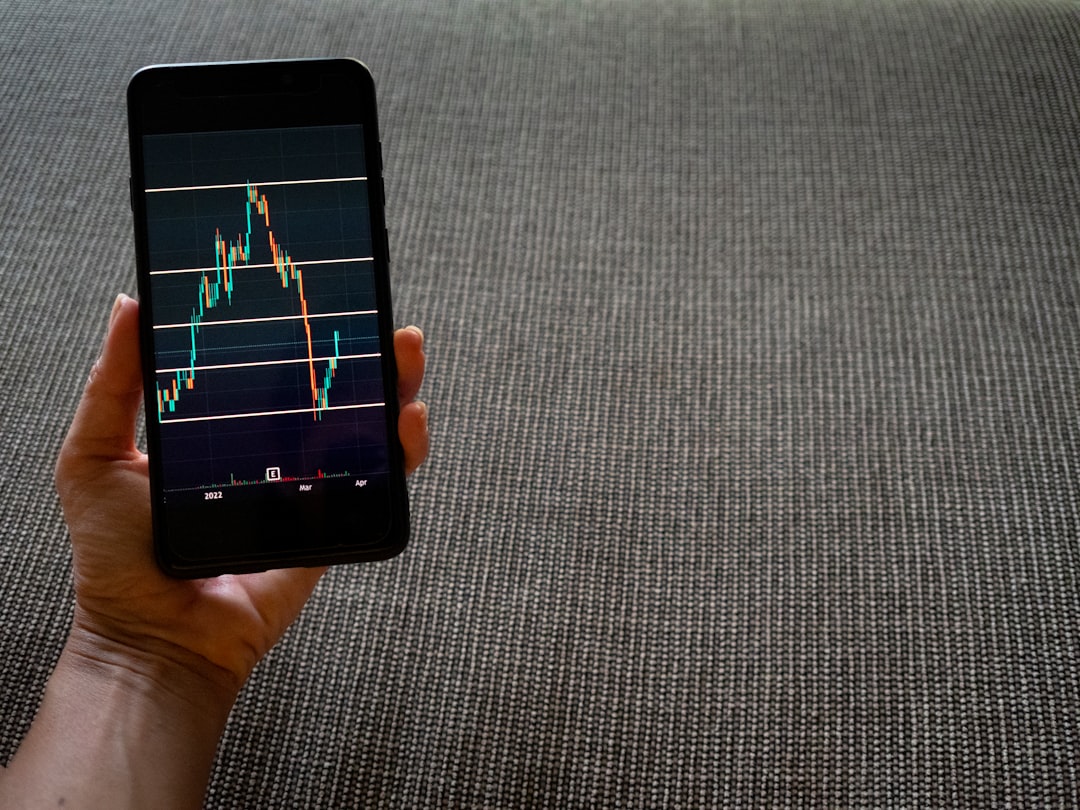
Have you ever felt overwhelmed by the fast-paced world of day trading, or perhaps found long-term investing a bit too slow for your taste? You’re not alone! Many aspiring traders are looking for a sweet spot that offers both exciting opportunities and a manageable time commitment. That’s where swing trading comes in. It’s a powerful strategy that allows you to capitalize on short-to-medium term price movements in the stock market, without needing to be glued to your screen all day. Ready to explore how you can leverage this technique in 2026? Let’s dive in! 😊
What Exactly is Swing Trading? 🤔
At its core, swing trading is a style where you hold a stock position for several days to a few weeks, aiming to profit from “swings” in price within an established trend or range. Unlike day traders who close all positions before the market closes, swing traders carry positions overnight and sometimes over weekends. This approach offers a significant advantage: time. You don’t need to monitor the market constantly; most swing traders dedicate about 30 to 60 minutes daily to analysis, then set their entries, stops, and targets.
In 2026, the market landscape presents unique challenges and opportunities for swing traders. Retail order flow is more visible to institutional traders and algorithms, meaning classic patterns might be “faded” more aggressively. The key to success now lies in understanding volatility regimes rather than solely predicting direction.
Swing trading is a preferred style for 43.3% of traders, making it more popular than day trading (28.3%) in recent surveys. This highlights its appeal for those seeking a balance between active trading and a less demanding schedule.
Key Principles and Strategies for 2026 📊
Successful swing trading in 2026 involves a combination of identifying trends, utilizing technical indicators, and adapting to market conditions. Some of the most reliable strategies include mean reversion to the 20 EMA, breakouts from consolidation, and Fibonacci retracement entries.
It’s crucial to remember that each strategy performs best under specific market conditions. For instance, mean reversion to the 20-period Exponential Moving Average (EMA) is most effective in stocks with a clear weekly uptrend.
Essential Technical Indicators for Swing Traders
Technical indicators are your best friends in swing trading, providing insights into market trends, momentum, and potential reversal points. Here’s a look at some of the most effective ones for 2026:
| Indicator | Purpose | Key Use in Swing Trading |
|---|---|---|
| Moving Averages (MA) | Identify trend direction and strength. | Confirm overall market direction; EMA (Exponential Moving Average) is highly favored for its responsiveness to recent price action. |
| Relative Strength Index (RSI) | Measure momentum, overbought/oversold conditions. | Signal potential reversals; above 70 is overbought, below 30 is oversold. |
| MACD (Moving Average Convergence Divergence) | Show trend confirmation and momentum. | Helps identify entry and exit points by showing shifts in momentum. |
| Fibonacci Retracement | Identify potential support and resistance levels. | Pinpoint specific price levels where traders cluster entries, especially 50% and 61.8% levels. |
While indicators are powerful, relying on too many can lead to “analysis paralysis.” The best swing traders simplify their strategy. Always test your strategies and adapt to market changes.
Key Checkpoints: Remember These! 📌
Have you followed along well so far? With a longer article, it’s easy to forget key details. Let’s quickly recap the most important takeaways. Please keep these three points in mind.
-
✅
Swing Trading is a Marathon, Not a Sprint.
Unlike day trading, swing trading focuses on capturing larger price movements over several days to weeks, requiring patience and less constant screen time. -
✅
Risk Management is Your Foundation.
Always define your risk tolerance, use stop-loss orders, and apply proper position sizing to protect your capital. -
✅
Adapt to 2026 Market Dynamics.
Focus on volatility regimes, and consider themes like AI and Energy, as market behavior has evolved.
Managing Risk in Swing Trading 👩💼👨💻
Effective risk management is not just important; it’s the bedrock of successful swing trading. It’s about safeguarding your capital and ensuring consistent profitability over time. Without robust risk management, you risk losing your entire investment.
- Stop-Loss Orders: Always use stop-loss orders to automatically exit a position if the price moves against you, limiting potential losses.
- Position Sizing: Limit the risk per trade by allocating a predetermined percentage of your capital (e.g., 1-2% of total assets) to each trade.
- Risk-Reward Ratio: Aim for trades where the potential profit significantly outweighs the potential risk, typically a 1:2 or 1:3 ratio.
- Diversification: Spread your trades across different sectors and asset classes to mitigate risk.
- Emotional Control: Discipline to stick to your trading plan and control emotions during volatile market conditions is paramount to avoid impulsive decisions.
In 2026, geopolitical instability, particularly in the Middle East, has led to significant volatility in oil prices, which in turn impacts global equity markets. Being aware of such macroeconomic factors is crucial for managing risk.
Real-World Example: A Hypothetical Swing Trade 📚
Let’s walk through a simplified hypothetical example of a swing trade using the “Mean Reversion to the 20 EMA” strategy, which is best in trending markets.
Trader’s Situation
- Stock: “TechGrowth Inc.” (TGI), a hypothetical stock in a clear weekly uptrend.
- Strategy: Mean Reversion to 20 EMA.
- Observation: TGI pulls back to its 20 EMA on the daily chart, forming a bullish reversal candle.
Trading Process
1) Entry: The trader enters a long position at the close of the bullish reversal candle, or the break of the candle’s high the next day.
2) Stop-Loss: A stop-loss order is placed below the 20 EMA, or if the price closes below the 20 EMA for two consecutive days.
3) Target: The first target is set at the most recent swing high. A trailing stop is used to protect profits as the price moves favorably.
Potential Outcome
– Win Rate: This setup typically yields a 55-65% win rate in trending markets.
– Profit Potential: By holding for several days to weeks, the trader aims to capture a significant portion of the upward swing, potentially achieving a favorable risk-reward ratio.
This example illustrates how a disciplined approach, combined with technical analysis and proper risk management, can lead to profitable swing trades. Remember, consistency and adherence to your predefined trading rules are key.
Conclusion: Your Path to Swing Trading Success 📝
Swing trading offers a compelling avenue for those looking to actively participate in the stock market without the intense demands of day trading. By understanding its core principles, mastering key technical indicators, and rigorously applying risk management techniques, you can position yourself for success in the dynamic markets of 2026.
Remember, the market is constantly evolving, and your ability to adapt, learn, and maintain emotional discipline will be your greatest assets. Don’t be afraid to practice with a demo account before risking real capital, and always seek to refine your strategies. What are your thoughts on swing trading, or do you have a favorite indicator? Let us know in the comments below! 😊