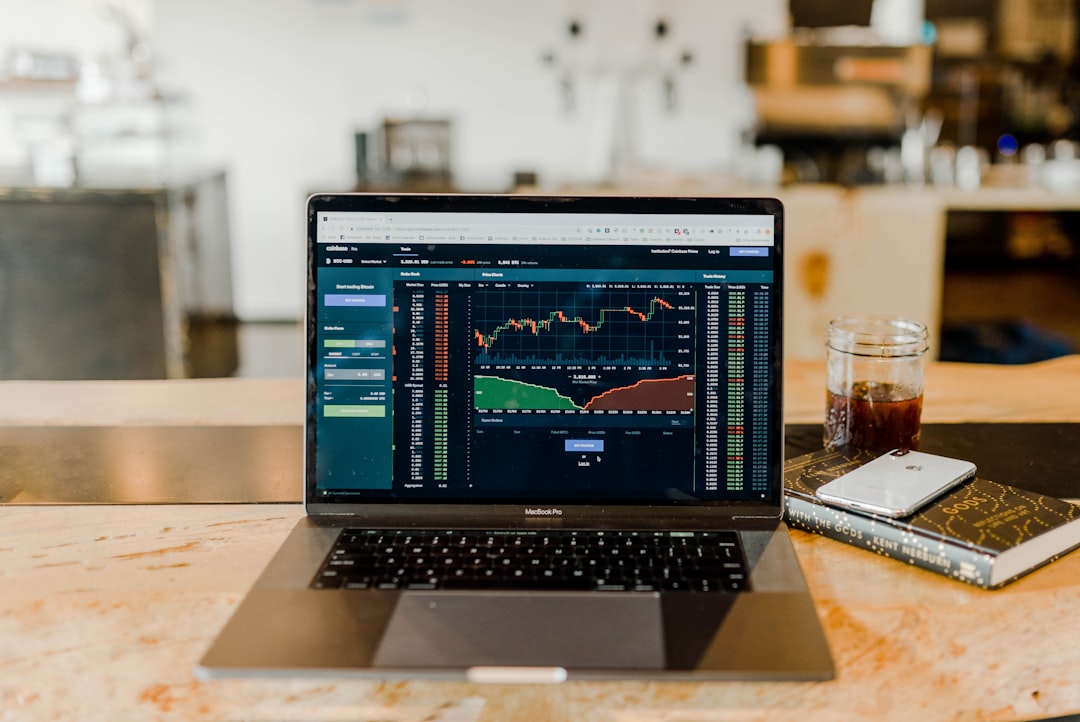
Have you ever felt frustrated watching the market consolidate, waiting for a clear direction, only to miss out on a big move when it finally happens? I’ve been there! The forex market can feel like a riddle, with prices often ranging for extended periods, testing your patience. But what if there was a way to identify those pivotal moments when the market is about to make a significant move and capitalize on it? That’s exactly where the breakout trading strategy shines, offering a structured approach to catch those explosive price actions. Let’s dive in and unlock the potential of this exciting technique! 😊
What is Forex Breakout Trading? 🤔
At its core, forex breakout trading is a strategy where traders enter a position when the price of a currency pair moves outside a defined trading range or pattern. Think of it like a coiled spring – prices are consolidating, building energy within a certain boundary (often identified by support and resistance levels or trendlines). When that price finally “breaks out” of this boundary, it often signifies the start of a new trend or a significant continuation of an existing one. The goal is to jump in early and ride that momentum for substantial profits.
This strategy is particularly popular because it aims to capture the start of potentially large price swings, offering favorable risk-to-reward ratios if executed correctly. It relies heavily on technical analysis to identify these consolidation patterns and the critical levels where a breakout might occur. Understanding market structure and price action is absolutely key to success here.
Breakout trading isn’t just about spotting a line being crossed. It’s about understanding the underlying market sentiment and momentum that drives the price through that level. High volume on a breakout often indicates strong conviction, making the move more reliable.
Key Tools & Indicators for Identifying Breakouts 📊
To effectively identify and trade breakouts, you’ll need a robust toolkit of technical indicators and charting techniques. These tools help confirm the validity of a potential breakout and manage risk. In today’s dynamic markets, especially as of early 2026, many traders are integrating these traditional tools with advanced analytical platforms to get an edge. Recent trends show an increased focus on volume-based confirmations and multi-timeframe analysis for higher probability setups.
Let’s explore some of the most crucial indicators and how they play a role in a successful breakout strategy.
Essential Breakout Confirmation Indicators
| Category | Indicator | Description | Role in Breakout Trading |
|---|---|---|---|
| Momentum | Relative Strength Index (RSI) | Measures the speed and change of price movements. | Confirms strong momentum on breakout, avoids overbought/oversold reversals. |
| Volatility | Bollinger Bands | Price envelopes plotted at a standard deviation level above and below a simple moving average. | Breakouts outside the bands indicate increasing volatility and potential trend initiation. |
| Trend | Moving Averages (e.g., 50, 200 EMA) | Smooths out price data to identify trend direction. | Acts as dynamic support/resistance; price breaking above/below can confirm trend change. |
| Volume (Proxies in FX) | Tick Volume / On-Balance Volume (OBV) | Tick volume measures the number of price changes, OBV relates volume to price change. | Increased volume on a breakout candle suggests strong conviction and validity of the move. |
The biggest pitfall in breakout trading is the “false breakout” or “fakeout.” This is when the price briefly moves outside a range, only to quickly reverse back into it. Studies suggest that up to 70% of initial breakouts, especially on lower timeframes, can be false. Always wait for strong confirmation before entering!
Key Checkpoints: Remember These Essentials! 📌
Made it this far? Great! With so much to cover, it’s easy to forget the crucial details. Let’s recap the absolute essentials you need to remember for successful breakout trading.
-
✅
Confirm Your Breakouts!
Don’t jump in at the first sign of a break. Always look for confirmation through increased volume (or tick volume in FX) and strong candle closes outside the range. -
✅
Prioritize Risk Management!
Set strict stop-loss orders immediately after entry. False breakouts are common, so protecting your capital is paramount. -
✅
Practice Patience and Discipline!
Waiting for the ideal setup and avoiding impulsive trades is crucial. Not every consolidation leads to a tradable breakout.
Advanced Breakout Techniques & Market Insights 👩💼👨💻
While the basic breakout strategy is powerful, seasoned traders often employ more refined techniques to enhance their edge. One popular advanced approach is the “retest breakout” strategy. Instead of entering immediately when the price breaks out, traders wait for the price to pull back and “retest” the broken support or resistance level. If the level holds (e.g., former resistance becomes new support), it offers a higher-probability entry with a tighter stop-loss.
Another key insight in today’s market is the increasing role of multi-timeframe analysis. A breakout on a 15-minute chart might be a minor fluctuation, but a breakout confirmed on a 4-hour or daily chart carries much more weight and potential for a sustained move. Always check higher timeframes to confirm the overall trend and market context before taking a breakout trade on a lower timeframe. This holistic view significantly improves trade quality.
The forex market is heavily influenced by economic data releases and central bank announcements. Be aware of the economic calendar. Trading breakouts during major news events can be extremely volatile and unpredictable, often leading to rapid false breakouts or excessive slippage. It’s often safer to either avoid trading around high-impact news or adjust your risk accordingly.
Practical Example: Trading a EUR/USD Breakout 📚
Let’s walk through a hypothetical scenario to illustrate how a breakout trade might unfold on the EUR/USD currency pair. Imagine it’s early May 2026, and the market has been consolidating.

Trader Sarah’s Situation
- **Currency Pair**: EUR/USD (4-hour chart)
- **Market Condition**: Price has been ranging between 1.0750 (resistance) and 1.0700 (support) for several days.
- **Observation**: Sarah notices a series of smaller candlesticks forming near the 1.0750 resistance, indicating potential accumulation or distribution.
Trading Process
1) **Breakout Identification**: A large bullish candle closes strongly above 1.0750, accompanied by a noticeable increase in tick volume. This signals a potential breakout to the upside.
2) **Confirmation & Entry**: Sarah waits for the next candle to open and shows continuation above 1.0750. She enters a buy order at 1.0760, confirming the upward momentum.
3) **Risk Management**: She immediately places a stop-loss order below the previous resistance, at 1.0740, to protect against a false breakout. Her initial risk is 20 pips.
4) **Target Setting**: Based on the size of the previous consolidation range (50 pips), she sets a take-profit target of 1.0860 (1.0760 + 100 pips, aiming for a 1:5 risk-to-reward ratio). Alternatively, she could use trailing stops.
Final Outcome
– **Result**: The price continues its upward trajectory, reaching 1.0860 within the next 12 hours, hitting Sarah’s take-profit target.
– **Profit**: Sarah secures a profit of 100 pips, successfully leveraging the breakout. This highlights the potential of a positive risk-to-reward ratio often seen in successful breakout trades.
This example demonstrates the importance of not only identifying the breakout but also confirming it with other indicators and, crucially, managing your risk from the outset. Sarah’s disciplined approach allowed her to capture a significant move while protecting her capital.
Conclusion: Summarizing Key Takeaways 📝
Breakout trading in the forex market can be an incredibly rewarding strategy for traders looking to capitalize on strong directional moves. By understanding consolidation patterns, utilizing key technical indicators for confirmation, and rigorously applying risk management, you can significantly improve your chances of success.
Remember, patience and discipline are your best allies. Not every range will break, and not every breakout will be successful. But with a solid understanding and consistent practice, you can master this dynamic trading technique. What are your favorite breakout patterns? Share your thoughts and questions in the comments below – I’d love to hear from you! 😊