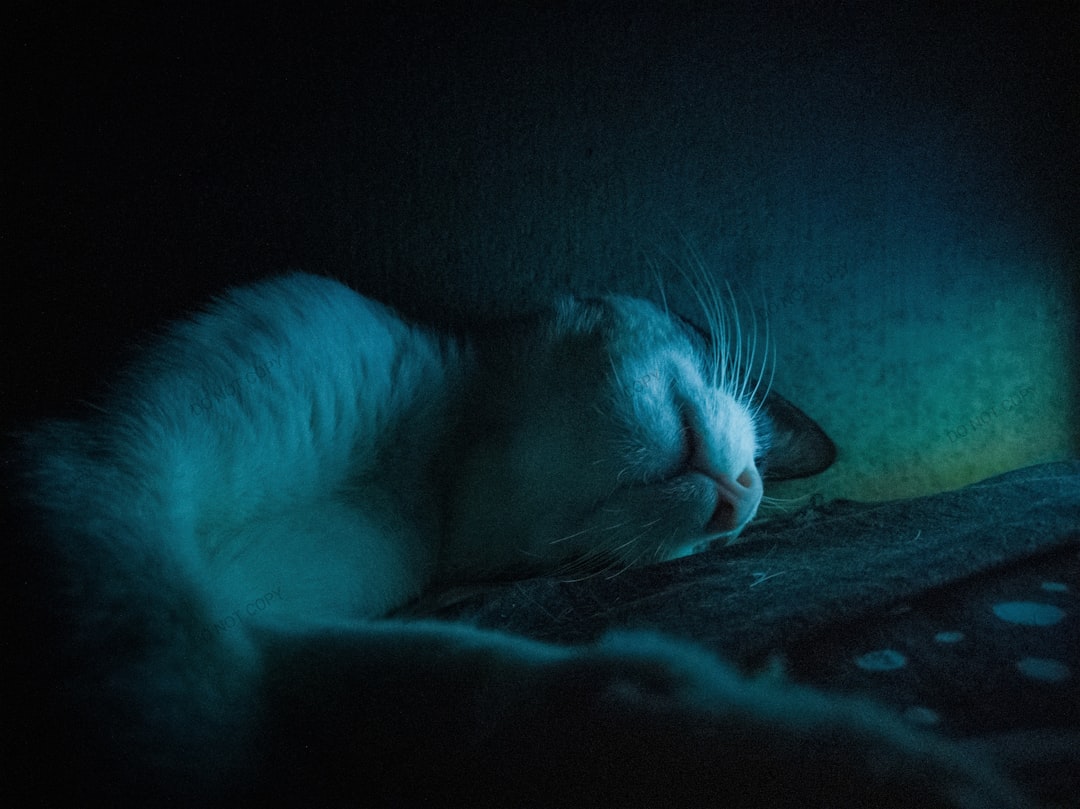
Ever find yourself tossing and turning, staring at the ceiling, wishing for just a few more hours of blissful unconsciousness? You’re definitely not alone! In our fast-paced world, quality sleep often feels like a luxury, not a necessity. But the truth is, sleep is a fundamental pillar of our health, impacting everything from our mood and cognitive function to our physical well-being. Good news, though! Science is constantly uncovering new ways to help us achieve that elusive deep sleep. Let’s dive into the latest research and practical tips to help you sleep better, starting tonight! 😊
The Science of Sleep: Understanding Your Body Clock 🤔
Before we dive into tips, let’s quickly understand what’s happening when you sleep. Your body operates on a circadian rhythm, an internal 24-hour clock that regulates your sleep-wake cycle. This rhythm is heavily influenced by light and darkness. When light hits your eyes, your brain signals the production of cortisol, keeping you alert. As darkness falls, your brain produces melatonin, the hormone that makes you feel sleepy.
Disrupting this natural cycle, for example, by exposing yourself to bright lights or screens late at night, can significantly delay melatonin production and make it harder to fall asleep. It’s a delicate balance, and understanding it is the first step to taking control of your sleep.
Adults typically need 7-9 hours of sleep per night for optimal health. In 2025, millions worldwide still struggle with poor sleep quality, with 80% desiring to improve their sleep.
Optimizing Your Sleep Environment: Your Sanctuary 🏠
Your bedroom should be a haven for rest. Creating an optimized sleep environment can have a profound effect on your sleep quality. Think of it as your personal sleep laboratory, where every element is designed for maximum tranquility.
Key Environmental Factors for Better Sleep
| Factor | Recommendation | Why it Matters |
|---|---|---|
| Temperature | Maintain 60-67°F (15-19°C). | A cooler room helps lower your core body temperature, signaling your body it’s time for sleep. |
| Light | Keep it dark. Use blackout curtains or eye masks. | Darkness promotes melatonin production, essential for sleep onset. |
| Noise | Minimize disturbances. Consider white noise or earplugs. | Loud noises can cause sleep fragmentation and disruption, impacting sleep quality. |
| Bedding & Mattress | Choose comfortable, supportive options. | Personal comfort is key to reducing tossing and turning and promoting restful sleep. |
Using electronic devices like smartphones, tablets, and TVs in the hour before bed can significantly disrupt your sleep. The blue light emitted suppresses melatonin, making it harder to fall and stay asleep. Aim for at least 30-60 minutes of screen-free time before bed.
Key Checkpoints: Don’t Forget These Essentials! 📌
You’ve made it this far! With so much information, it’s easy to forget the most crucial points. Here are three key takeaways to keep in mind for better sleep:
-
✅
Consistency is King:
Go to bed and wake up at the same time every day, even on weekends. This helps regulate your body’s natural sleep-wake cycle. -
✅
Mind Your Evening Habits:
Avoid caffeine and large meals late in the day, and limit alcohol consumption, as these can significantly impair sleep quality. -
✅
Create a Relaxing Routine:
Develop a calming bedtime routine, such as reading a physical book, taking a warm bath, or practicing relaxation techniques, to signal to your body that it’s time to wind down.
Lifestyle Factors: Diet, Exercise, and Stress Management 👩💼👨💻
Beyond your bedroom, your daily habits play a huge role in how well you sleep. Diet, exercise, and stress management are interconnected pillars of healthy sleep.
- Nutrition: What you eat impacts your sleep. Diets low in fiber, high in saturated fat, or high in sugar have been linked to less restorative sleep. Conversely, a balanced diet rich in fruits, vegetables, and whole grains can promote better sleep. Avoid heavy, late-night meals and be mindful of caffeine and alcohol intake, especially in the hours leading up to bedtime.
- Exercise: Regular physical activity can significantly improve sleep quality and duration. Both aerobic and resistance exercises are beneficial. However, timing is crucial: avoid intense workouts too close to bedtime, as this can increase alertness and body temperature, making it harder to fall asleep. Aim for exercise earlier in the day.
- Stress Management: Stress and anxiety are major culprits behind sleepless nights. Incorporating relaxation techniques like meditation, deep breathing exercises, or journaling into your evening routine can help calm your mind and prepare your body for rest.
A 2024 study found that up to 100 mg of caffeine (about one cup of coffee) consumed up to four hours before sleep had no negative impact, but 400 mg up to 12 hours before sleep interfered with falling asleep. Individual sensitivity varies, so listen to your body!
Emerging Trends & Technologies in Sleep Science 📚
The world of sleep is constantly evolving, with new technologies and approaches emerging to help us get better rest. The global sleep economy reached $585 billion in 2024, reflecting a growing demand for sleep-enhancing products and services.
Sleep Trends to Watch in 2025 📈
- AI-Powered Sleep Solutions: Artificial intelligence is revolutionizing sleep research and consumer tech, from smart CPAP machines to personalized sleep coaching apps. These tools can provide feedback for lifestyle management and identify risks for sleep disorders.
- Personalized Sleep Coaching: Generic advice often falls short because our sleep needs are unique. Personalized sleep coaching offers tailored strategies based on your chronotype, mealtimes, and daily routines, helping to synchronize your circadian rhythms and optimize your sleep environment.
- Sleep Tourism: This growing trend involves traveling to destinations with the primary goal of improving sleep health. Hotels are focusing on providing complete sleep experiences with amenities like blackout curtains, soundproofing, and even sleep concierges.
- Smart Bedrooms: Technology is being integrated into mattresses that adjust to your movements and temperature, and cooling technology in bedding to create the ideal sleep environment.
- Red Light Therapy: Some people report better sleep after using red light panels or bulbs before bed. While not a miracle fix, it’s considered safe and non-invasive, working best when paired with a consistent sleep routine.
Practical Example: Leveraging Sleep Tracking for Better Rest
1) Identify Your Baseline: Use a wearable device or smartphone app (3% of people use apps, 2% use wearables globally in 2025) to track your sleep patterns for a week. Note your sleep duration, quality, and any disturbances.
2) Analyze the Data: Look for trends. Are you consistently getting less than 7 hours? Is your sleep fragmented? Do certain activities (e.g., late-night screen time) correlate with poor sleep?
3) Implement Targeted Changes: Based on your data, make small, science-backed adjustments. For example, if blue light is an issue, try blue light blocking glasses or activate night mode on your devices. If your sleep efficiency is low, a personalized sleep coaching program could help, with studies showing improvements in total sleep time by about 44 minutes and sleep efficiency by 6.6% for completers.
Final Result
– Improved Sleep Quality: By understanding your unique patterns and applying scientific tips, you can achieve more restorative sleep.
– Enhanced Daytime Function: Better sleep translates to improved mood, concentration, and overall well-being.
The integration of technology and personalized approaches means that optimizing your sleep is becoming more accessible and effective than ever before. It’s about finding what works best for your unique body and lifestyle.

Wrapping Up: Your Journey to Better Sleep 📝
Getting truly restorative sleep isn’t just about hitting the recommended hours; it’s about optimizing your environment, refining your habits, and understanding the science behind your body’s natural rhythms. From creating a cool, dark sanctuary to managing your screen time and embracing personalized coaching, every step you take contributes to a healthier, more energized you.
Remember, sleep is a practice, not a perfect achievement. Small, consistent changes can lead to significant improvements. So, take these scientific tips, apply them to your life, and embark on your journey to unlock your best rest. What’s one tip you’re excited to try tonight? Let us know in the comments below! 😊
Quick Sleep Science Summary
Frequently Asked Questions ❓