Have you ever felt overwhelmed by the sheer volume of indicators and complex strategies in Forex trading? I certainly have! It’s easy to get lost in the noise when all you really want is a clear, actionable path to consistent results. The good news is, in a market that’s more dynamic than ever, a back-to-basics approach can often be your most powerful tool. Today, we’re diving deep into Price Action Trading – a method that cuts through the clutter and focuses on the purest form of market data: price itself. Let’s explore how this strategy can give you an undeniable edge in 2026! 😊
The 2026 FX Landscape: Why Price Action Matters More Than Ever 🤔
The Forex market continues its impressive growth trajectory. The daily turnover for 2025 was estimated at a staggering $9.6 trillion, marking a 28% increase from 2022, with forecasts pointing to even greater expansion in the coming years. The average daily trading volume now exceeds $7.5 trillion, showing a consistent 6% year-on-year growth. This massive liquidity and constant activity present immense opportunities, but also heightened challenges.
We’re seeing an increased algorithmic and AI trading presence, leading to faster market volatility. Geopolitical factors and central bank policy uncertainties are also contributing to greater market swings, making volatility a defining feature of 2026. In such an environment, strategies that rely on lagging indicators can often leave traders a step behind. This is where Price Action Trading truly shines, offering real-time insights into market psychology and behavior.
The number of retail Forex traders has surged by 15% over the last five years, largely fueled by the accessibility of social media and mobile trading applications. This growing participation underscores the need for robust, understandable trading strategies.
What Exactly is Price Action Trading? 📊
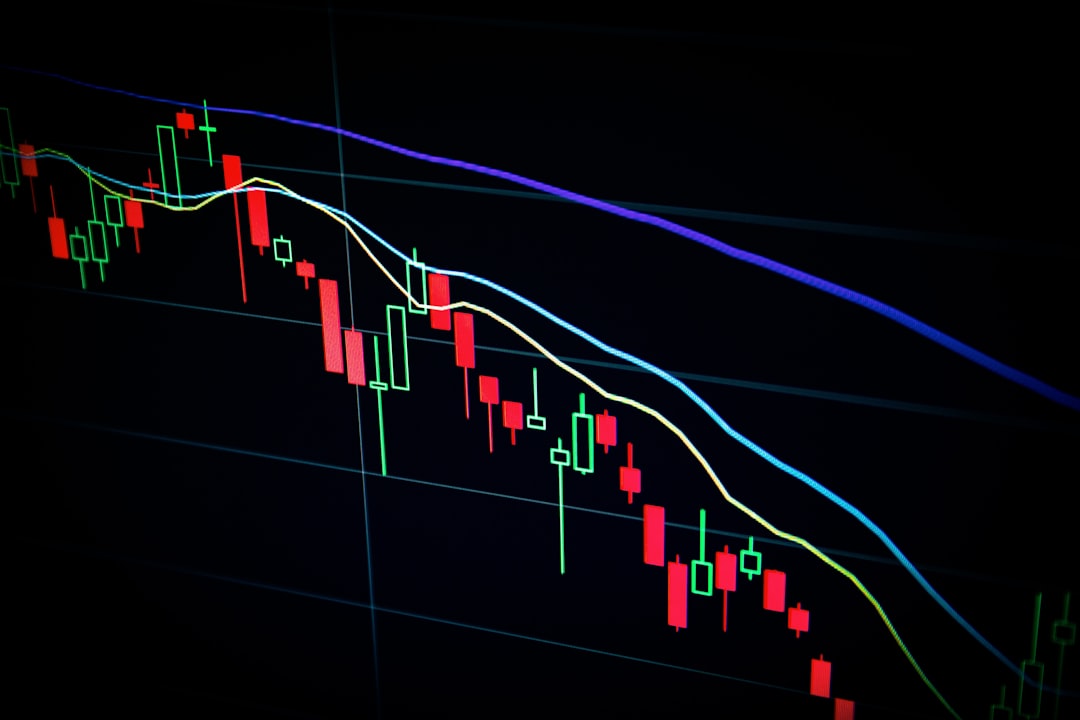
At its core, Price Action Trading is the discipline of making trading decisions based solely on the raw price movement on a chart. It’s about understanding the “story” the market is telling through candlestick patterns, trend lines, and support and resistance levels, without relying on complex, often lagging, technical indicators. Traders believe that all relevant information for future price prediction is already embedded in the price data itself.
This strategy offers several compelling advantages for traders in 2026: clarity and simplicity, real-time assessment, and remarkable adaptability across all timeframes and market conditions. It helps you understand the underlying market sentiment – the fear and greed cycles that drive price movements – providing valuable insights into potential reversals or continuations.
Key Components of Price Action Analysis
| Component | Description | Significance |
|---|---|---|
| Candlestick Patterns | Visual representations of price movement over a specific period (open, high, low, close). | Indicate market sentiment, potential reversals, or continuation. |
| Support & Resistance | Price levels where buying (support) or selling (resistance) pressure is expected to be strong. | Key areas for entry, exit, and stop-loss placement. |
| Trend Lines | Lines drawn on a chart connecting a series of highs or lows to identify the direction of a trend. | Help identify trend strength, potential reversals, and breakout opportunities. |
| Chart Patterns | Recognizable formations on price charts that suggest future price movements (e.g., head and shoulders, double top/bottom). | Provide high-probability trading setups and targets. |
While Price Action is powerful, it’s not a magic bullet. It requires discipline, patience, and consistent practice. Always combine it with robust risk management to protect your capital.
Key Checkpoints: What You Must Remember! 📌
Made it this far? Great! With so much information, it’s easy to forget the essentials. Let’s recap the three most crucial takeaways from our discussion on Price Action Trading.
-
✅
Focus on Raw Price Data:
Price Action Trading prioritizes candlestick patterns, support/resistance, and trend lines over lagging indicators for real-time market insights. -
✅
Adaptability Across Markets & Timeframes:
This strategy is universally applicable, making it effective for various currency pairs and trading styles, from scalping to swing trading. -
✅
Risk Management is Non-Negotiable:
Always implement strict risk management, including stop-losses and appropriate position sizing, to protect your capital and ensure long-term sustainability.
Implementing Price Action: Practical Steps for Traders 👩💼👨💻
So, how do you actually put Price Action into practice? It starts with a clean chart. Remove all unnecessary indicators and focus on the raw price. Your primary tools will be your eyes and your understanding of market structure. Identifying key support and resistance levels is paramount, as these are often where price action signals become most potent.
Next, pay close attention to candlestick patterns forming at these key levels. A “pin bar” at resistance, for example, can signal a strong rejection and potential reversal. Similarly, an “inside bar” can indicate consolidation before a breakout. Combining these patterns with the overall market trend and using multiple timeframe analysis can significantly increase your trade probability.

The USD is expected to face headwinds in 2026 due to anticipated Fed rate cuts. This could create significant trending opportunities in pairs like EUR/USD, GBP/USD, and USD/JPY, making trend-following price action strategies particularly relevant.
Real-World Example: Identifying a Reversal with Price Action 📚
Let’s consider a hypothetical scenario on the EUR/USD pair in early 2026. Imagine the pair has been in a strong uptrend, but is now approaching a significant resistance level that has held firm multiple times in the past. This level is also a round number, adding psychological significance.
Trader Sarah’s Situation
- Currency Pair: EUR/USD
- Overall Trend: Bullish, but approaching strong resistance at 1.1800.
- Timeframe: 4-hour chart
Analysis Process
1) Sarah observes the EUR/USD price pushing into the 1.1800 resistance zone. Instead of breaking through, the price forms a series of “pin bars” with long upper wicks, indicating strong selling pressure at that level.
2) She also notices a bearish engulfing candlestick pattern forming on the 4-hour chart, confirming the sellers’ dominance.
3) Looking at the daily chart, she confirms that the overall bullish momentum is waning, aligning with the bearish signals on the 4-hour chart.
Trading Decision
– Entry: Sarah decides to enter a short position after the close of the bearish engulfing candle, just below the 1.1800 resistance.
– Stop-Loss: Placed just above the high of the pin bar/resistance level to manage risk.
– Take-Profit: Targeted at the next significant support level, identified through previous price action.
This example illustrates how focusing on pure price action, combined with an understanding of market structure, can provide clear entry and exit signals, even in volatile markets. It’s about letting the market tell you what it wants to do, rather than predicting it with complex formulas.
Conclusion: Your Path to Profitable Price Action Trading 📝
The Forex market in 2026 is ripe with opportunity, but it demands adaptability and clarity. Price Action Trading, with its focus on the fundamental dynamics of supply and demand reflected in price, offers a powerful and reliable method to navigate this exciting landscape. By mastering candlestick patterns, support and resistance, and understanding market psychology, you can develop a robust trading edge.
Remember, consistency comes from discipline and continuous learning. Don’t be afraid to practice on demo accounts, refine your strategy, and always prioritize risk management. The journey to becoming a profitable trader is ongoing, but with Price Action as your guide, you’re well-equipped for success. What are your thoughts on Price Action Trading? Let me know in the comments below! 😊
Price Action Trading: Your 2026 Edge
Frequently Asked Questions ❓