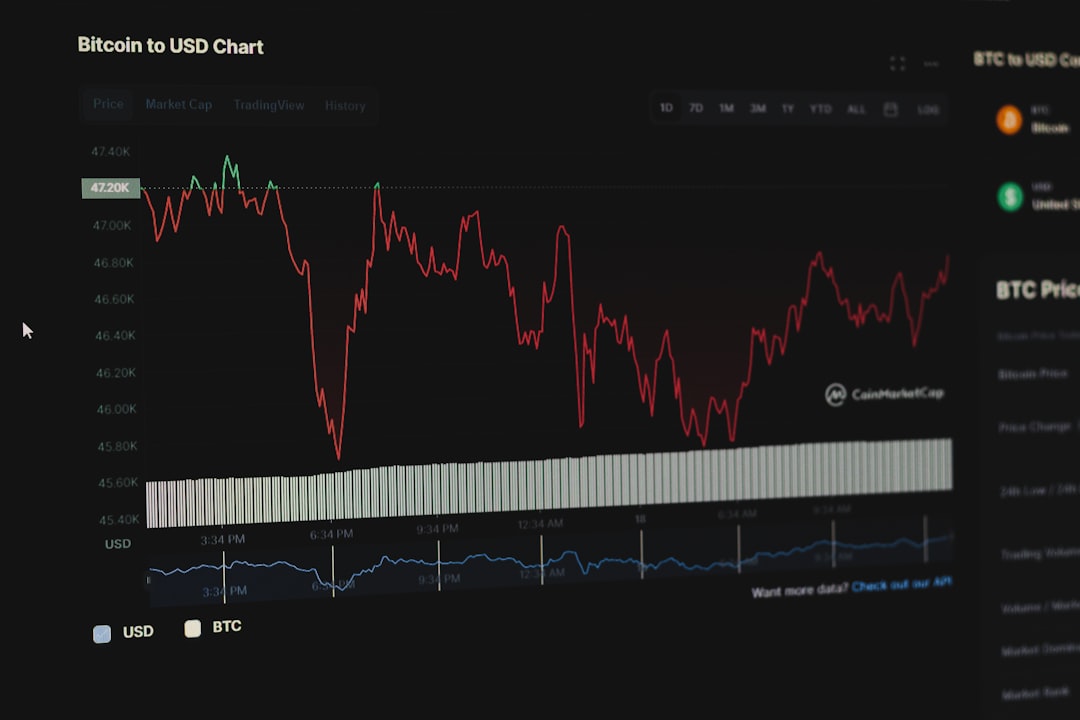
Have you ever felt overwhelmed by the fast-paced world of forex trading, where every second seems to count? Many aspiring traders, myself included, have found themselves in that exact spot. The good news is, there’s a trading style that offers a more measured approach, allowing you to participate in the exciting currency markets without the constant screen time of day trading. I’m talking about FX swing trading – a method that seeks to profit from those “swings” in price that occur over days or weeks. If you’re looking for a way to potentially grow your capital with a flexible schedule, you’ve come to the right place! 😊
What Exactly is FX Swing Trading? 🤔
At its core, swing trading in forex involves holding currency positions for a period longer than a single day but typically shorter than several months – usually ranging from a few days to a few weeks. Unlike day traders who close all their positions by the end of the trading day, swing traders aim to capture gains from “swings” or oscillations within broader market trends. Think of it as riding a wave; you’re not trying to catch every ripple, but rather the larger, more significant movements. This approach combines elements of both technical and fundamental analysis to pinpoint optimal entry and exit points.
For instance, if a currency pair like GBP/USD is in a strong uptrend, a swing trader might wait for a slight dip (a “swing low”) before entering a long position, aiming to profit from the next upward leg of the trend. The beauty of this method lies in its ability to allow traders to participate in the market without needing to constantly monitor charts, making it suitable for individuals with other commitments.
Swing trading is often considered a great starting point for beginners in the forex market. Its slower pace provides more time to analyze market behavior, develop confidence, and avoid impulsive decisions, especially when compared to faster trading styles like scalping.
Why Consider FX Swing Trading? Market Trends & Opportunities 📊
The forex market is the largest and most liquid financial market globally, with average daily turnover reaching an astonishing $9.6 trillion in April 2025, a 28% increase from 2022. This immense liquidity creates continuous opportunities for price fluctuations, which swing traders aim to exploit. The market is constantly evolving, influenced by economic factors, monetary policies, and global developments. For example, in 2026, the forex market continues to be shaped by stricter regulations, smarter technology like AI, and changing trader behavior.
One of the primary advantages of swing trading is its flexibility and lower time commitment compared to day trading. You don’t need to be glued to your screen all day; instead, you can analyze charts during specific periods, like at the end of the day, and let your trades play out over several days. This makes it an ideal option for busy individuals balancing work or other commitments.

Key Advantages of FX Swing Trading
| Category | Description | Benefit to Traders |
|---|---|---|
| Time Commitment | Less constant monitoring than day trading. | Suitable for busy individuals, more flexibility. |
| Profit Potential | Captures larger price movements over days/weeks. | Potentially significant profits within a relatively short period. |
| Transaction Costs | Fewer trades executed per month. | Lower commission and spread fees compared to day trading. |
| Stress Level | Slower pace, less pressure for split-second decisions. | Can be less stressful and more psychologically manageable. |
Holding positions overnight or over weekends exposes swing traders to market gaps and unexpected news events that can occur when markets are closed. Always employ robust risk management to mitigate this.
Key Checkpoints: Remember These Essentials! 📌
You’ve made it this far! To ensure these crucial concepts stick, let’s quickly recap the most important takeaways from FX swing trading. Keep these three points firmly in mind as you embark on your trading journey.
-
✅
Swing Trading is Medium-Term:
It’s a balance between day trading and long-term investing, focusing on price movements that unfold over several days to weeks. This offers flexibility for busy schedules. -
✅
Technical Analysis is Your Guide:
Successful swing trading heavily relies on interpreting charts, patterns, and indicators to identify trends, momentum, and potential reversals. -
✅
Risk Management is Non-Negotiable:
Always define your risk tolerance, use stop-loss orders, and manage position sizes to protect your capital from unexpected market moves.
Implementing Your Swing Trading Strategy 👩💼👨💻
Effective swing trading involves a blend of technical analysis, strategic entry and exit points, and disciplined risk management. You’ll typically use medium-term timeframes like 4-hour, daily, and weekly charts to identify major trends and more precise trade setups.
Key Technical Indicators for Swing Trading:
- Moving Averages (MA): These smooth out price action, helping you identify trend direction. A common strategy is to look for crossovers between short-term (e.g., 20-period) and long-term (e.g., 50-period) moving averages to signal momentum shifts.
- Relative Strength Index (RSI): A momentum oscillator that indicates whether a market is overbought or oversold, suggesting potential reversals. Readings above 70 typically indicate overbought conditions, while below 30 suggest oversold.
- MACD (Moving Average Convergence Divergence): This indicator reveals the relationship between two moving averages of a security’s price, helping to identify trend changes and momentum.
- Bollinger Bands: These volatility-based bands expand and contract with market conditions, helping identify overextended price action and potential future volatility.
- Support and Resistance: Identifying these key price levels helps traders determine where price is likely to pause or reverse, crucial for setting entry and exit points.
Combining several indicators can provide stronger confirmation for your trades, rather than relying on a single signal.
Always identify the overall trend using a daily chart first. Trading in the direction of the prevailing trend significantly increases your chances of success. If prices are making higher highs and higher lows, it’s an uptrend; lower highs and lower lows indicate a downtrend.
Real-World Example: A Swing Trade Scenario 📚
Let’s walk through a hypothetical swing trade to illustrate how these concepts come together. Imagine it’s late 2025, and you’re eyeing the EUR/USD currency pair. Global growth divergence and central bank policies are creating significant volatility, perfect for swing opportunities.
Trader Sarah’s Situation
- Observation: Sarah identifies a clear uptrend on the daily EUR/USD chart. However, the price has recently pulled back to a key support level, coinciding with the 50-period Exponential Moving Average (EMA). The RSI is also showing signs of moving out of the oversold region.
- Risk Tolerance: Sarah adheres to the 1% rule, risking no more than 1% of her $10,000 trading account on any single trade, meaning a maximum loss of $100.
Trade Execution & Management
1) Entry: Sarah enters a long position (buys EUR/USD) at 1.0850, anticipating the uptrend to resume from the support level.
2) Stop-Loss: To protect her capital, she places a stop-loss order just below the recent swing low and the 50-EMA, at 1.0800. This limits her potential loss to 50 pips.
3) Take-Profit: Based on previous resistance levels and the overall trend, she sets her take-profit target at 1.0950, aiming for a 100-pip gain.
4) Risk/Reward Ratio: Her trade has a 1:2 risk/reward ratio (50 pips risk for 100 pips reward), which is generally considered favorable.
Final Result
– After three days, EUR/USD rallies, hitting Sarah’s take-profit target at 1.0950.
– Sarah secures a profit of 100 pips, demonstrating the potential of capturing market swings. This translates to a $200 profit for a standard lot trade (assuming $2 per pip for EUR/USD), effectively doubling her risked capital.
This example highlights the importance of combining technical analysis with a clear risk management plan. By identifying a trend, waiting for a pullback to a strong support level, and setting predefined entry, stop-loss, and take-profit points, Sarah was able to execute a disciplined and potentially profitable swing trade.
Wrapping Up: Your Path to Profitable FX Trading 📝
FX swing trading offers a compelling pathway for traders seeking to profit from the dynamic currency markets with a manageable time commitment. It’s a strategic approach that prioritizes patience, disciplined analysis, and robust risk management over rapid-fire decisions. By understanding market trends, utilizing key technical indicators, and adhering to a well-defined trading plan, you can position yourself for consistent growth and long-term success.
Remember, while the potential for profit is real, trading always involves risk. Continuous learning, practice (perhaps with a demo account first), and emotional discipline are your greatest assets. If you’re ready to dive deeper or have any questions about starting your swing trading journey, don’t hesitate to ask in the comments below! Happy trading! 😊