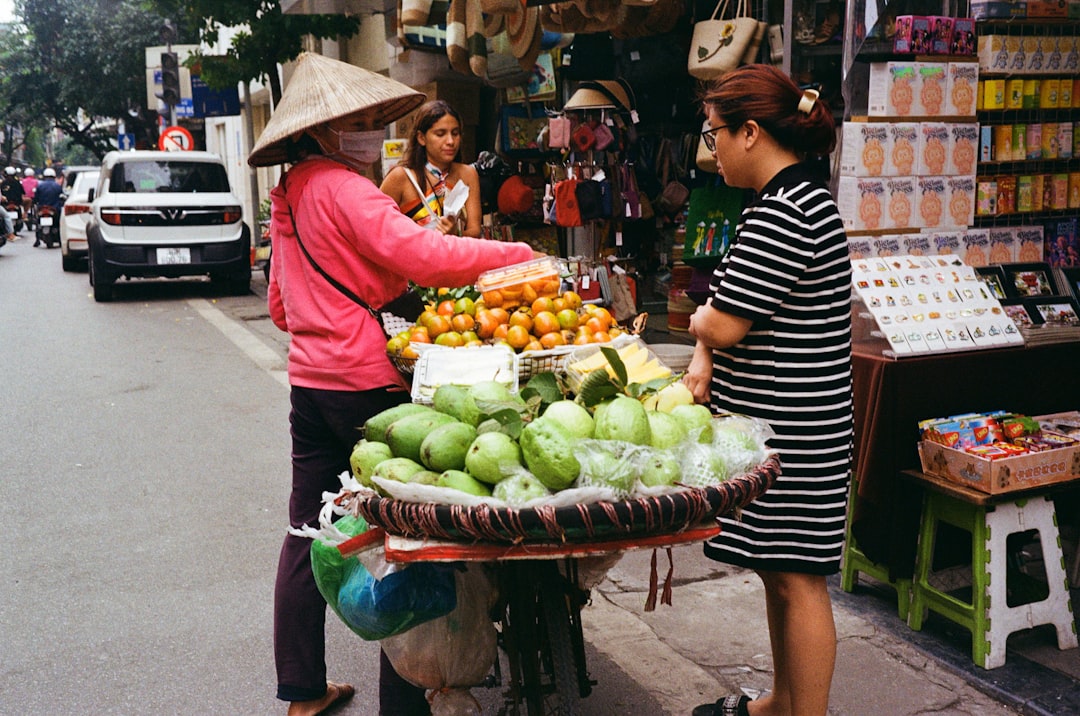
Have you ever planned an entire trip around what you’re going to eat? If you’re nodding your head, you’re not alone! I know I have. Food isn’t just sustenance; it’s a gateway to culture, history, and incredible human connection. And honestly, for many of us, it’s the most memorable part of any journey. In 2026, culinary tourism isn’t just a trend; it’s a full-blown phenomenon, transforming how we explore the world, one delicious bite at a time. Ready to embark on a gastronomic adventure? Let’s dig in! 😊
The Culinary Travel Boom: More Than Just a Meal 🤔
It’s official: food has taken center stage in the travel world. Recent reports highlight that between 70% and 75% of tourists now identify as culinary travelers, making food and drink experiences a primary motivation for their trips. This isn’t just about Michelin-starred dining anymore; it’s about exploring vibrant street food scenes, discovering local markets, and even grocery shopping to truly immerse oneself in the everyday flavors that define a destination. The desire for authentic connections and unique experiences is driving this shift, with travelers prioritizing emotional depth and cultural engagement through their palates.
The global culinary tourism market is experiencing exponential growth. Valued at an impressive USD 1,248.2 billion in 2025, it’s projected to soar to USD 4,258.3 billion by 2034, expanding at a remarkable CAGR of 14.17%. This surge is fueled by a combination of factors, including the rising global middle class, increased disposable income in regions like Asia and Latin America, and a strong post-pandemic preference for experiential spending.
Domestic culinary tourism currently dominates the market, accounting for a significant 72.9% share in 2025. This indicates a strong trend of travelers exploring local food scenes within their own countries.
Top Global Culinary Destinations in 2026 📊
So, where should your taste buds take you this year? Travel And Tour World (TTW) recently unveiled its Top 50 Food Destinations Around the World for 2026, highlighting countries that are truly shaping the future of global gastronomy. These destinations are celebrated for their culinary heritage, regional diversity, street food, fine dining, local ingredients, and commitment to authenticity and sustainability.
Unsurprisingly, Mexico clinched the top spot, lauded for its vibrant blend of indigenous traditions and Spanish heritage. Italy and Spain followed closely, reaffirming their enduring influence on global cuisine. But beyond these perennial favorites, several other regions and emerging cities are making waves.
2026’s Must-Visit Culinary Hotspots
| Destination | Signature Culinary Experience | Key Highlights |
|---|---|---|
| Mexico (Mexico City) | Tacos al Pastor, Mole, vibrant street food, innovative fine dining | Rich indigenous and Spanish culinary heritage. |
| Italy (Tuscany, Puglia, Venice) | Farm-to-table, regional pasta, truffles, wine, fresh seafood | Timeless culinary legacy, slow food culture. |
| Spain (Barcelona, San Sebastián) | Tapas, pintxos, paella, seafood, Michelin-starred experiences | Mediterranean ingredients, culinary innovation. |
| USA (NYC, NOLA, SF, Miami) | Diverse regional cuisines, soul food, Tex-Mex, Cuban flavors | Unmatched mix of regional traditions, immigrant influences. |
| Japan (Kyoto, Tokyo) | Kaiseki, sushi, ramen, tea culture, deeply seasonal cuisine | Renowned for precision and cultural depth in dining. |
While popular destinations offer incredible food, remember that “anti-tourism” is a growing trend. Consider exploring quieter, more authentic destinations during off-peak seasons to avoid crowds and discover hidden gems.
Key Checkpoints: Don’t Miss These Culinary Insights! 📌
Followed along so far? It’s easy to get lost in all the delicious details, so let’s quickly recap the most important takeaways. Keep these three points in mind as you plan your next food-centric adventure.
-
✅
Culinary Tourism is Booming!
Food is no longer just a side activity; it’s the main event for 70-75% of modern travelers, driving significant market growth globally. -
✅
Mexico, Italy, and Spain Lead the Pack.
These countries consistently rank as top culinary destinations, offering rich heritage and diverse gastronomic experiences. -
✅
Authenticity and Experience are Key.
Travelers are seeking deeper cultural connections through local markets, street food, and immersive dining experiences, valuing authenticity over typical tourist traps.
Smart Travel Tips for the Modern Foodie 👩💼👨💻
Being a culinary traveler in 2026 means being savvy and strategic. Here are some tips to enhance your food-focused adventures. Embrace technology and local insights to uncover the best culinary experiences.

- Leverage AI for Personalized Itineraries: AI tools are increasingly being used to create personalized culinary itineraries, analyzing reviews, local trends, and your past dining preferences. This can curate a truly tailored gastronomic journey.
- Go Beyond Fine Dining: While Michelin stars are fantastic, don’t overlook the heart of local cuisine: street food and markets. These offer authentic flavors and a direct connection to the local culture.
- Seek Out Local Food Tours: Food tour bookings are up, and for good reason! They offer an excellent way to dive deep into a local food scene, guided by experts who know where to find the best bites and stories.
- Explore Grocery Stores: For a truly immersive experience, visit local supermarkets and bodegas. This budget-friendly approach allows you to discover everyday snacks and ingredients that reveal much about a country’s culinary identity.
- Learn Basic Food Phrases: A few simple phrases in the local language can open doors to warmer interactions and better recommendations from vendors and restaurant staff.
When researching, look beyond traditional SEO. With AI-powered search, optimize your queries for “Answer Engine Optimization” (AEO) to get curated recommendations tailored to your specific needs, like “best boutique hotel in New Orleans with a rooftop pool under $300” for foodies.
Embracing Sustainable Gastronomy: A Responsible Palate 📚
As travelers become more conscious, sustainable gastronomy is a key trend for 2026. This means making food and drink choices with environmental, social, and economic impacts in mind. It’s about supporting local communities, minimizing your footprint, and savoring flavors that truly reflect their origin.
- Prioritize Local and Seasonal: Opt for restaurants that proudly feature fresh, seasonal, and locally sourced ingredients. This reduces food miles and supports local farmers and producers. Many establishments now highlight this on their menus or websites.
- Reduce Food Waste: Be mindful of portion sizes and avoid over-ordering. If possible, inquire about a restaurant’s waste reduction efforts.
- Seek Out Certifications: Look for certifications like Marine Stewardship Council (MSC) or Fair Trade when choosing seafood or other products, indicating responsible sourcing.
- Embrace Plant-Based Options: Incorporating vegan or vegetarian meals into your travel diet is one of the most sustainable choices you can make. Websites like HappyCow can help you find plant-based options globally.
- Engage with the Community: Dining with local hosts or taking cooking classes offers a deeper cultural exchange and supports the local economy directly.
Case Study: Rouen, France – A Sustainable Culinary Gem
- Situation: Rouen, recently awarded UNESCO Creative City of Gastronomy status, is a rising star in sustainable culinary tourism.
- Approach: The city hosts chef-guided countryside walks where participants forage for wild ingredients before communal cooking. Public food festivals celebrate Norman dairy excellence and contemporary restaurants reimagine traditions with modern, local techniques.
The Impact
– Authentic Experiences: Visitors gain a profound understanding of local terroir and culinary traditions.
– Community Support: Direct support for local producers and chefs, fostering a vibrant, sustainable food ecosystem.
By making conscious choices, we can all contribute to a more sustainable and enriching culinary travel experience, ensuring these incredible food cultures thrive for generations to come.
Wrapping Up: Savor Every Moment 📝
From the bustling street food stalls of Mexico City to the serene farm-to-table experiences in Tuscany, the world of culinary travel in 2026 is richer and more exciting than ever. It’s a journey that satisfies not just our hunger, but our souls, connecting us to diverse cultures and unforgettable stories.
So, pack your bags, prepare your palate, and get ready to explore. Remember to seek authenticity, embrace sustainability, and let your curiosity guide you to new flavors and experiences. What’s your dream culinary destination for 2026? Let me know in the comments below! Happy travels and happy eating! 😊