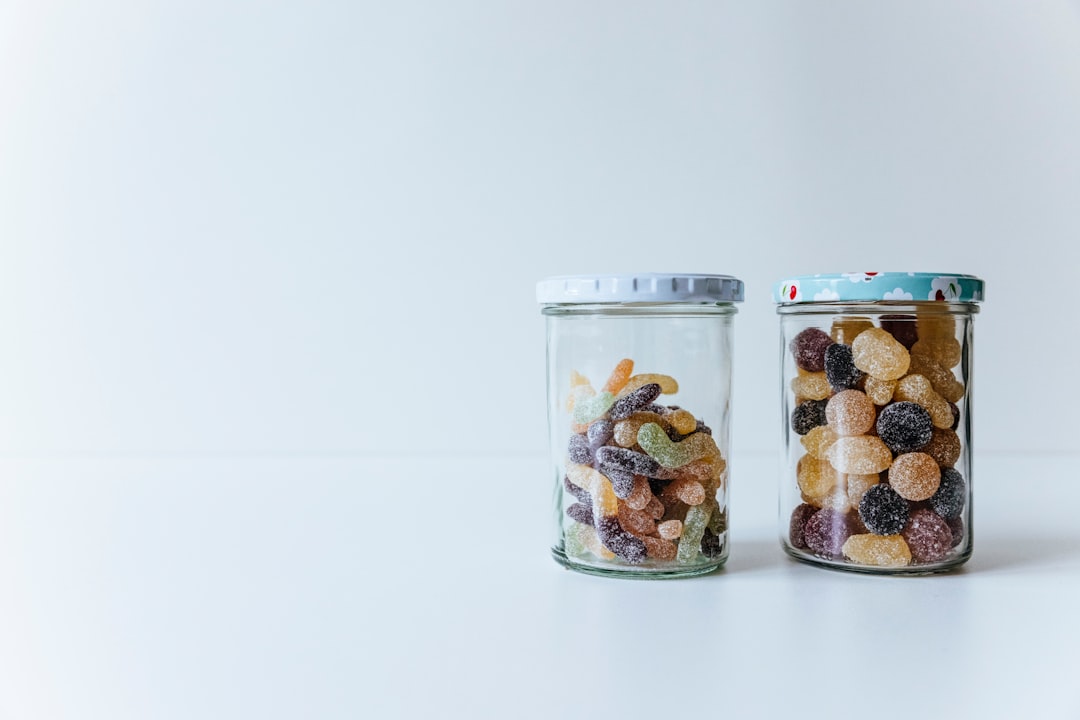
Have you ever looked at your overflowing trash can and felt a pang of guilt? You’re not alone! In a world increasingly aware of its environmental footprint, the idea of a zero-waste lifestyle has captured the hearts and minds of many. It’s not about being perfect, but about making conscious choices that significantly reduce the amount of waste we send to landfills. If you’re curious about how to start making a real difference, you’ve come to the right place. Let’s dive into making your life more sustainable, one step at a time! 😊
What Exactly is “Zero Waste”? 🤔
At its core, “zero waste” is a philosophy that encourages us to rethink how we consume and discard resources. It’s a movement aimed at minimizing waste by refusing, reducing, reusing, recycling, and composting, with the ultimate goal of sending nothing to landfills, incinerators, or oceans. It’s about creating a circular economy where products are designed for longevity, repairability, and recyclability, rather than our current linear “take-make-waste” system.
While achieving absolute zero waste is nearly impossible in today’s consumer-driven economy, the movement focuses on significantly reducing the amount of waste that ends up polluting our planet. It’s about mindful consumption and finding creative ways to repurpose and recycle items instead of simply discarding them.
The zero-waste system creates 200 times more jobs than linear landfill and waste incineration systems, highlighting its significant socio-economic benefits.
The Growing Momentum: Latest Trends & Statistics 📊
The zero-waste movement is gaining significant traction, driven by increasing environmental awareness and consumer demand for sustainable products. Here’s a look at some recent trends and statistics:
- The global zero-waste lifestyle products market was valued at approximately USD 2.19 billion in 2023 and is projected to reach USD 4.68 billion by 2032, growing at a Compound Annual Growth Rate (CAGR) of 8.8% from 2024–2032.
- In 2023, EU citizens generated 79.7 million metric tons of plastic packaging waste, marking the first decline since 2013, attributed to regulations like the Single-Use Plastics Directive.
- Consumer interest in reusable and refillable products continues to drive the zero-waste movement, pushing brands to innovate and expand their offerings.
- Around 69% of consumers globally admit to supporting zero-waste policies, and 70% are more likely to buy from brands that provide sustainable packaging.
- The global zero-waste packaging market is estimated to reach $2,490.6 million between 2023 and 2033, growing at a CAGR of 8.8%. This market is projected to reach around USD 724.30 billion by 2034, growing at a CAGR of 9.62% from 2025 to 2034.
- North America is expected to show superior performance in the zero-waste lifestyle products market, with the US and Canada driving increased growth due to consumer interest and government support.
The Environmental Imperative
The urgency for zero-waste practices is underscored by alarming environmental facts. If no actions are taken, municipal solid waste generation is projected to reach 3.8 billion tons annually by 2050. Packaging remains the leading contributor to plastic pollution, with around 300 million tons of plastic produced each year, half of which is for single use. Adopting a zero-waste strategy can save 5 to 7% of the world’s GDP.
While recycling is important, it should be considered a last resort. Many recyclable materials still end up in landfills or are downcycled, and plastic, in particular, often does not fully recycle. Focus on refusing, reducing, and reusing first!
The 5 Rs of Zero Waste: Your Action Plan 📌
The foundation of a zero-waste lifestyle lies in the “5 Rs,” a hierarchy of actions to guide your consumption and disposal habits. These principles, popularized by Bea Johnson, help us focus on our habits and consumption patterns.
-
✅
Refuse: Say No to What You Don’t Need.
This is the first and most impactful step. Prevent waste from entering your home by refusing single-use items like plastic bags, straws, cups, and promotional flyers. -
✅
Reduce: Minimize What You Do Need.
Be mindful of your purchasing decisions, let go of unused household items, and avoid impulse buys. Reducing saves money, time, and mental clutter. -
✅
Reuse: Extend the Life of Products.
Opt for reusable alternatives (e.g., stainless steel water bottles, fabric bags) and repair or repurpose items instead of replacing them. Buying second-hand is also a great way to reuse. -
✅
Recycle: What You Cannot Refuse, Reduce, or Reuse.
This is the fourth R, and it’s crucial to understand its place. Recycling should be your last option, as not all materials are truly recyclable, and many still end up in landfills. -
✅
Rot: Compost the Rest.
For organic waste like food scraps and yard trimmings, composting is key. This turns organic material into nutrient-rich compost, reducing landfill waste and improving soil health.
Overcoming Common Zero Waste Challenges 👩💼👨💻
Transitioning to a zero-waste lifestyle can present its own set of challenges, but with practical solutions, you can overcome them. It’s about progress, not perfection.
- Finding Suitable Alternatives: Many everyday items are single-use. Start by identifying the most wasteful areas of your life and seek sustainable alternatives. For example, swap disposable cutlery for compostable options or invest in reusable kitchen utensils.
- Breaking Old Habits: The convenience of single-use products is hard to shake. Introduce changes gradually, perhaps by swapping one item per week.
- Managing Skepticism and External Pressures: Friends and family might not immediately understand or support your efforts. Educate and influence by example, sharing your knowledge and experiences.
- Cost Concerns: While some zero-waste swaps might seem expensive upfront, many actually save money in the long run. For instance, using a bidet can save $100-$170 on toilet paper annually, and making homemade cleaners can save $20-$54 per year.
- Time Commitment: Making things from scratch or shopping at bulk stores can feel time-consuming. Start small, focus on areas where you can make the biggest impact, and remember that every small change contributes to a larger impact.
Many people find that the majority of their waste comes from the kitchen, particularly food scraps and food packaging. Focus your initial efforts there for significant impact!
Real-Life Example: A Family’s Zero Waste Journey 📚
Let’s look at how a real family embraced zero waste and the practical steps they took to reduce their impact.
The “Pare Down Home” Family’s Situation
- Starting Point: A family of four, initially producing a black garbage bag of waste per week.
- Goal: To send nothing to landfill and significantly reduce recycling.
Key Changes Implemented
1) Mindful Grocery Shopping: Switched from conventional grocery stores (too much packaging) to a produce market for unpackaged fruits and vegetables. They also visited a butcher for fresh, unpackaged meat and eggs.
2) Bulk Buying: Shopped at a bulk store once a month for items like pasta, nuts, spices, and oils, bringing their own containers.
3) Homemade Products: Started making their own products, such as toothpaste, and simplified personal care routines (e.g., one bulk shampoo for the whole family).
4) Refusing Single-Use Items: Actively refused single-use plastics, especially when unprepared, acknowledging that occasional “fails” are part of the journey.
Final Result
– Significantly Reduced Waste: After three years, their household waste was drastically reduced, fitting into a small “garbage jar” for non-compostable, non-recyclable items.
– Increased Gratitude: An unexpected benefit was an increased level of gratitude for everyday things, moving away from an “on-demand” consumer society mindset.
This example shows that with consistent effort and a focus on the 5 Rs, significant waste reduction is achievable, even for families. It’s about making conscious choices and adapting your habits over time.

Wrapping Up: Your Zero Waste Journey Awaits! 📝
Embarking on a zero-waste journey is a powerful way to contribute to a more sustainable planet. Remember, it’s not about perfection, but about making consistent, mindful choices that reduce your environmental impact. Every small step, from refusing a plastic straw to composting your food scraps, adds up to a significant difference.
We’ve explored the core principles, the exciting growth of the zero-waste movement, and practical ways to overcome challenges. Now it’s your turn to start or continue your journey! What’s one zero-waste swap you’re excited to try this week? Share your thoughts and questions in the comments below – let’s build a greener future together! 😊
Zero Waste Quick Start Summary
Frequently Asked Questions ❓