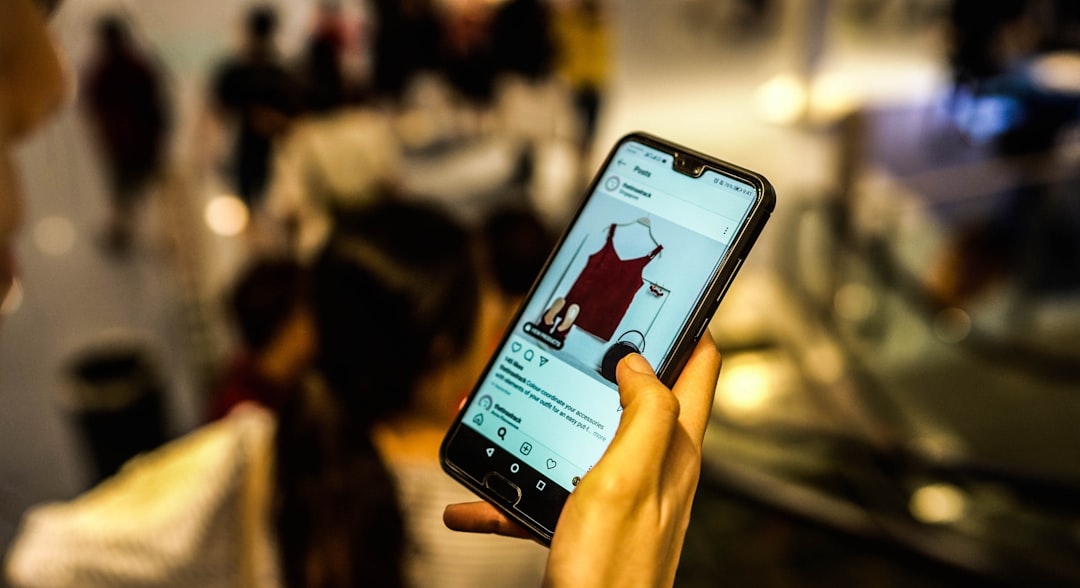
It feels like everyone is trying to become an influencer these days, doesn’t it? The digital landscape is buzzing with creators, and it’s easy to feel overwhelmed by the sheer volume of content out there. But what if I told you that in 2026, the path to becoming a successful influencer isn’t just about chasing trends or racking up millions of followers? It’s about something deeper: genuine connection, strategic content, and smart use of emerging tools. I’ve seen countless creators struggle, but I’ve also witnessed incredible journeys of individuals who built authentic, impactful brands. This guide is here to help you navigate the evolving world of social media and turn your passion into influence. Let’s dive in! 😊
Understanding the Modern Influencer Landscape 🤔
The influencer marketing industry is booming, projected to hit $33 billion in global spending in 2025, a significant jump from under $10 billion five years ago. This growth isn’t slowing down, but the rules of the game are definitely changing. In 2026, brands are moving beyond simply chasing follower counts and one-off posts; they’re looking for genuine impact and measurable results. This means your approach to becoming an influencer needs to be more strategic than ever.
A key trend dominating the space is the undeniable power of authenticity. Consumers are increasingly skeptical of sponsored content, with 69% trusting influencer recommendations only when they feel real. Without authenticity, influencer content performs no better than a traditional ad. This means sharing personal stories, experiences, and insights that truly resonate with your audience is paramount.
In 2025, 76% of Americans follow influencers, and half of them have made at least one purchase based on an influencer recommendation, with an average total spend of $372 per person. This highlights the immense purchasing power that a trusted influencer can wield.
Choosing Your Niche and Platform Strategy 📊
Before you even think about posting, you need to define your niche and choose the right platforms. Your personal brand should reflect your unique values, interests, and passions. Start by asking yourself: What are you genuinely passionate about? What unique value can you offer to an audience? Who is your target audience, and what are they looking for?
Each platform has its own strengths and audience demographics:
Platform Overview and Engagement (2026 Benchmarks)
| Platform | Key Trends | Average Engagement (Nano-Influencers) | Monetization Paths (Examples) |
|---|---|---|---|
| TikTok | Dominates short-form video, high engagement, shoppable video adoption. Growing focus on longer videos (up to 60 mins). | 7.2% – 12% | Creator Rewards Program, LIVE Gifts, Affiliate Marketing, Brand Deals. |
| Strong for visual content, Reels, Stories. Still a dominant platform for influencer engagement (34% of followers). | 3.5% – 8% | Subscriptions, Reels Ads, Badges, Instagram Shop, Affiliate Marketing, Brand Partnerships. | |
| YouTube | Long-form video stronghold, growing Shorts. High trust in creators (4 in 10 Millennials trust YouTubers more than friends). | 2% – 5% (Small channels) | YouTube Partner Program (ads), Channel Memberships, Super Chat, Affiliate Marketing, Brand Deals. |
| Still a massive user base (246 million Americans in Jan 2025). Strong for community building and long-form content. | ~2% (Facebook Reels) | Content Monetization Program (invited), In-Stream Ads, Stars, Fan Subscriptions, Affiliate Marketing. |
While macro-influencers (1M+ followers) have vast reach, nano-influencers (1K-10K followers) often achieve significantly higher engagement rates (6.8-9.2% compared to 1.5-2.9% for macro-influencers). This means you don’t need a massive following to start making an impact and earning income.
Key Checkpoints: Remember These! 📌
You’ve made it this far! Since this can be a lot to take in, let’s quickly recap the most important takeaways. Please keep these three points in mind.
-
✅
Authenticity is Your Superpower:
In a crowded digital space, being genuine, transparent, and true to your values builds trust and drives engagement more effectively than any polished ad. -
✅
Strategic Platform & Niche Selection:
Don’t try to be everywhere at once. Focus on platforms where your niche thrives and where you can consistently deliver valuable content. -
✅
Embrace AI, But Don’t Replace Yourself:
AI tools can streamline content creation and analysis, but remember that human creativity, emotional connection, and authentic voice are irreplaceable.
Content Creation: The Heart of Influence 👩💼👨💻
Once you’ve defined your niche and chosen your platforms, it’s time to create compelling content. The format and quality of your content can make or break your journey as an influencer. A good content strategy balances informative and personal content, as relatability and authenticity are why people trust influencers.

One of the biggest shifts we’re seeing in 2025-2026 is the comeback of long-form content. While short-form video still dominates for quick engagement, audiences are showing fatigue with constant “snackable” content and are craving deeper, more intentional storytelling. Platforms like TikTok are even pushing 10-minute uploads, and YouTube continues to invest in creator-led series. Long-form content allows you to build credibility, context, and emotional connection that short-form often can’t.
However, short-form video remains crucial for initial reach and engagement, especially with younger audiences. Videos under 90 seconds often achieve impressive viewer retention rates. The key is to balance both: use short-form for immediate impact and discoverability, and long-form for building deeper relationships and authority.
AI tools are rapidly transforming content creation. Tools like ChatGPT can assist with scripting and brainstorming, CapCut for short-form video editing, Descript for podcasts and long-form video, and Canva for visual design. These tools can automate repetitive tasks, allowing you to focus on creativity and audience engagement.
Building Your Community and Engagement 📚
Influence isn’t just about broadcasting; it’s about building a community. Engage with your audience by responding to comments, questions, and criticism thoughtfully. Timely engagement shows you care and helps nurture long-term trust. Authentic influencers tend to engage more with their followers, leading to higher conversion rates and stronger brand advocacy.
Networking with other influencers is also a fantastic way to expand your reach and build valuable relationships. Collaborate on projects, share insights, and learn from each other. This can lead to cross-promotion and exposure to new audiences.
Case Study: “EcoWarrior Emily”
- Situation: Emily started her journey on Instagram and YouTube in early 2025, passionate about sustainable living and eco-friendly products. She had a small but dedicated following (around 8,000 on Instagram, 2,000 on YouTube).
- Strategy: Emily focused on authentic product reviews, DIY sustainable living tips (long-form YouTube videos), and engaging Q&A sessions on Instagram Stories. She actively responded to every comment and DM, building strong personal connections. She also used AI tools like Canva for quick visual content and ChatGPT for brainstorming video script outlines.
Growth & Results (by late 2026)
1) Instagram: Grew to 35,000 followers with an average engagement rate of 6.5%. Partnered with 3 eco-conscious brands for long-term collaborations.
2) YouTube: Reached 15,000 subscribers, with average watch times of 50-60% on her 8-12 minute videos. Successfully monetized through the YouTube Partner Program and affiliate links.
– Key Takeaway: Emily’s success wasn’t about instant virality but consistent, authentic engagement within her niche, leveraging both long-form and short-form content, and smart use of AI for efficiency.
This case highlights that focusing on genuine connections and providing consistent value within your niche can lead to sustainable growth and monetization, even without a massive starting audience.
Monetization Strategies for Influencers 📝
The good news is, you don’t need millions of followers to start earning money. Nano-influencers (1K-10K followers) are highly valued by brands for their high engagement and authenticity. In 2026, marketers are increasingly investing in performance-based influencer marketing, where you earn based on sales or conversions you drive.
Here are some key monetization strategies:
- Platform Monetization Programs: YouTube Partner Program, TikTok Creator Rewards, Facebook Content Monetization, and Instagram’s various features (subscriptions, Reels ads, badges) allow you to earn directly from the platforms based on views, engagement, or ad revenue. Each has specific eligibility requirements.
- Affiliate Marketing: This is a great starting point, as it doesn’t require any minimum follower count. You earn a commission when your audience purchases products through your unique links.
- Brand Partnerships & Sponsored Content: As you grow, brands will approach you for collaborations. Long-term partnerships are increasingly preferred by marketers over one-off posts. Having a professional media kit ready is crucial to showcase your stats and audience insights.
- Selling Your Own Products/Services: Many influencers create and sell their own merchandise, digital products (e-books, courses), or offer consulting services. This builds a diversified income stream.