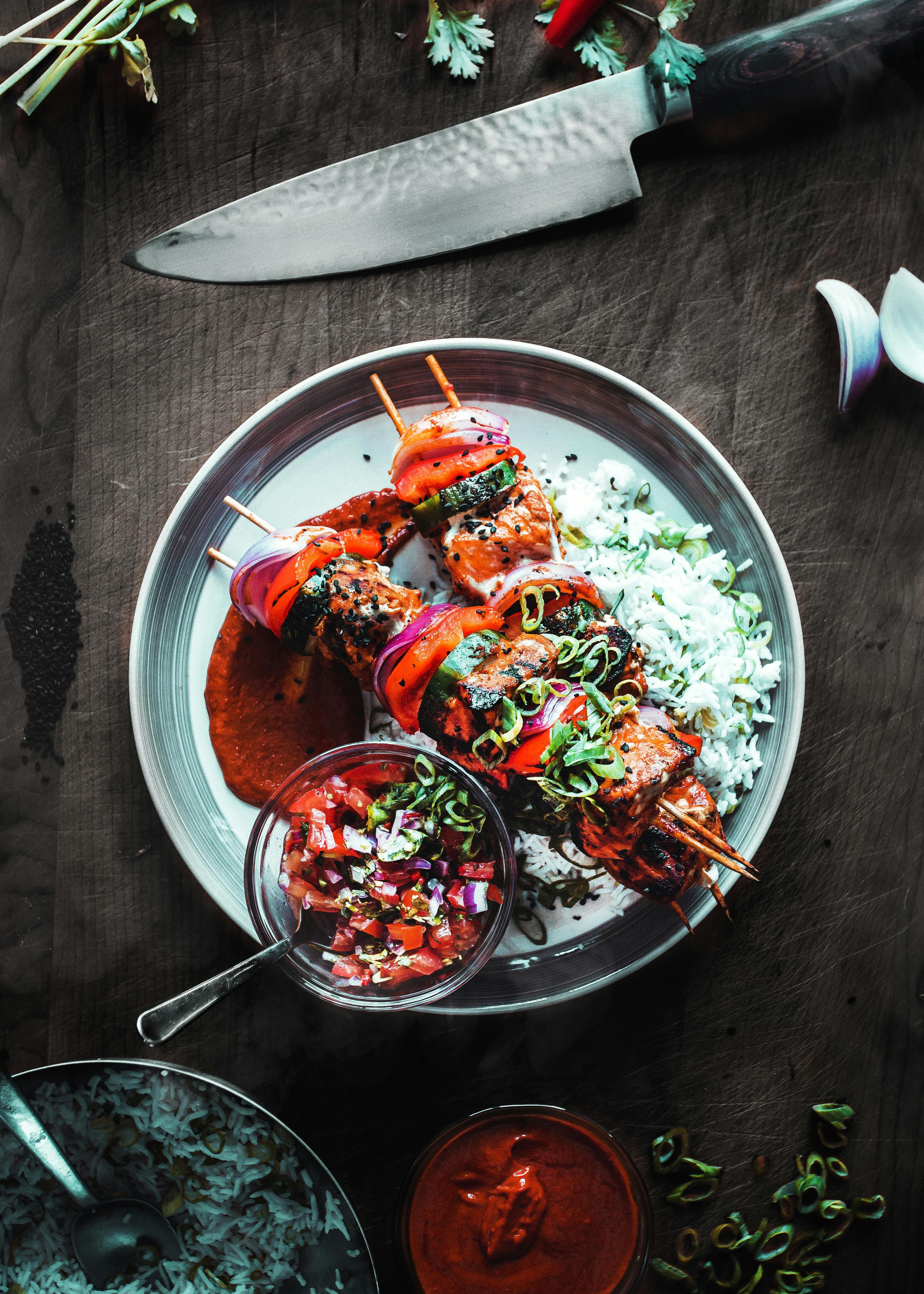
Have you ever planned a trip purely around what you’re going to eat? If so, you’re definitely not alone! Culinary tourism is booming, transforming how we experience new cultures and connect with destinations. As a passionate traveler and foodie myself, I’ve seen firsthand how a single dish can tell a story, evoke history, and create memories that last a lifetime. Today, we’re diving into the most exciting global food destinations and sharing my top tips to make your next gastronomic journey truly epic. Let’s get those taste buds tingling! 😊
Top Global Culinary Destinations for 2025-2026 🌎
The world is a smorgasbord of flavors, and in 2025 and 2026, certain cities are shining brighter than ever for food enthusiasts. These are the places where tradition meets innovation, and every meal is an experience.
- Tokyo, Japan: The Capital of Culinary Precision. Tokyo continues to be a global leader for gourmets, boasting an incredible number of Michelin-starred restaurants. From exquisite sushi and steaming bowls of ramen to innovative omakase experiences, Tokyo’s chefs masterfully blend tradition with modern techniques. Don’t miss the bustling Tsukiji Outer Market for fresh seafood or the intimate izakayas in Ginza for authentic, high-quality meals.
- Mexico City, Mexico: Tradition Meets Innovation. This vibrant capital is redefining heritage flavors, blending authentic street food with world-class fine dining. You can savor iconic tacos al pastor and elotes from street vendors, or indulge in haute gastronomy at renowned restaurants like Pujol and Quintonil, which champion indigenous ingredients.
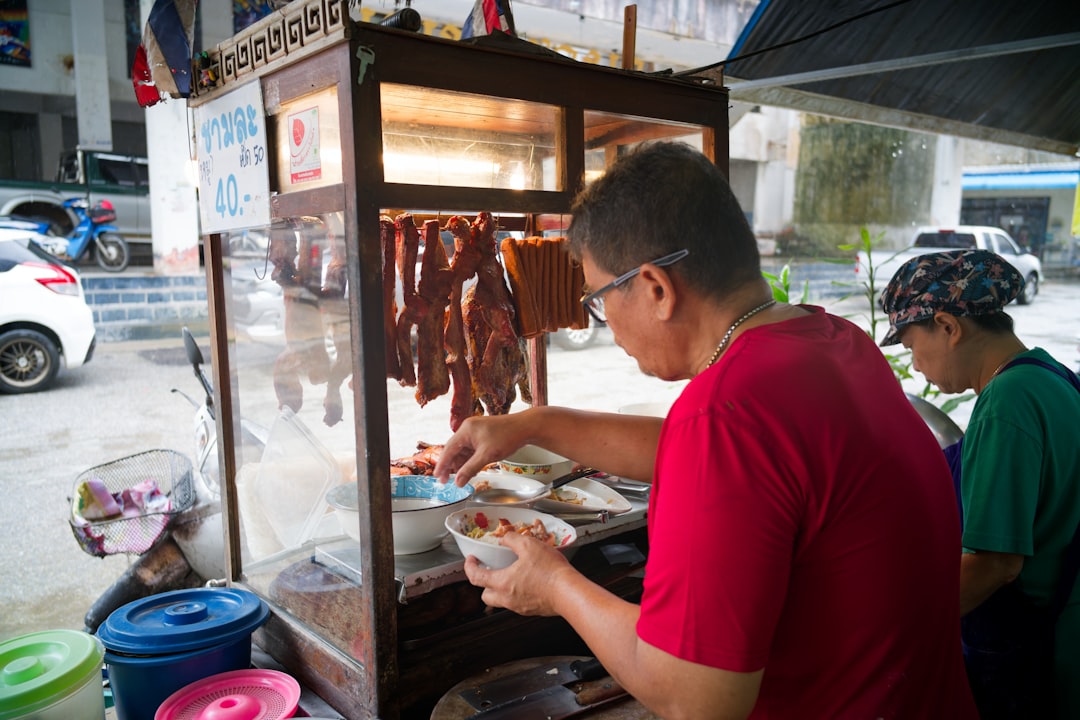
- Bangkok, Thailand: The Street Food Capital. Bangkok’s energetic food scene is truly unmatched. Whether you’re exploring humble street stalls or Michelin-rated eateries, the city offers layers of flavor in every dish. In 2025, Bangkok’s street food culture is thriving, with must-try dishes like Pad Thai, Som Tam (green papaya salad), and Mango Sticky Rice. Head to Chinatown (Yaowarat Road) after sunset for an unforgettable street food adventure.
- Barcelona, Spain: A Mediterranean Flavor Explosion. Barcelona’s culinary landscape is a love letter to Mediterranean flavors, combining Catalan traditions with avant-garde techniques. Tapas bars are everywhere, and markets like La Boqueria burst with fresh produce and seafood. The city continues to attract foodies with its emphasis on sustainable ingredients and creative gastronomy.
- Lima, Peru: The Heart of South American Cuisine. Lima remains a dominant force in the global culinary scene, recognized as the gastronomic capital of Latin America. Its chefs are masters of fusion, blending indigenous ingredients with modern techniques. The city’s coastal location ensures the freshest seafood for its world-famous ceviche. Don’t miss Central, often ranked among the world’s best restaurants, for a tasting journey through Peru’s diverse ecosystems.
- Osaka, Japan: The Nation’s Kitchen. Known as “Tenka no Daidokoro” (the Nation’s Kitchen), Osaka offers playful, bold flavors in casual settings. With the 2025 World Expo on the horizon, it’s the perfect time to explore its acclaimed dining scene, including mouthwatering street foods like takoyaki (octopus-filled dough balls) and okonomiyaki (savory pancakes).
The global culinary tourism market is experiencing rapid growth, projected to reach over $1 trillion in 2025. Travelers are increasingly prioritizing authentic, sustainable, and immersive dining experiences, with a significant focus on hyper-local and heritage cuisine.
Essential Tips for a Seamless Foodie Adventure ✈️
Embarking on a food-focused trip is exciting, but a little planning goes a long way to ensure a smooth and delicious experience. Here are my top tips:
- Research, Research, Research: Before you go, dive into local food blogs, culinary guides, and even social media to discover must-try dishes, reputable restaurants, and hidden gems. Look for places with good food safety ratings or positive reviews from other travelers.
- Embrace Local Markets and Street Food: This is often the most authentic and affordable way to experience a destination’s true flavors. Look for vendors with high customer turnover (long lines of locals) and those who cook food fresh and hot to order.
- Communicate Dietary Needs: If you have allergies or dietary restrictions, learn key phrases in the local language or carry a translation card. Many popular foodie destinations like Bangkok, Barcelona, and Lima are increasingly catering to plant-based diets.
- Stay Hydrated (Safely!): In many regions, tap water is not safe to drink. Always opt for sealed bottled water, even for brushing your teeth. Avoid ice cubes and fountain drinks unless you’re certain they’re made with purified water.
Food Travel Checklist: Plan Your Perfect Culinary Escape
| Category | Action Item | Notes |
|---|---|---|
| Research | Identify local dishes, top restaurants, and food tours. | Check reviews for food safety. |
| Budget | Allocate funds for fine dining, street food, and cooking classes. | Street food is often budget-friendly. |
| Health & Safety | Pack hand sanitizer, research water safety, avoid raw foods. | “Boil it, Cook it, Peel it, or Forget it.” |
| Cultural Immersion | Learn basic food-related phrases, observe local dining etiquette. | Engage with local vendors and chefs. |
When traveling internationally, especially in regions with questionable sanitation, the CDC advises caution with raw or undercooked meat, seafood, eggs, unpasteurized dairy, and unpeeled fruits and vegetables. Always opt for thoroughly cooked, steaming hot meals to minimize risks.
Key Checkpoints: Don’t Miss These Culinary Cornerstones! 📌
You’ve come this far, and I know there’s a lot to digest! So, let’s quickly recap the most important takeaways for your next food-focused adventure. Keep these three things in mind, and you’ll be set for success.
-
✅
Embrace Local Flavors:
The best culinary experiences come from diving deep into local markets and street food scenes, where authentic flavors and cultural stories truly come alive. -
✅
Prioritize Food Safety:
Always be mindful of water and food hygiene, especially with street food. Look for high turnover and freshly cooked dishes to stay healthy. -
✅
Travel Sustainably:
Support local businesses, choose seasonal ingredients, and minimize waste to make your foodie adventures responsible and impactful.
Sustainable Sips and Bites: Traveling Responsibly 🌿
As food tourism grows, so does our responsibility to travel mindfully. Sustainable and ethical gastronomy journeys are a major trend for 2025, with travelers prioritizing experiences that benefit local communities and the environment.
- Choose Local and Seasonal: Opt for dishes made with ingredients sourced from nearby farms and markets. This reduces transportation emissions and supports local economies.
- Reduce Food Waste: Be mindful of portion sizes and avoid over-ordering. Many establishments are adopting zero-waste practices, and you can contribute by finishing your plate or asking for smaller portions.
- Support Ethical Sourcing: Look for restaurants that highlight their sourcing practices and environmental commitments. This includes farm-to-table establishments and those that support local farmers and fishermen fairly.
- Bring Reusables: Carry your own reusable water bottle, coffee cup, and even utensils to cut down on single-use plastics, especially when enjoying street food.
- Consider Plant-Based Options: Tourism can accelerate issues like overfishing. Choosing vegetarian or vegan options helps reduce pressure on marine life and can be a delicious way to explore local produce.
For a deeper dive into local cuisine and culture, consider booking a cooking class or a guided food tour. These experiences often take you to local markets, introduce you to traditional techniques, and connect you with local chefs and families.
Practical Example: A Gastronomic Journey Through Ho Chi Minh City 🍜
Let’s imagine a trip to Ho Chi Minh City, Vietnam – a true street food paradise. My goal is to experience authentic Vietnamese flavors while staying safe and supporting local businesses.
The Traveler’s Situation
- Destination: Ho Chi Minh City, Vietnam.
- Goal: Explore local cuisine, especially street food, and learn about Vietnamese culinary traditions.
- Concerns: Food safety and finding authentic, non-touristy spots.
The Culinary Process
1) Pre-trip Research: I’d research iconic dishes like Pho, Banh Mi, and Bún chả, and identify highly-rated street food areas like District 1 and local markets. I’d also look for recommended cooking classes.
2) On-the-Ground Exploration: Upon arrival, I’d seek out street vendors with visible cooking processes and long lines of locals, indicating freshness and popularity. I’d carry hand sanitizer and use bottled water exclusively.
3) Immersive Learning: I’d book a Vietnamese cooking class that includes a market visit. This allows me to learn about local ingredients, preparation techniques, and cultural significance directly from a local chef.
The Delicious Outcome
– Authentic Flavors: I’d savor freshly made Pho from a bustling street stall and learn to craft my own Banh Mi, gaining a deeper appreciation for the cuisine.
– Cultural Connection: Engaging with vendors and chefs would provide invaluable insights into Vietnamese culture, far beyond what a typical tourist might experience.
This example highlights how a blend of careful planning, an adventurous spirit, and a focus on local experiences can lead to a truly enriching and safe food travel journey. It’s about being open to new tastes while being smart about your choices.
Conclusion: Your Next Flavorful Adventure Awaits! 📝
As we’ve explored, the world of culinary travel in 2025-2026 is more exciting and diverse than ever. From the Michelin-starred restaurants of Tokyo to the vibrant street food of Bangkok, and the sustainable practices gaining traction globally, there’s an endless array of delicious experiences waiting for you.
Remember, food is more than just sustenance; it’s a gateway to understanding cultures, connecting with people, and creating unforgettable memories. So, pack your bags, bring your appetite, and embark on your next flavorful adventure with confidence and curiosity. If you have any questions or your own favorite food travel tips, please share them in the comments below! Happy travels and happy eating! 😊
Your Culinary Travel Cheat Sheet
Frequently Asked Questions ❓