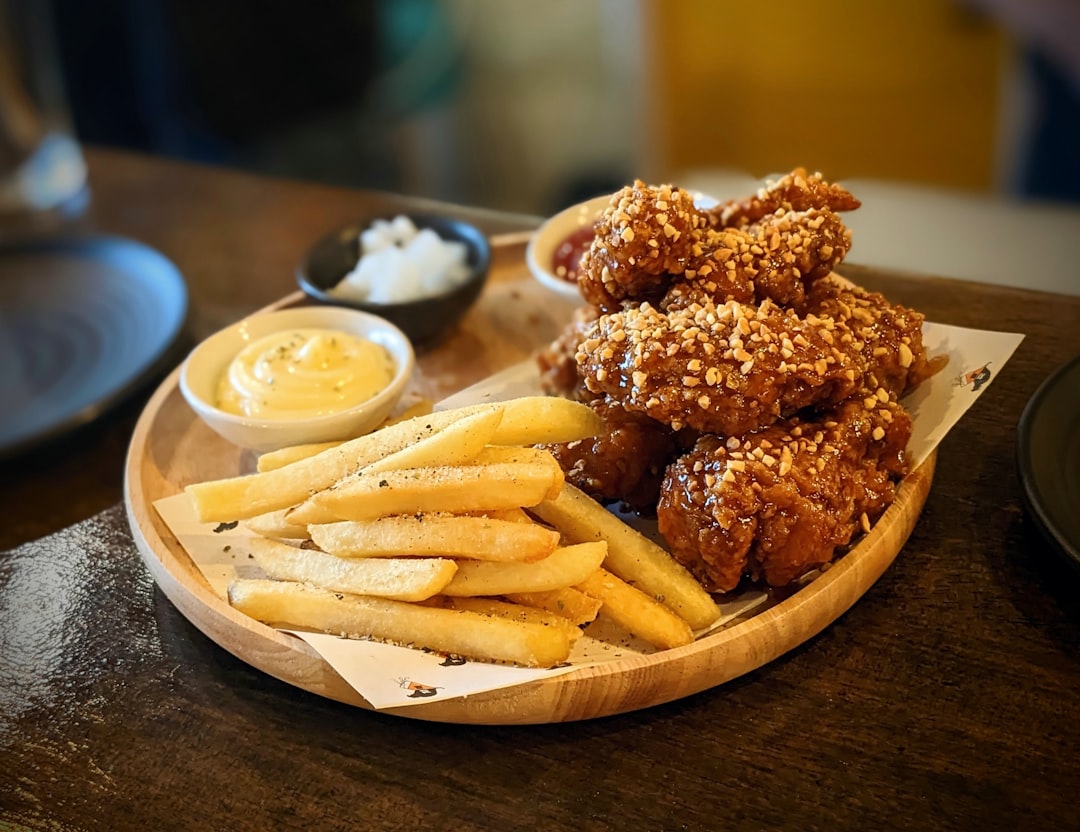
Have you ever found yourself dreaming of a plate of authentic pasta in Rome, or perhaps the vibrant flavors of a Bangkok street food stall? I know I have! Food and travel are intrinsically linked, offering us a unique window into cultures and communities. In 2026, culinary tourism is more vibrant than ever, with travelers seeking out authentic, immersive gastronomic experiences. If you’re ready to embark on a delicious adventure, you’ve come to the right place! This guide will equip you with the latest trends, top destinations, and essential tips to make your next food-focused trip unforgettable. Let’s dive in! 😊
Top Global Culinary Destinations: Where to Eat Your Way Around the World in 2026 🤔
The world’s culinary landscape is constantly evolving, but some destinations consistently stand out for their incredible food scenes. For 2026, we’re seeing a continued appreciation for rich culinary traditions alongside a growing interest in innovative and sustainable dining. Here are some of the top spots to consider for your next food-centric getaway:
- Japan (Tokyo, Kyoto, Osaka): Still a reigning champion for foodies, Japan offers everything from exquisite sushi and ramen to intricate Kaiseki dinners and vibrant street food. The dedication to quality and presentation is unparalleled.
- Italy (Rome, Florence, Naples): A timeless classic, Italy’s regional cuisines are a treasure trove of flavors. Think fresh pasta, authentic pizza, rich risottos, and delectable gelato. Every region offers a distinct culinary identity.
- Mexico (Mexico City, Oaxaca): Mexican cuisine, with its UNESCO Intangible Cultural Heritage status, is a must-experience. From the complex moles of Oaxaca to the bustling street tacos of Mexico City, it’s a fiesta for your taste buds.
- Thailand (Bangkok, Chiang Mai): Known for its aromatic and spicy dishes, Thai food is a global favorite. Street food culture is king here, offering an incredible variety of curries, noodles, and fresh seafood at unbeatable prices.
- France (Paris, Lyon): The birthplace of haute cuisine, France continues to impress with its pastries, cheeses, wines, and classic dishes. Lyon, in particular, is often hailed as the gastronomic capital of France.

Beyond these perennial favorites, emerging destinations like Peru (Lima) for its innovative Nikkei cuisine and Vietnam (Hanoi, Ho Chi Minh City) for its fresh, flavorful street food are also gaining significant traction among culinary travelers.
Culinary tourism is projected to continue its strong growth in 2026, with an increasing number of travelers prioritizing food and drink experiences as a primary motivation for their trips. This trend highlights a shift towards more experiential and immersive travel.
Essential Food Travel Tips for the Savvy Gourmand 📊
Embarking on a food-focused trip requires a little planning to maximize your delicious discoveries. Here are my top tips to ensure your culinary adventure is a resounding success:
- Research, Research, Research: Before you go, dive deep into the local cuisine. What are the must-try dishes? Are there any famous food markets or culinary districts? Look up local food blogs and trusted travel guides.
- Embrace Street Food: Often the heart and soul of a local food scene, street food offers incredible flavors and cultural insights at an affordable price. Don’t be afraid to try it, but always look for stalls with high turnover and visible cooking.
- Take a Cooking Class: This is one of the best ways to truly understand a cuisine. You’ll learn about ingredients, techniques, and often get to visit local markets as part of the experience.
- Learn Basic Phrases: Knowing how to say “hello,” “thank you,” and “delicious” in the local language can go a long way. Even better, learn phrases for common dietary restrictions or allergies.
- Be Open-Minded: Some of the best culinary experiences come from stepping outside your comfort zone. Try new ingredients and dishes, even if they seem unfamiliar.
- Book Ahead for Popular Spots: If there’s a highly-rated restaurant or a specific culinary experience you’re set on, make reservations well in advance, especially during peak travel seasons.
Comparing Culinary Experiences
| Category | Description | Best For | Considerations |
|---|---|---|---|
| Street Food Tours | Guided exploration of local markets and stalls. | Authentic flavors, budget-friendly, cultural immersion. | Hygiene, language barrier (if unguided). |
| Cooking Classes | Hands-on learning to prepare traditional dishes. | Skill development, deeper cultural understanding. | Time commitment, cost. |
| Fine Dining | High-end restaurants, often Michelin-starred. | Exceptional cuisine, unique dining experience. | High cost, strict dress codes, advance reservations. |
| Food Festivals | Seasonal events celebrating local produce and dishes. | Vibrant atmosphere, wide variety of local foods. | Crowds, specific dates, weather dependent. |
Always check for food allergies and dietary restrictions when trying new foods, especially in foreign countries. It’s also wise to carry a small supply of stomach remedies, just in case! Food poisoning can unfortunately happen, so be prepared.
Key Checkpoints: Don’t Forget These! 📌
You’ve made it this far! With so much information, it’s easy to forget the essentials. Here are three crucial takeaways to keep in mind for your next food adventure.
-
✅
Prioritize Authentic Local Experiences
The true essence of food travel lies in discovering local flavors and traditions. Seek out markets, street vendors, and family-run eateries. -
✅
Research and Plan, But Stay Flexible
A little preparation goes a long way, but leave room for spontaneous discoveries and unexpected culinary delights. -
✅
Embrace New Flavors and Cultures with an Open Mind
Be adventurous! The most memorable food experiences often come from trying something completely new and immersing yourself in the local culture.
Beyond the Plate: Emerging Food Travel Experiences 👩💼👨💻
Food travel in 2026 isn’t just about what’s on your plate; it’s also about how it got there and the impact it has. Sustainable and ethical culinary tourism is a rapidly growing trend. Travelers are increasingly seeking experiences that connect them with the source of their food and support local communities.
- Farm-to-Table Experiences: Visiting local farms, participating in harvests, and enjoying meals prepared with freshly picked ingredients offers a deep connection to the land and its produce.
- Foraging and Wild Food Tours: Discovering edible plants and mushrooms with expert guides provides a unique, adventurous, and hyper-local culinary experience.
- Food Waste Reduction Initiatives: Some restaurants and organizations are offering tours or special menus focused on minimizing food waste, showcasing creative ways to utilize every part of an ingredient.
- Supporting Indigenous Cuisines: Seeking out and supporting restaurants and initiatives that preserve and celebrate indigenous culinary traditions helps maintain cultural heritage and provides truly unique flavors.
Opt for restaurants and vendors that source locally and ethically to support sustainable tourism and local economies. Look for certifications or ask about their sourcing practices.
Real-World Example: A Week of Culinary Bliss in Bangkok, Thailand 📚
Let’s imagine a couple, Sarah and Tom, planning a 7-day food-focused trip to Bangkok in early 2026. They’re keen to experience both the famous street food and some unique dining experiences.
Sarah & Tom’s Culinary Situation
- Goal: Experience diverse Thai cuisine, from street food to fine dining, and learn about local cooking.
- Duration: 7 days, 6 nights in Bangkok.
Their Culinary Journey
1) Days 1-2: Street Food Immersion. They started with a guided street food tour in Bangkok’s Chinatown (Yaowarat Road), sampling everything from oyster omelets to mango sticky rice. The next day, they explored the Chatuchak Weekend Market, trying various snacks and local dishes.
2) Days 3-4: Hands-On Learning & Local Markets. Sarah and Tom booked a half-day Thai cooking class, which included a visit to a local fresh market to buy ingredients. They learned to prepare Pad Thai, Green Curry, and Tom Yum Goong. They also took a longtail boat to a floating market for a unique dining experience.
3) Days 5-7: Elevated Dining & Neighborhood Exploration. They indulged in a Michelin-starred Thai restaurant for a special evening. The remaining days were spent exploring local cafes in trendy neighborhoods like Thonglor and Ari, and trying different regional Thai dishes at authentic local eateries.
Final Outcome
– Diverse Flavors: They experienced the full spectrum of Thai cuisine, from humble street food to sophisticated fine dining.
– Cultural Connection: The cooking class and market visits provided a deeper understanding of Thai culture and ingredients, far beyond just eating.
Sarah and Tom’s trip perfectly illustrates how a well-planned food travel itinerary, combined with an open mind, can lead to an incredibly rich and memorable experience. They didn’t just eat; they learned, explored, and connected with the heart of Thai gastronomy.
Wrapping Up: Your Next Delicious Adventure Awaits! 📝
As we wrap up this delicious journey, remember that food travel is more than just eating; it’s about connecting with people, understanding traditions, and creating lasting memories. The world is a vast, flavorful place, and 2026 is the perfect year to explore it, one bite at a time. Whether you’re planning a grand tour of culinary capitals or a focused trip to explore a single region’s delicacies, the tips and destinations shared here will set you on the right path.
So, what are you waiting for? Start planning your next gastronomic adventure today! If you have any questions or your own favorite food travel tips, please share them in the comments below! 😊