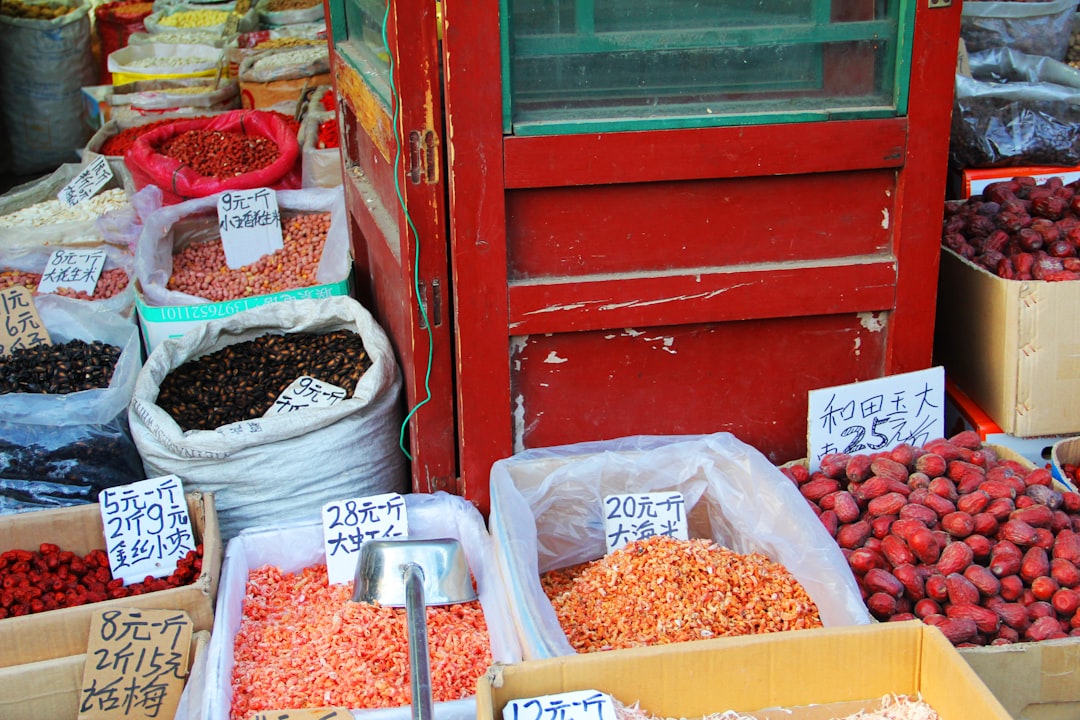
Have you ever planned an entire trip around a single dish? Or perhaps found yourself dreaming of bustling street food markets and Michelin-starred marvels? If so, you’re not alone! Food tourism has exploded, transforming how we experience the world. It’s more than just eating; it’s a deep dive into culture, history, and local life. As we navigate 2025, travelers are seeking authentic, immersive culinary experiences more than ever before. Let’s embark on a flavorful journey to discover the top global foodie destinations and equip you with the best travel tips for your next gastronomic escapade! 😊
The Rise of Culinary Tourism: Trends & Statistics for 2025 🤔
Culinary tourism, also known as food or gastronomy tourism, is no longer a niche market; it’s a driving force in global travel. Travelers are increasingly motivated by the pursuit of authentic, regional, and culturally significant food and beverage experiences. This trend is set to accelerate, with the global culinary tourism market projected to grow from USD 1.17 billion in 2025 to USD 3.76 billion by 2032, exhibiting a compound annual growth rate (CAGR) of 18.12%.
Several factors are fueling this growth. There’s a heightened focus on experiential travel, where travelers want to engage deeply with a destination’s heritage and traditions through its gastronomic identity. Social media and food-centric content also play a huge role, inspiring wanderlust and showcasing unique dining experiences.
By 2025, nearly 50% of travelers are expected to book restaurant reservations even before booking their flights, highlighting the central role food plays in travel planning.
Top Culinary Destinations to Savor in 2025 📊
From bustling street food scenes to refined fine dining, 2025 promises an array of incredible destinations for food lovers. Here are some of the top spots that are capturing global attention and redefining culinary travel:
- Mexico City, Mexico: A vibrant culinary capital, Mexico City is celebrated for its fusion of traditional flavors and innovative dishes. It’s a paradise for street food enthusiasts and boasts world-class haute gastronomy with Michelin-starred restaurants like Pujol and Quintonil.
- Tokyo & Kyoto, Japan: Japan continues to be a precision-driven culinary powerhouse. Tokyo has the most Michelin stars of any city, offering everything from inventive ramen to multi-course kaiseki meals. Kyoto, with its ancient traditions, is renowned for exquisite sushi and delicate tofu dishes.
- Bangkok, Thailand: A street food lover’s paradise, Bangkok offers an explosion of sweet, sour, salty, and spicy flavors. From Pad Thai to green curry, its bustling markets and street stalls provide an unforgettable culinary adventure.
- Bologna, Italy: Known as “La Grassa” (the fat one), Bologna is a haven for food lovers, famous for rich pasta dishes like tagliatelle al ragù and savory cured meats. Sicily, named European Region of Gastronomy 2025, is also a must-visit for its sustainable approach to agriculture and traditional foods.
- Lima, Peru: A rising star, Lima boasts a fusion of Peruvian and international flavors. Innovative dishes like ceviche and lomo saltado showcase the country’s diverse ingredients and culinary traditions.
- Seoul, South Korea: South Korea’s vibrant second city, Busan, is rapidly emerging as a culinary destination, known for its abundance of fresh seafood and a bustling street food scene.
When planning your trip, consider the unique culinary experiences each region offers. Many destinations are also focusing on sustainable food practices, which is a growing trend for conscious travelers.
Culinary Hotspots: A Quick Comparison
| Destination | Signature Cuisine | Unique Experience | Key Trend |
|---|---|---|---|
| Mexico City | Mexican Street Food & Fine Dining | Mercado de San Juan, Michelin-starred restaurants | Heritage flavors, indigenous ingredients |
| Tokyo | Sushi, Ramen, Kaiseki | Tsukiji Outer Market, traditional tea ceremonies | Precision, innovation, respect for tradition |
| Bangkok | Thai Street Food | Yaowarat Night Market, cooking classes | Vibrant flavors, authentic local experiences |
| Bologna | Italian Pasta & Cured Meats | Mercato di Mezzo, traditional trattorias | Rich, hearty flavors, gastronomic celebrations |
While exploring new cuisines, always be mindful of food safety. Research reputable eateries, especially for street food, and consider travel insurance that covers medical emergencies.
Key Checkpoints: Don’t Forget These! 📌
Made it this far? Great! With so much to digest (pun intended!), let’s quickly recap the most crucial takeaways. Keep these three points in mind for your next culinary adventure:
-
✅
Embrace Authenticity:
The biggest trend in 2025 travel is seeking genuine, local experiences. Prioritize hyper-local cuisine and heritage dishes to truly connect with a culture. -
✅
Plan for Food First:
Many travelers are booking restaurant reservations before flights. Integrate food experiences into your itinerary early for the best culinary adventures. -
✅
Think Sustainably:
Support local farmers, opt for plant-based meals, and reduce waste. Sustainable food choices enhance your trip and benefit the planet.
Essential Food Travel Tips for the Modern Explorer 👩💼👨💻
Now that you know where to go, let’s talk about how to make the most of your foodie travels. These tips will help you navigate new culinary landscapes like a seasoned pro:
- Do Your Research (But Stay Flexible!): Look up local specialties, famous eateries, and food markets before you go. However, leave room for spontaneity and local recommendations. Some of the best discoveries happen unexpectedly!
- Embrace Local Markets & Street Food: These are often the heart of a destination’s food scene. You’ll find fresh ingredients, authentic flavors, and a vibrant atmosphere. Don’t be afraid to try new things!
- Consider Food Tours & Cooking Classes: Joining a food tour led by a local guide can offer deep insights into culinary traditions. Cooking classes provide hands-on engagement, allowing you to learn traditional techniques and recreate dishes back home.
- Learn Basic Phrases: A few simple phrases like “hello,” “thank you,” and “delicious” in the local language can go a long way in enhancing your interactions and showing respect.
- Be Mindful of Dietary Needs: If you have allergies or dietary restrictions, learn how to communicate them in the local language. Researching plant-based options beforehand can also be helpful, as many cultures have rich traditions of plant-based cuisine.
- Pack Smart for Sustainability: Bring reusable containers, water bottles, and utensils to minimize single-use plastic waste, especially when enjoying street food.
Ask locals for their favorite hidden gems! They often know the best, most authentic, and sometimes most affordable places to eat that aren’t in guidebooks.
Real-World Example: A Sustainable Street Food Adventure in Ho Chi Minh City 📚
Let’s imagine planning a food-focused trip to Ho Chi Minh City, Vietnam, a destination celebrated for its light, fresh, and vibrant flavors, and a growing focus on sustainable practices.
The Foodie’s Situation
- Goal: Experience authentic Vietnamese street food while minimizing environmental impact.
- Duration: 5 days in Ho Chi Minh City.
Planning & Execution
1) Research & Accommodation: Before arriving, research local food blogs and sustainable eateries in Ho Chi Minh City. Choose accommodation near a vibrant market like Ben Thanh Market for easy access to fresh produce and local vendors.
2) Food Tours & Cooking Class: Book a street food tour on day one to get an overview of the local scene and learn about popular dishes like Bánh mì and Phở. On day three, join a cooking class focusing on Vietnamese cuisine, which often includes a market visit to source ingredients.
3) Sustainable Choices: Carry a reusable water bottle and collapsible food containers. When ordering street food, politely ask vendors to use your containers to reduce plastic waste. Seek out stalls that use washable plates and cutlery. Opt for plant-based versions of dishes like Gỏi cuốn (fresh spring rolls) or Bún chả giò chay (vegetarian noodle salad).
4) Local Immersion: Spend an afternoon exploring a local wet market, observing the ingredients and interacting with vendors. Try local beverages like Vietnamese iced coffee (Cà phê sữa đá) or fresh coconut water.
Final Results
– Rich Culinary Experience: Enjoyed a wide array of authentic Vietnamese dishes, from savory Bánh mì to aromatic Phở, and learned to prepare a few favorites.
– Reduced Environmental Footprint: Significantly minimized plastic waste by using reusable items and making conscious dining choices.
This example demonstrates how thoughtful planning and a commitment to sustainable practices can lead to a deeply rewarding and responsible food travel experience. It’s about savoring every moment while also respecting the local environment and culture.

Wrapping Up: Your Next Delicious Journey Awaits! 📝
As you can see, the world of culinary tourism in 2025 is vibrant, diverse, and full of incredible opportunities. From the precision of Japanese cuisine to the fiery flavors of Mexico, and the bustling street food scenes of Southeast Asia, there’s a gastronomic adventure waiting for every palate. By embracing authenticity, planning strategically, and making sustainable choices, you can transform your travels into truly unforgettable foodie experiences.
So, what are you waiting for? Start dreaming, researching, and planning your next delicious journey. The world’s kitchens are calling! If you have any questions or want to share your favorite food travel tips, please leave a comment below! 😊
Culinary Travel Snapshot 2025
Frequently Asked Questions ❓